Hey there, ATV enthusiasts! As an ATV engines supplier, I get this question a lot: "How often should I change the oil in an ATV engine?" Well, let's dive right into it and figure out the best oil - change schedule for your beloved ATV.
First off, why is oil change so important? Oil is like the life - blood of your ATV engine. It lubricates all the moving parts, reducing friction and wear. Without proper lubrication, those metal parts would grind against each other, causing overheating and eventually engine failure. It also helps to clean the engine by carrying away dirt, debris, and metal shavings. Over time, the oil breaks down and loses its effectiveness, so regular oil changes are crucial to keep your engine running smoothly.
Now, the frequency of oil changes depends on several factors. One of the most important factors is how you use your ATV. If you're using it for light, occasional rides on well - maintained trails, you might not need to change the oil as often as someone who uses it for heavy - duty work or extreme off - roading.
For light - use ATVs, changing the oil every 100 - 200 hours of operation is usually sufficient. This could be a weekend warrior who takes their ATV out for a few hours on a nice trail once a month. The engine doesn't get too stressed, and the oil doesn't break down as quickly.
On the other hand, if you're using your ATV for more strenuous activities like towing heavy loads, racing, or riding in muddy, dusty conditions, you should change the oil more frequently. In these cases, changing the oil every 50 - 100 hours is a good rule of thumb. The heavy use puts more stress on the engine, and the oil gets contaminated faster with dirt and debris.
Another factor to consider is the type of oil you're using. Synthetic oils generally last longer than conventional oils. Synthetic oils are designed to withstand higher temperatures and offer better protection against wear. If you're using a high - quality synthetic oil, you might be able to extend the oil - change interval a bit. However, even with synthetic oil, you still need to follow the manufacturer's recommendations.
The age of your ATV also plays a role. Newer engines tend to be more efficient and might not require oil changes as often as older engines. As an engine ages, it might develop small leaks or have parts that wear out, which can contaminate the oil more quickly. So, if you have an older ATV, it's a good idea to be a bit more conservative with your oil - change schedule.


Let's talk about some signs that it's time to change the oil. If you notice that the oil level is consistently low, even after topping it off, it could be a sign of a leak or excessive oil consumption. Also, if the oil looks dirty, dark, or has a milky appearance, it's definitely time for a change. A milky appearance could indicate that there's water in the oil, which can cause serious damage to the engine.
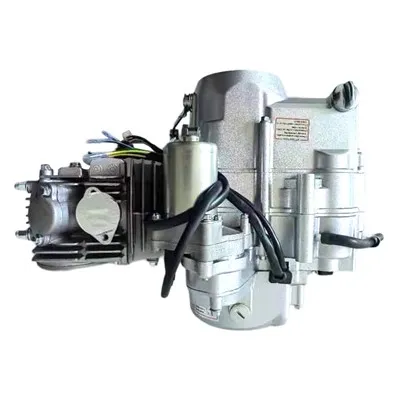
Now, I'd like to introduce some of the great ATV engines we offer. We have the 110cc 125cc Automatic Clutch Engine for ATV. This engine is perfect for those who want an easy - to - operate ATV. It has an automatic clutch, which makes it ideal for beginners or those who prefer a more hassle - free riding experience.
If you need a more powerful engine, check out our Cg150 Cg200 Cg250 Engine with Reverse Four Wheeler. These engines come with a reverse gear, which is super useful when you're in tight spots. They're also built to handle heavy - duty use, so they're great for work or extreme off - roading.
And for those who are into ATV go - karts or need a specific type of engine, we have the 125cc Horizontal Engine with Reverse for ATV Go Kart. This engine is designed to fit perfectly in ATV go - karts and offers great performance.
So, how do you actually change the oil in your ATV? First, make sure the engine is cool. Then, locate the oil drain plug, usually at the bottom of the engine. Place an oil pan under the drain plug and remove it. Let the old oil drain completely. After that, replace the drain plug and refill the engine with the recommended type and amount of oil. It's a good idea to check the oil level with the dipstick to make sure it's at the right level.
In conclusion, there's no one - size - fits - all answer to how often you should change the oil in an ATV engine. It depends on your usage, the type of oil, and the age of your ATV. By following the guidelines I've mentioned and paying attention to the signs, you can keep your ATV engine in top shape.
If you're in the market for a new ATV engine or have any questions about oil changes or our products, don't hesitate to reach out. We're here to help you find the perfect engine for your needs and ensure that you have a great riding experience.
References:
- ATV Engine Maintenance Manuals
- Industry Reports on ATV Engine Longevity and Lubrication