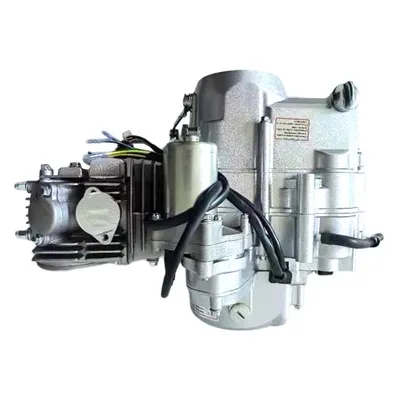
Breaking in a new 50cc clutch is a crucial process that significantly impacts the clutch's performance, durability, and overall riding experience. As a supplier of high - quality 50cc clutches, I understand the importance of the break - in phase and want to share the best practices with you.
Understanding the Break - in Process
The break - in period for a new 50cc clutch is essentially a time when the clutch components gradually adapt to each other. The friction surfaces of the clutch plates need to wear in just enough to create a smooth and consistent contact. This helps the clutch to engage and disengage smoothly, reduces slippage, and maximizes power transfer from the engine to the transmission.
During the manufacturing process, the clutch plates have microscopic imperfections. These imperfections can cause uneven contact and premature wear if not properly addressed during the break - in. A well - executed break - in can also prevent issues such as clutch chatter, which is an annoying vibration when the clutch engages.
Preparing for the Break - in
Before you start the break - in process, it's essential to ensure that the clutch is installed correctly. Check all the connections, make sure the clutch cable is adjusted properly, and that there are no leaks or loose parts. Refer to the manufacturer's instructions for the specific 50cc clutch you have.
It's also a good idea to warm up the engine before starting the break - in. Let the engine run at idle for a few minutes to allow the oil to circulate and reach the proper operating temperature. This helps to ensure that the clutch components are lubricated and ready to work.
The Best Way to Break in a 50cc Clutch
Step 1: Gentle Riding for the First Few Miles
For the first 10 - 20 miles (16 - 32 kilometers), ride the motorcycle gently. Avoid sudden acceleration or hard braking. Use a light throttle and shift gears smoothly. This initial stage allows the clutch plates to start wearing in gradually. During this time, the clutch is under relatively low stress, and the friction surfaces can start to conform to each other.
Step 2: Varying the RPM and Load
After the initial gentle riding, start to vary the engine RPM (revolutions per minute) and the load on the clutch. Alternate between light and moderate acceleration, and shift gears at different RPMs. For example, you can shift up at 3000 - 4000 RPM and down at 2000 - 3000 RPM. This helps to ensure that the clutch plates wear evenly across their entire surface.
It's important not to over - rev the engine during this phase. High RPMs can put too much stress on the clutch, causing excessive wear or even damage. Keep the RPM within a reasonable range for the 50cc engine, usually between 2000 and 6000 RPM.
Step 3: Short Stops and Starts
Perform a series of short stops and starts. This helps the clutch to engage and disengage multiple times, further promoting the wear - in process. When coming to a stop, use the clutch smoothly to disengage the engine from the transmission. When starting again, gradually release the clutch while applying a gentle throttle.
Make sure to give the clutch enough time to cool down between stops and starts. Overheating the clutch can cause the friction material to glaze over, which reduces its effectiveness.
Step 4: Avoiding Heavy Loads
During the break - in period, avoid carrying heavy loads or towing anything. A 50cc engine and clutch are designed for light - duty use, and adding extra weight can put too much stress on the clutch. This can lead to premature wear and may even cause the clutch to fail during the break - in process.
Step 5: Regular Maintenance Checks
Throughout the break - in period, check the clutch regularly. Look for any signs of wear, such as excessive play in the clutch lever or unusual noises when the clutch is engaged or disengaged. If you notice any problems, it's important to address them immediately. You may need to adjust the clutch cable or have the clutch inspected by a professional.
Importance of Using Quality Parts
Using high - quality parts during the break - in process is essential. Inferior clutch plates or other components can wear out quickly, even if the break - in is done correctly. As a 50cc clutch supplier, I can provide you with top - notch products that are designed to withstand the rigors of the break - in and long - term use.
For example, the Mtoryclcle Engine Cover Clutch Cover Tail Cover Side Cover Sprocket Cover is a high - quality product that can protect your clutch and other engine components. It is made from durable materials and designed to fit your 50cc motorcycle perfectly.
The Motorcycle Transmission Gear And External Gearboxes For Chinese 50cc 110cc 125cc Engine is another important part that works in conjunction with the clutch. Using a reliable transmission gear ensures smooth power transfer and reduces stress on the clutch.
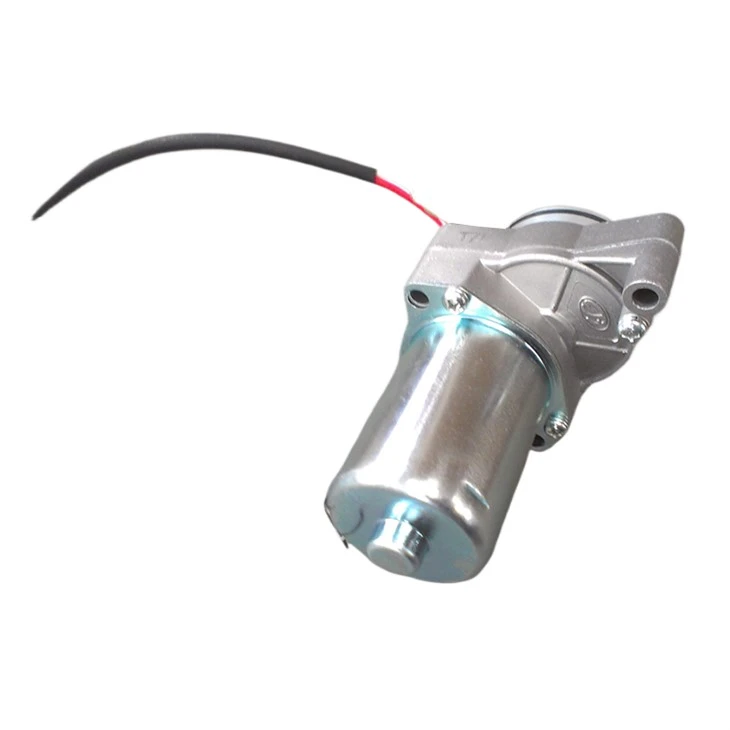
And the Motorcycle Parts Starter Motor 50cc 70cc 110cc 125cc is essential for starting your motorcycle. A good starter motor ensures that the engine starts smoothly, which is important during the break - in process.
Conclusion
Breaking in a new 50cc clutch correctly is a vital step to ensuring its long - term performance and reliability. By following the steps outlined above, you can help your clutch reach its full potential. Remember, patience is key during the break - in period. Rushing the process can lead to premature wear and costly repairs.
If you are in the market for a high - quality 50cc clutch or other motorcycle parts, I encourage you to contact me for a procurement discussion. I am dedicated to providing the best products and services to meet your needs.

References
- Motorcycle repair manuals for 50cc engines
- Industry research on clutch break - in processes