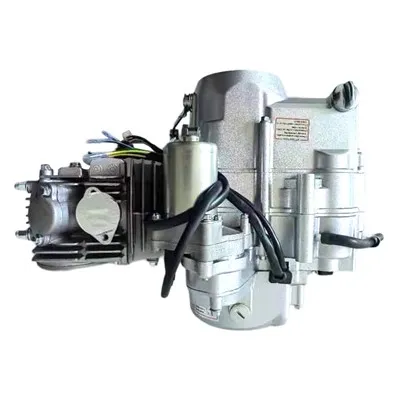
Hey there, fellow motorcycle enthusiasts! I'm a supplier of motorcycle parts, and today I'm stoked to walk you through the process of installing a motorcycle alarm system. Having a reliable alarm system on your bike is like having a vigilant guard dog. It not only deters potential thieves but also gives you peace of mind when you park your precious ride out in the open.
Why You Need a Motorcycle Alarm System
Let's first talk about why you should bother with an alarm system. Motorcycles are easy targets for thieves because they're portable and often left unattended in public places. An alarm system acts as a strong deterrent. When someone tries to mess with your bike, the loud siren and flashing lights will attract attention, scaring off the bad guys. It can also notify you if there's any unauthorized movement, especially useful if you're nearby.
Tools You'll Need
Before we start the installation, gather these tools:
- A set of screwdrivers (both flat - head and Phillips)
- Wire cutters and strippers
- Electrical tape
- A multimeter (to check electrical connections)
- Zip ties (for organizing the wires)
Choosing the Right Alarm System
There are tons of alarm systems on the market. When choosing one, consider features like the range of the remote control, the loudness of the siren, and how well it's made. Look for reviews and ratings from other riders to get an idea of which ones are reliable. And of course, as a motorcycle parts supplier, I can offer you a wide selection of high - quality alarm systems that meet different needs and budgets.
Step - by - Step Installation Guide
- Locate a Good Spot for the Alarm Unit
First off, find a suitable place to mount the alarm unit. It should be out of the way but also easily accessible for wiring. A common spot is under the seat. Make sure it's dry and well - protected from the elements. You don't want water getting into the unit and causing it to malfunction.
2. Disconnect the Battery
Safety first! Before you start any electrical work, disconnect the negative terminal of your motorcycle's battery. This will prevent any short - circuits or electrical shocks while you're working.
3. Wiring the Alarm System
- Power Connection: Locate the main power wires of the alarm system. Usually, there's a red wire for positive and a black wire for negative. Connect the red wire to a constant 12 - volt power source, such as the battery's positive terminal. The black wire should be connected to a good ground point on the motorcycle frame. You can use the multimeter to check the voltage and ensure a proper connection.
- Ignition Connection: Some alarm systems need to be connected to the ignition circuit. This allows the alarm to sense when the bike is turned on or off. Find the ignition wire on your motorcycle (you may need to refer to the wiring diagram that came with your bike) and connect it to the appropriate wire on the alarm system.
- Sensor Connections: Many alarm systems come with motion sensors. Connect these sensors to the alarm unit according to the manufacturer's instructions. Usually, they're attached to the frame of the motorcycle in strategic locations.
4. Mounting the Siren
The siren is a crucial part of the alarm system, so you want to mount it in a place where the sound can spread effectively. A common location is under the side fairing or near the front of the bike. Make sure it's secure and won't vibrate loose while you're riding.
5. Testing the System
Once you've finished all the wiring and mounting, it's time to test the alarm system. Reconnect the battery and use the remote control to arm the alarm. Try gently moving the motorcycle or shaking it a bit to see if the alarm goes off. If it does, great! If not, double - check all your connections.
Tips and Tricks
- Keep the wiring organized. Use zip ties to bundle the wires together and prevent them from getting tangled or damaged.
- If you're not confident in your wiring skills, don't hesitate to ask a professional mechanic for help.
- Consider adding additional security features, like a steering lock or a GPS tracker, for extra protection.
Other Motorcycle Parts You Might Need
As a motorcycle parts supplier, I offer a wide range of other essential parts for your bike. For example, if you're looking for ignition components, check out our Ignition Coil CDI Box Solenoid Relay Voltage Regulator. These parts are crucial for the proper functioning of your motorcycle's ignition system.
If you're having issues with your fuel system, our Motorcycle Fuel Carburetor Pz 19 Pz20 Pz22 can be a great solution. And for those of you with a CG motorcycle, our Motorcycle Parts Steel Outer Kick Start Lever Starter For CG is a durable replacement part.
Let's Connect
If you have any questions about installing the alarm system or need help choosing the right motorcycle parts, don't hesitate to reach out. Whether you're a DIY enthusiast or a professional mechanic, I'm here to assist you in getting the best parts for your motorcycle. We can discuss your specific needs, and I'll do my best to provide you with the right solutions at competitive prices.


References
- Motorcycle alarm system installation manuals from various manufacturers.
- Online motorcycle forums and communities where riders share their experiences and tips on alarm system installation.