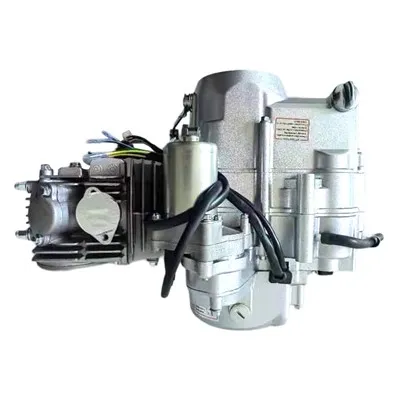
Hey there! I'm a supplier of CB200 engines, and today I wanna chat about how the performance of the CB200 engine changes with altitude.
First off, let's understand the basic principles. The CB200 engine, like any internal - combustion engine, relies on a mixture of air and fuel to generate power. At sea level, the air is denser. There's more oxygen per unit volume. Oxygen is super important because it's what helps the fuel burn efficiently. When the fuel burns properly, it releases energy, which in turn makes the engine run and produce power.
As we start to go up in altitude, things change. The air gets thinner. That means there's less oxygen available in the same amount of air. For the CB200 engine, this has a direct impact on its performance.
One of the most noticeable changes is in power output. At higher altitudes, the engine can't produce as much power as it does at sea level. Since there's less oxygen, the fuel can't burn as completely. This incomplete combustion leads to a reduction in the energy released during the combustion process. So, the engine just doesn't have the same oomph. For example, if you're riding a motorcycle with a CB200 engine at sea level and then take it up to a mountainous area, you'll feel that it accelerates more slowly and might not reach the same top speeds.
Another aspect is fuel consumption. You might think that with less power being produced, the engine would use less fuel. But that's not always the case. The engine control system in the CB200 tries to maintain the right air - fuel ratio. When there's less oxygen, it might inject more fuel to try and compensate. This can lead to an increase in fuel consumption. So, you'll find yourself filling up the tank more often when you're at higher altitudes.
The engine's throttle response also gets affected. At sea level, when you twist the throttle, the engine responds quickly. But at high altitudes, the response is a bit sluggish. This is because the engine has to work harder with the thinner air to generate the same amount of power. So, there's a bit of a delay between when you open the throttle and when the engine actually picks up speed.
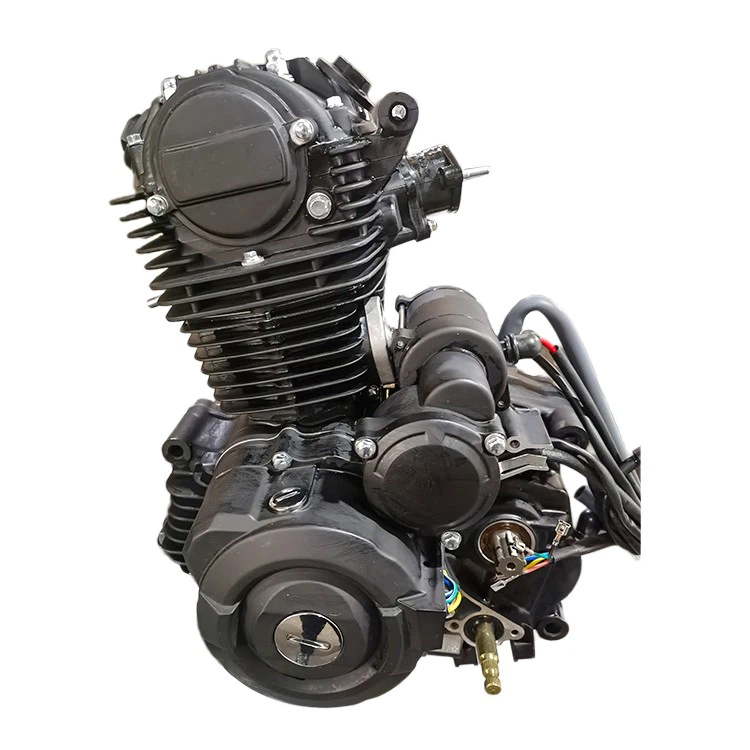

Now, let's talk about some ways to deal with these altitude - related performance changes. One option is to adjust the carburetor (if it's a carbureted CB200 engine). By adjusting the carburetor, you can change the air - fuel mixture to better suit the thinner air at high altitudes. This can help improve power output and fuel efficiency. However, it's not always easy to do, and you need to have some knowledge of how carburetors work.
For fuel - injected CB200 engines, some modern ones have altitude compensation built - in. The engine control unit (ECU) can sense the change in air density and adjust the fuel injection accordingly. But not all engines have this feature, and even those that do might not be able to fully compensate for extreme altitude changes.
If you're in the market for a reliable engine, we also offer a range of other great products. Check out our Cg150 Cg200 Cg250 Motorcycle Engine Tricycle Engine With Balance Shaft. These engines are known for their durability and performance. And if you're looking for something specific like a Cg175 175cc Engine for Tricycle Parts Engine, we've got you covered too. Of course, our Cb150 Cb200 Cb250 Motorcycle Engine with Balance Shaft is also a top - notch option.
If you're interested in purchasing our CB200 engines or any of our other products, don't hesitate to get in touch. We're always ready to have a chat about your needs and how our engines can meet them. Whether you're a motorcycle enthusiast, a tricycle manufacturer, or someone in the business of engine parts, we're here to help.
In conclusion, altitude has a significant impact on the performance of the CB200 engine. From power output to fuel consumption and throttle response, the thinner air at high altitudes changes how the engine operates. But with the right knowledge and possible adjustments, you can still get the most out of your CB200 engine, no matter where you are.
References:
- Automotive Engine Fundamentals textbooks
- Industry reports on engine performance at different altitudes