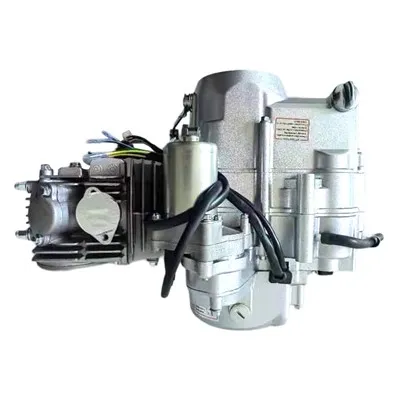
As a supplier of CB250 engines, I often get asked a variety of questions from enthusiasts and mechanics alike. One of the most common queries I receive is whether it's possible to install a turbocharger on a CB250 engine. In this blog post, I'll delve into the technical aspects, potential benefits, challenges, and considerations associated with turbocharging a CB250 engine.
Understanding the CB250 Engine
Before we discuss turbocharging, it's essential to understand the CB250 engine's basic characteristics. The CB250 is a popular motorcycle engine known for its reliability, fuel efficiency, and smooth performance. It typically has a displacement of 250cc, which provides a decent balance between power and economy. The engine is designed to operate within specific parameters, including compression ratio, air - fuel mixture, and ignition timing.
The Concept of Turbocharging
A turbocharger is a forced - induction device that increases an engine's power output by compressing the incoming air. It consists of a turbine and a compressor connected by a shaft. The exhaust gases from the engine spin the turbine, which in turn drives the compressor. The compressor then forces more air into the engine's cylinders, allowing for a greater amount of fuel to be burned and thus increasing power.
Potential Benefits of Turbocharging a CB250 Engine
- Increased Power Output: The most obvious benefit of turbocharging is the significant increase in power. By forcing more air into the cylinders, the engine can burn more fuel, resulting in a substantial boost in horsepower and torque. This can transform the CB250 from a relatively mild - mannered engine into a more powerful and exciting one, especially for those who enjoy high - performance riding.
- Improved Altitude Performance: At higher altitudes, the air is thinner, which can cause a loss of power in naturally aspirated engines. A turbocharger can compensate for this by compressing the thinner air, maintaining a more consistent power output regardless of the altitude.
Challenges and Considerations
- Engine Stress: Turbocharging places additional stress on the engine components. The increased pressure and temperature in the cylinders can lead to higher wear and tear on the pistons, valves, and bearings. The CB250 engine may not be originally designed to handle the extra stress, so it may require significant modifications to the internal components to ensure reliability.
- Heat Management: Turbochargers generate a large amount of heat. The increased temperature can cause issues such as detonation (premature ignition of the air - fuel mixture), which can damage the engine. Adequate cooling systems, including intercoolers to cool the compressed air and improved engine coolant systems, are necessary to manage the heat.
- Fuel System Modifications: To take full advantage of the increased air intake, the fuel system needs to be upgraded. The fuel injectors may need to be larger to deliver more fuel, and the fuel pump may need to be more powerful to maintain the correct pressure.
- Engine Tuning: Turbocharging requires precise engine tuning. The ignition timing, air - fuel mixture, and boost pressure need to be carefully calibrated to ensure optimal performance and prevent engine damage. This often requires specialized equipment and expertise.
Compatibility and Modifications
Compatibility
The CB250 engine may not be directly compatible with a standard turbocharger. The exhaust manifold may need to be modified to fit the turbocharger, and the intake system may also require changes to accommodate the compressed air. Additionally, the engine's computer (if it has one) may need to be reprogrammed to work with the new setup.
Modifications
- Internal Engine Upgrades: As mentioned earlier, the internal components of the engine may need to be upgraded. This could include forged pistons, stronger connecting rods, and high - performance valves to withstand the increased stress.
- Exhaust and Intake System: A custom exhaust system is usually required to route the exhaust gases to the turbocharger efficiently. The intake system should also be designed to minimize restrictions and deliver the compressed air to the cylinders smoothly.
Real - World Examples and Experiences
There have been some enthusiasts who have successfully turbocharged their CB250 engines. However, these projects often require a significant amount of time, money, and technical knowledge. Some have reported great results, with a noticeable increase in power and performance. Others have faced challenges such as overheating and engine reliability issues, which required further modifications and adjustments.
Related Products
If you're interested in other engine options, we also offer a range of related products. For example, we have the Water Cool Cg200 Cg250 Tricycle Engine Water Cool Three Wheels Engines, which is suitable for tricycles and offers reliable performance. Another option is the Motorcycle Engine Assembly Cg200 Cg250 Cg300 Water Cooling Tricycle Engine for 3 Wheels Loncin, which provides a water - cooled solution for three - wheeled vehicles. And for those looking for a smaller engine, the Cg125 125cc Motorcycle and Tricycle Engines for Three Wheels is a great choice.
Conclusion
So, can you install a turbocharger on a CB250 engine? The answer is yes, but it's not a simple task. It requires a thorough understanding of the engine, significant modifications, and careful tuning. While the potential benefits in terms of increased power are appealing, the challenges and costs associated with turbocharging should not be underestimated.
If you're considering turbocharging your CB250 engine or are interested in any of our engine products, we're here to help. We have a team of experts who can provide you with technical advice and support. Whether you're a professional mechanic or an enthusiastic DIYer, we can assist you in making the right decisions for your project. Contact us to start a discussion about your engine needs and explore the possibilities of enhancing your CB250 engine or choosing the right engine for your vehicle.


References
- Heywood, J. B. (1988). Internal Combustion Engine Fundamentals. McGraw - Hill.
- Crolla, D. A. (2001). The Internal Combustion Engine in Theory and Practice. MIT Press.