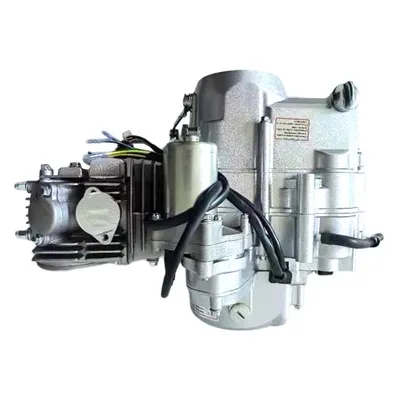
As a supplier of 110 cylinders, I often receive inquiries from customers about the recyclability of these components. The question "Can a 110 cylinder be recycled?" is not only relevant for environmental reasons but also from an economic and practical perspective. In this blog post, I will delve into the details of 110 cylinder recycling, exploring the process, benefits, and challenges involved.
Understanding the 110 Cylinder
Before discussing recycling, it's essential to understand what a 110 cylinder is. A 110 cylinder is a crucial part of a motorcycle engine, typically found in smaller displacement motorcycles and scooters. It is responsible for housing the piston, which moves up and down to convert the energy from the combustion of fuel into mechanical motion. These cylinders are usually made from materials such as aluminum alloy or cast iron, which have different recycling characteristics.
The Recycling Process
The recycling process of a 110 cylinder involves several steps. First, the cylinder needs to be collected. This can be done through various channels, such as motorcycle repair shops, scrap yards, or directly from consumers. Once collected, the cylinders are transported to a recycling facility.
At the recycling facility, the cylinders undergo a pre - treatment process. This includes cleaning to remove any dirt, oil, or other contaminants. The cylinders are then inspected to determine their condition and the type of material they are made of. If the cylinder is made of aluminum alloy, it can be melted down in a furnace. Aluminum has a relatively low melting point, which makes it energy - efficient to recycle. The molten aluminum can then be cast into new products, such as other motorcycle parts or even non - motorcycle related items.


For cast iron cylinders, the process is a bit more complex. Cast iron has a higher melting point than aluminum, and it may contain impurities that need to be removed during the melting process. However, cast iron is also highly recyclable, and the recycled iron can be used to make new engine components or other iron - based products.
Benefits of Recycling 110 Cylinders
There are several benefits to recycling 110 cylinders. From an environmental perspective, recycling reduces the need for raw materials extraction. Mining and refining of aluminum and iron ore are energy - intensive processes that can have a significant impact on the environment, including deforestation, water pollution, and greenhouse gas emissions. By recycling, we can conserve natural resources and reduce the carbon footprint associated with the production of new cylinders.
Economically, recycling can be cost - effective. The cost of producing new cylinders from recycled materials is often lower than using virgin materials. This can translate into savings for manufacturers, which may be passed on to consumers in the form of lower prices. Additionally, the recycling industry creates jobs in collection, transportation, and processing.
Challenges in Recycling 110 Cylinders
Despite the benefits, there are also challenges in recycling 110 cylinders. One of the main challenges is the collection process. It can be difficult to ensure a consistent supply of used cylinders, especially in areas where there is a lack of awareness about recycling or proper collection infrastructure.
Another challenge is the presence of contaminants. Some cylinders may have been exposed to chemicals or have parts made of different materials that are difficult to separate. For example, a cylinder may have a coating or a gasket made of a non - metallic material that needs to be removed before recycling. This can add to the complexity and cost of the recycling process.
The Role of a Supplier
As a 110 cylinder supplier, I play an important role in promoting recycling. I can educate my customers about the benefits of recycling and encourage them to return used cylinders. I can also work with recycling facilities to ensure that the cylinders are properly recycled.
In addition to promoting recycling, I also offer a wide range of high - quality motorcycle parts. For those interested in other motorcycle components, you can check out our Ignition Coil CDI Box Solenoid Relay Voltage Regulator, Motorcycle Cylinder Head Comp, and Motorcycle Parts 70cc 110cc Pistons And Rings Kit. These parts are designed to meet the highest standards of quality and performance.
Conclusion
In conclusion, a 110 cylinder can indeed be recycled. The recycling process offers environmental and economic benefits, although it also faces some challenges. As a supplier, I am committed to promoting recycling and providing high - quality motorcycle parts. If you are in the market for 110 cylinders or other motorcycle components, I encourage you to reach out for a procurement discussion. Whether you are a motorcycle manufacturer, a repair shop, or an individual enthusiast, I am here to meet your needs.
References
- "Recycling of Aluminum Alloys" - Journal of Materials Recycling
- "The Economics of Metal Recycling" - International Journal of Resource Economics
- "Motorcycle Engine Components: Design and Manufacturing" - Automotive Engineering Journal