

Hey there, fellow motorcycle enthusiasts! As a supplier of 50cc clutches, I've been knee - deep in the world of small - engine motorcycles for quite some time. Today, I'm super stoked to chat about the gear - shifting mechanism related to a 50cc clutch.
Let's start with the basics. A 50cc clutch is a crucial part of the motorcycle's power transmission system. It's like the gatekeeper that controls when the engine's power gets sent to the wheels. And the gear - shifting mechanism works hand - in - hand with the clutch to give riders that smooth and efficient riding experience.
So, how does it all work? Well, when you ride a 50cc motorcycle, the engine generates power. But you can't just send all that power directly to the wheels all the time. That's where the clutch comes in. When you pull the clutch lever, it disengages the engine from the transmission. This means the power from the engine isn't being transferred to the wheels, and you can shift gears without grinding them.
The gear - shifting mechanism in a 50cc motorcycle usually consists of a few key components. First up, we've got the gearshift lever. This is what you use to physically change gears. It's usually located near the footrest, and with a simple press or lift of your foot, you can move through the gears.
Then there's the gearshift drum. This is a really important part. The Motorcycle Engine Gearshift Drum Assy For AT110 C100 is a great example of a well - designed gearshift drum. The gearshift drum has a series of grooves and cams on it. When you move the gearshift lever, it rotates the gearshift drum. And as the drum rotates, those grooves and cams push and pull on the shift forks.
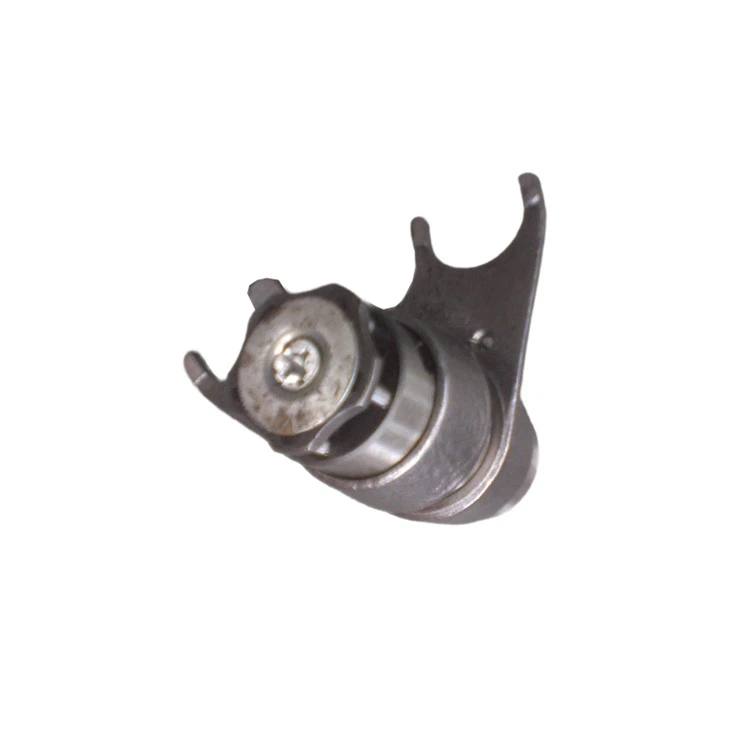
The shift forks are another vital piece of the puzzle. They're connected to the gears in the transmission. When the shift forks are moved by the gearshift drum, they slide the gears along the transmission shaft to engage different gear ratios. For example, when you want to go from first gear to second gear, the shift fork will move the appropriate gear to connect with the transmission in a way that gives you a different speed ratio.
Now, let's talk about the relationship between the 50cc clutch and the gear - shifting mechanism. As I mentioned earlier, the clutch is used to disengage the engine from the transmission when shifting gears. This is super important because if you try to shift gears without disengaging the clutch, you'll end up with a lot of noise and potentially damage the gears.
When you're ready to shift up a gear, you first pull the clutch lever. This separates the engine from the transmission, allowing the gears to move freely. Then you use the gearshift lever to move up to the next gear. Once the gear is engaged, you slowly release the clutch lever. As you do this, the clutch gradually re - engages the engine with the transmission, and power starts flowing to the wheels again.
Shifting down a gear works in a similar way. You pull the clutch lever, use the gearshift lever to move down a gear, and then release the clutch lever slowly. But when shifting down, you also need to be careful about matching the engine speed to the new gear. If you shift down too quickly without adjusting the engine speed, it can cause the motorcycle to jerk or even skid.
One thing I've noticed is that the quality of the clutch and the gear - shifting components can have a huge impact on the overall riding experience. A high - quality 50cc clutch will engage and disengage smoothly, making gear shifts feel seamless. And well - made gearshift drums and shift forks will ensure that the gears engage precisely and reliably.
At our place, we take pride in supplying top - notch 50cc clutches. Our clutches are designed to be durable and provide consistent performance. We source the best materials and use advanced manufacturing techniques to make sure our clutches can handle the demands of daily riding.
But it's not just about the clutch. We also understand the importance of the other components in the gear - shifting mechanism. For example, the gaskets in the engine play a crucial role in keeping everything sealed and running smoothly. The Motorcycles Engine Overall Complete Gasket Set For 110cc 125cc 250cc is a great example of a product that helps maintain the integrity of the engine. A good gasket set can prevent oil leaks and ensure that the engine operates at its best.

And then there's the crankcase body. The Crankcase Body For 152FMH 110cc 125cc Engines Motorcycle Spare Parts provides a stable housing for the engine's internal components, including the gears and the clutch. A well - made crankcase body can protect these components from damage and keep the engine running efficiently.
If you're a motorcycle mechanic or a DIY enthusiast, you know how important it is to have access to high - quality parts. Whether you're building a custom 50cc motorcycle or just doing some maintenance on an existing one, having the right components is key.
So, if you're in the market for a 50cc clutch or any other motorcycle parts related to the gear - shifting mechanism, we're here to help. We've got a wide range of products that are designed to meet your needs. Our team is always ready to answer any questions you might have and help you find the right parts for your motorcycle.
Whether you're a weekend rider looking to upgrade your bike or a professional mechanic working on multiple projects, we can provide you with the parts you need at a competitive price. We believe in building long - term relationships with our customers, and we're committed to providing excellent customer service.
If you're interested in learning more about our products or have any questions about the gear - shifting mechanism in a 50cc motorcycle, don't hesitate to reach out. We're eager to start a conversation with you and help you get the most out of your motorcycle.
In conclusion, the gear - shifting mechanism in a 50cc motorcycle is a complex but fascinating system. It relies on the smooth operation of the clutch, the gearshift lever, the gearshift drum, and the shift forks. By understanding how these components work together, you can have a better riding experience and keep your motorcycle in top shape.
So, come on and get in touch with us. Let's talk about your motorcycle needs and see how we can help you take your riding to the next level.
References
- Motorcycle Mechanics Handbook: A guide to understanding and maintaining motorcycle components.
- Small Engine Technology Journal: Articles on the latest advancements in small - engine technology, including 50cc engines.


