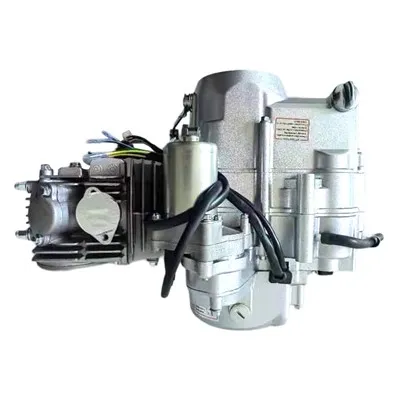
What is the fuel consumption of a tricycle engine?
As a supplier of tricycle engines, I often receive inquiries from customers about the fuel consumption of tricycle engines. Understanding the fuel consumption of tricycle engines is crucial for both consumers and businesses, as it directly impacts operating costs and environmental considerations. In this blog post, I will delve into the factors that influence the fuel consumption of tricycle engines, explore different types of tricycle engines and their typical fuel consumption rates, and provide some tips on how to optimize fuel efficiency.
Factors Affecting Fuel Consumption
The fuel consumption of a tricycle engine is influenced by a variety of factors, including engine size, load, driving conditions, and maintenance. Let's take a closer look at each of these factors:
- Engine Size: Generally, larger engines consume more fuel than smaller engines. This is because larger engines have more cylinders and a greater displacement, which means they require more fuel to generate power. For example, a 250cc tricycle engine will typically consume more fuel than a 125cc engine. However, larger engines also tend to offer more power and torque, which can be beneficial for carrying heavy loads or traveling at higher speeds.
- Load: The weight of the tricycle and its cargo also affects fuel consumption. A heavier load requires more power to move, which means the engine has to work harder and consume more fuel. For instance, if you are using a tricycle to transport heavy goods, you can expect the fuel consumption to be higher compared to when the tricycle is carrying a lighter load or no load at all.
- Driving Conditions: The way you drive the tricycle and the conditions in which you drive it can have a significant impact on fuel consumption. Aggressive driving, such as rapid acceleration, hard braking, and high-speed driving, can increase fuel consumption. On the other hand, smooth and steady driving at a moderate speed can help improve fuel efficiency. Additionally, driving on hilly terrain or in stop-and-go traffic can also increase fuel consumption compared to driving on flat, open roads.
- Maintenance: Proper maintenance of the tricycle engine is essential for optimal fuel efficiency. A well-maintained engine will run more smoothly and efficiently, which can help reduce fuel consumption. Regular maintenance tasks include changing the oil and air filter, checking the spark plugs, and ensuring the tires are properly inflated. Neglecting maintenance can lead to engine problems, such as poor combustion, which can increase fuel consumption.
Types of Tricycle Engines and Their Fuel Consumption
There are several types of tricycle engines available on the market, each with its own unique characteristics and fuel consumption rates. Here are some of the most common types of tricycle engines and their typical fuel consumption:
- Cg125 125cc Motorcycle and Tricycle Engines for Three Wheels: These engines are popular for their compact size, lightweight, and fuel efficiency. A 125cc tricycle engine typically consumes around 2 - 3 liters of fuel per 100 kilometers, depending on the driving conditions and load. The Cg125 125cc Motorcycle and Tricycle Engines for Three Wheels are suitable for light-duty applications, such as personal transportation or small-scale delivery.
- Cg150 Cg200 Cg250 Motorcycle Engine Tricycle Engine with Balance Shaft: These engines offer more power and torque compared to the 125cc engines, making them suitable for heavier loads and more demanding applications. The fuel consumption of a Cg150, Cg200, or Cg250 tricycle engine typically ranges from 3 - 4 liters per 100 kilometers. The Cg150 Cg200 Cg250 Motorcycle Engine Tricycle Engine with Balance Shaft are commonly used in commercial tricycles for transporting goods or passengers.
- Motorcycle Engine Assembly Cg200 Cg250 Cg300 Water Cooling Tricycle Engine for 3 Wheels Loncin: These engines are designed for high-performance applications and offer even more power and torque. The fuel consumption of a Cg200, Cg250, or Cg300 water-cooled tricycle engine can range from 4 - 5 liters per 100 kilometers, depending on the driving conditions and load. The Motorcycle Engine Assembly Cg200 Cg250 Cg300 Water Cooling Tricycle Engine for 3 Wheels Loncin are often used in heavy-duty tricycles for long-distance transportation or off-road use.
Tips for Optimizing Fuel Efficiency
If you want to reduce the fuel consumption of your tricycle engine and save money on fuel costs, here are some tips to keep in mind:


- Drive Smoothly: Avoid rapid acceleration, hard braking, and high-speed driving. Instead, drive smoothly and steadily at a moderate speed. This will help reduce the workload on the engine and improve fuel efficiency.
- Maintain Proper Tire Pressure: Underinflated tires can increase rolling resistance, which means the engine has to work harder to move the tricycle. Make sure to check the tire pressure regularly and keep it at the recommended level.
- Keep the Engine Well-Maintained: Regular maintenance is essential for optimal engine performance and fuel efficiency. Follow the manufacturer's recommended maintenance schedule and perform tasks such as changing the oil and air filter, checking the spark plugs, and adjusting the carburetor if necessary.
- Reduce Excess Weight: Remove any unnecessary items from the tricycle to reduce its weight. A lighter tricycle requires less power to move, which can help improve fuel efficiency.
- Plan Your Routes: Try to plan your routes in advance to avoid traffic congestion and hilly terrain. Driving on flat, open roads at a steady speed can help reduce fuel consumption.
Conclusion
In conclusion, the fuel consumption of a tricycle engine is influenced by several factors, including engine size, load, driving conditions, and maintenance. By understanding these factors and taking steps to optimize fuel efficiency, you can reduce the fuel consumption of your tricycle engine and save money on fuel costs. As a tricycle engine supplier, we offer a wide range of engines with different sizes and specifications to meet the needs of our customers. If you are interested in purchasing a tricycle engine or have any questions about fuel consumption, please feel free to contact us for more information. We look forward to assisting you with your tricycle engine needs.
References
- Society of Automotive Engineers (SAE). (Year). SAE Handbook on Engine Performance and Fuel Economy.
- International Energy Agency (IEA). (Year). Global Fuel Economy Initiative Report.