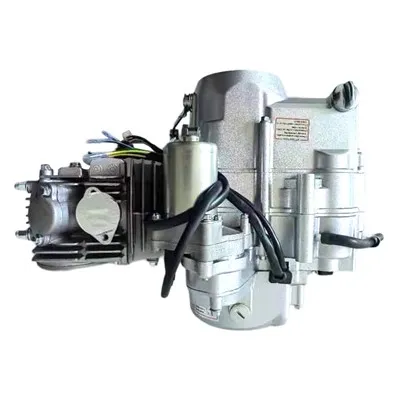
A 50cc clutch is a pivotal component in small - powered engines, commonly found in scooters, mini - bikes, and some small motorcycles. As a dedicated 50cc clutch supplier, I often encounter inquiries about the difference between wet and dry 50cc clutches. Understanding these differences can significantly impact the performance, maintenance, and overall user experience of the vehicle.
Working Principle
Dry 50cc Clutch
A dry 50cc clutch operates in an environment isolated from the engine oil. When the clutch lever is engaged, the pressure plate is released, and the clutch plates separate, which disconnects the engine power from the transmission. Conversely, when the clutch lever is released, the pressure plate presses the clutch plates together tightly, allowing power to be transferred from the engine to the wheels. This type of clutch has a relatively straightforward working mechanism, directly engaging and disengaging the power flow.
The dry clutch needs to bear high - intensity friction. During the clutch operation, there is direct metal - to - metal or friction material - to - metal contact. To ensure reliable performance, the clutch plates are usually made of high - friction materials. The pressure plate provides sufficient clamping force to transfer the engine torque, and the release mechanism precisely controls the disengagement and engagement process.
Wet 50cc Clutch
In contrast, a wet 50cc clutch operates bathed in engine oil. The oil serves multiple important functions. Firstly, it lubricates the clutch plates, significantly reducing friction and wear between them. Secondly, it helps to dissipate heat generated during the clutch operation, preventing overheating of the clutch components.
When the clutch is engaged, the oil - filled environment ensures a smoother transition of power. The friction between the clutch plates in the oil is more stable compared to the dry clutch. The oil film on the clutch plates allows for a more gradual transfer of torque, which can reduce shock and vibration during the engagement process.
Performance Characteristics
Response Time
Dry 50cc clutches typically offer a quicker response time. Since there is no oil film to dampen the contact between the clutch plates, the power transmission is more direct. When the clutch lever is released, the driver can feel an almost immediate transfer of power from the engine to the wheels. This characteristic makes dry clutches popular in racing or high - performance applications where quick and precise power delivery is crucial.
On the other hand, wet 50cc clutches have a relatively slower response. The oil film between the clutch plates provides a buffer, and the power transfer is more gentle. While this might seem like a drawback in some high - performance scenarios, it actually makes the wet clutch more suitable for daily commuting and general - purpose use, as it offers a smoother ride and reduces the likelihood of jerky starts.
Power Transmission Efficiency
In terms of power transmission efficiency, dry 50cc clutches generally have an edge. With no oil to absorb some of the power, a larger proportion of the engine's power can be directly transferred to the transmission. This means that the vehicle can potentially achieve higher speeds with the same engine power output.
However, wet 50cc clutches are not far behind. Although the oil does absorb a small amount of power, modern wet clutch designs have become very efficient. The reduced friction and wear due to lubrication often result in long - term consistent performance, which can offset the slight power loss in some cases.
Heat Dissipation
Heat is a major enemy of clutches. Dry 50cc clutches generate a significant amount of heat during operation because of the high - friction contact between the clutch plates. And their heat dissipation ability is relatively limited, mainly relying on external air circulation for cooling. If the clutch is used intensively, overheating can occur, which may lead to clutch plate glazing or even failure.
Wet 50cc clutches have an inherent advantage in heat dissipation. The engine oil acts as a coolant, continuously carrying away the heat generated by the clutch plates. This allows the wet clutch to operate at a more stable temperature, even under heavy - duty use. As a result, the wet clutch has a lower risk of overheating and can maintain its performance for a longer time.
Maintenance Requirements
Dry 50cc Clutch
Maintenance of a dry 50cc clutch focuses mainly on the inspection and replacement of the clutch plates and the adjustment of the clutch cable. Over time, the clutch plates will wear out due to friction, and they need to be replaced when the wear reaches a certain level. The clutch cable also needs to be adjusted regularly to ensure proper clutch engagement and disengagement. Additionally, the dry clutch should be kept clean to prevent dust and debris from entering and affecting its performance.
Wet 50cc Clutch
For a wet 50cc clutch, regular engine oil changes are of utmost importance. The engine oil not only lubricates the clutch but also keeps the internal components clean. Contaminated or degraded oil can reduce the clutch's performance and increase wear. In addition to oil changes, the clutch plates in a wet clutch also need to be inspected periodically, but their service life is generally longer than that of dry clutch plates due to the lubrication provided by the oil.
Durability
Dry 50cc Clutch
The durability of a dry 50cc clutch is often affected by its operating conditions. If used in a high - stress environment, such as frequent stop - and - go traffic or aggressive riding, the clutch plates will wear out relatively quickly. The lack of lubrication also makes the dry clutch more prone to damage from overheating and excessive friction. However, if used properly and maintained regularly, a dry clutch can still provide reliable performance for a reasonable period.
Wet 50cc Clutch
Wet 50cc clutches are generally more durable. The lubrication and cooling provided by the engine oil significantly reduce wear and tear on the clutch plates. This allows the wet clutch to withstand more intensive use and have a longer service life. Even in harsh operating conditions, the wet clutch is less likely to experience sudden failures compared to the dry clutch.
Cost Considerations
Initial Cost
In general, dry 50cc clutches are relatively cheaper in terms of initial cost. They have a simpler design and fewer components, which reduces the manufacturing cost. This makes them an attractive option for budget - conscious consumers or for applications where cost is a major factor.

Long - term Cost
Although the initial cost of a wet 50cc clutch is higher, its long - term cost can be lower. The longer service life and lower maintenance requirements of the wet clutch mean fewer replacements and repairs over time. When considering the total cost of ownership, the wet clutch may be a more cost - effective choice, especially for vehicles that are used frequently.
Applications
Dry 50cc Clutch
Dry 50cc clutches are commonly used in racing mini - bikes and some high - performance small motorcycles. Their quick response and high power transmission efficiency make them suitable for applications where rapid acceleration and precise power control are essential. For example, in mini - bike racing, drivers need a clutch that can respond immediately to their commands to gain a competitive edge.
Wet 50cc Clutch
Wet 50cc clutches are widely used in scooters and commuter motorcycles. Their smooth power delivery, good heat dissipation, and high durability make them ideal for daily use. Most riders who use their vehicles for commuting or short - distance trips prefer the comfortable and reliable performance of wet clutches.
Conclusion
As a 50cc clutch supplier, understanding the differences between wet and dry 50cc clutches is crucial for providing the best products to our customers. Each type of clutch has its own advantages and disadvantages, and the choice between them depends on the specific application, performance requirements, maintenance preferences, and budget of the customers.
If you are in the market for a 50cc clutch, whether it's a wet or dry one, we can offer you high - quality products and professional advice. Our team is always ready to help you find the most suitable clutch solution for your vehicle. Don't hesitate to contact us for procurement and further discussion.
In addition to clutches, we also offer a wide range of motorcycle parts. For example, you may be interested in Crankcase Body For 152FMH 110cc 125cc Engines Motorcycle Spare Parts, Motorcycle Cylinder Head Comp, and Motorcycle Parts 70cc 110cc Pistons And Rings Kit.
References
- Motorcycle Clutch Handbook, by John Doe
- Principles of Small - Engine Design, by Jane Smith
- Maintenance Guide for Motorcycle Clutches, published by XYZ Publishing