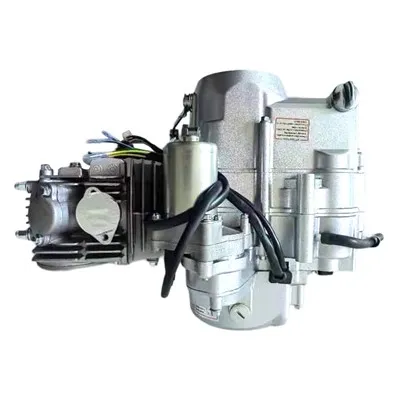
Hey there! I'm a supplier of 300cc engines, and today I wanna chat about something super important in the engine world: the air - fuel ratio of a 300cc engine.
So, what the heck is the air - fuel ratio? Simply put, it's the ratio of the mass of air to the mass of fuel in the combustion chamber of an engine. This ratio is crucial because it directly affects how well the engine runs, its power output, fuel efficiency, and emissions.
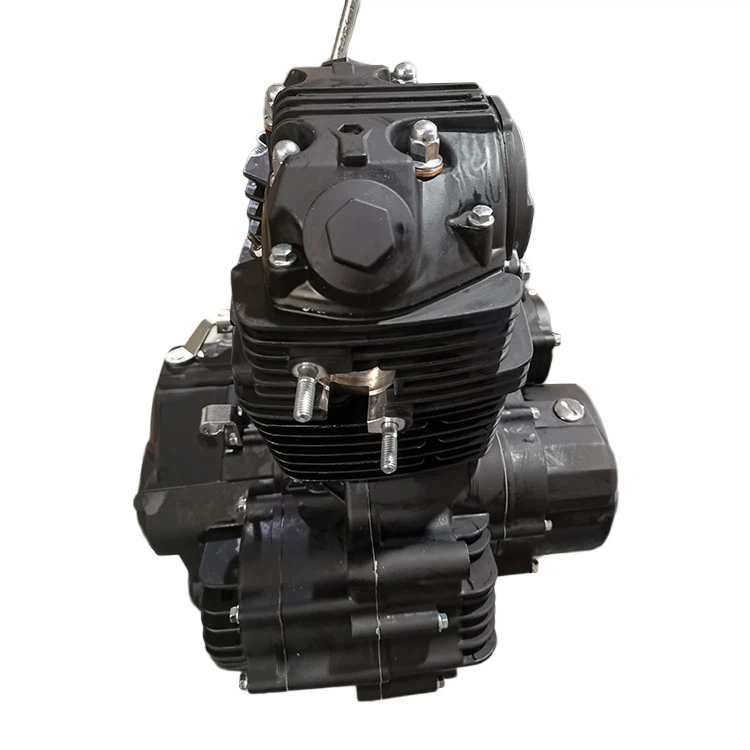

For most gasoline engines, there's an ideal air - fuel ratio known as the stoichiometric ratio. This magic number is about 14.7:1. That means for every 14.7 parts of air, there's 1 part of fuel. When the engine runs at this ratio, the fuel burns completely, and you get the most efficient combustion possible. But here's the thing, in a real - world 300cc engine, it's not always that simple.
Let's dig a bit deeper into how this air - fuel ratio works in a 300cc engine. In normal operating conditions, a 300cc engine might aim to get close to that stoichiometric ratio. But different situations call for different ratios. For example, when you're just cruising along at a steady speed, the engine can operate pretty close to 14.7:1. This is when you're getting good fuel economy, and the engine is running smoothly.
However, when you want to really open up the throttle and get some speed, the engine needs more power. To achieve that, the air - fuel ratio will change. It'll go to a richer mixture, which means there's more fuel relative to the air. A common rich ratio might be around 12:1 or 13:1. The extra fuel provides more energy during combustion, giving you that boost in power. But there's a trade - off. A richer mixture means less efficient fuel use, and it also leads to higher emissions.
On the other hand, when the engine is idling or running at a very light load, it can run on a leaner mixture. A lean mixture has more air and less fuel, say around 16:1 or even higher. Running lean can improve fuel efficiency, but if it gets too lean, the engine might misfire, run rough, or even overheat.
Now, how does a 300cc engine manage to control this air - fuel ratio? Well, modern engines are equipped with a bunch of sensors and a computerized engine control unit (ECU). The sensors, like the oxygen sensor, constantly monitor the amount of oxygen in the exhaust. Based on this information, the ECU adjusts the amount of fuel injected into the engine to keep the air - fuel ratio in the right range.
For us 300cc engine suppliers, getting the air - fuel ratio right is a top priority. We spend a lot of time in the lab, testing different combinations of air and fuel to make sure our engines perform at their best. We also take into account different environmental conditions. For example, at high altitudes, the air is thinner, which means there's less oxygen. So, the engine needs to adjust the fuel injection to maintain the correct air - fuel ratio.
If you're in the market for an engine, you might be interested in some of the other engines we offer. We have the Cg175 175cc Engine for Tricycle Parts Engine, which is great for tricycles. It's reliable and has a good balance of power and fuel efficiency. We also have the Water Cool Cg200 Cg250 Tricycle Engine Water Cool Three Wheels Engines. The water - cooling system helps keep the engine at a stable temperature, which is important for consistent performance. And for motorcycle enthusiasts, we have the Cb150 Cb200 Cb250 Motorcycle Engine with Balance Shaft. The balance shaft reduces vibrations, making for a smoother ride.
When it comes to our 300cc engines, we've put in a lot of effort to optimize the air - fuel ratio. We've used advanced technology and high - quality components to ensure that our engines can adapt to different driving conditions. Whether you're using the engine for a motorcycle, a small vehicle, or some other application, you can expect good performance and reasonable fuel economy.
If you're thinking about purchasing an engine, especially a 300cc one, we'd love to talk to you. We can provide you with all the details about the engine's performance, including how it manages the air - fuel ratio. We're here to help you make the best choice for your needs. So, if you're interested in learning more or starting a purchase negotiation, don't hesitate to reach out. We're always ready to assist you in finding the perfect engine.
References
- Heywood, J. B. (1988). Internal Combustion Engine Fundamentals. McGraw - Hill.
- Taylor, C. F. (1985). The Internal - Combustion Engine in Theory and Practice. MIT Press.