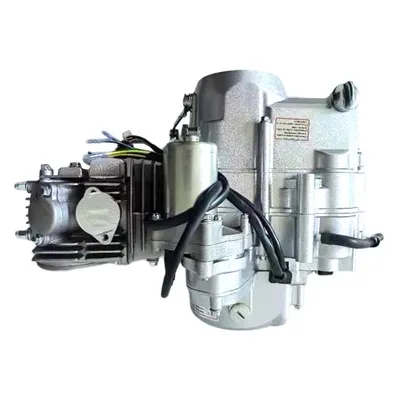
Adjusting the position control of a 250 quad motor is a crucial task that can significantly impact the performance and stability of your quadcopter. As a leading supplier of 250 quad motors, I've had extensive experience with these motors and understand the intricacies involved in their position control adjustment. In this blog post, I'll share some valuable insights and practical steps to help you fine - tune the position control of your 250 quad motor.
Understanding the Basics of 250 Quad Motor Position Control
Before diving into the adjustment process, it's essential to understand what position control means for a 250 quad motor. Position control refers to the ability of the motor to maintain a specific position in space, which is vital for stable flight. The position of the motor affects the overall balance, thrust distribution, and maneuverability of the quadcopter.
The 250 quad motor operates in a complex system that includes sensors, controllers, and actuators. Sensors such as gyroscopes and accelerometers detect the orientation and movement of the quadcopter. The controller processes this data and sends commands to the motors to adjust their speed and position accordingly. Any misalignment or incorrect position of the motor can lead to instability, erratic flight, and even crashes.
Tools Required for Adjustment
To adjust the position control of a 250 quad motor, you'll need the following tools:
- Hex wrenches: These are used to loosen and tighten the motor mounts. Different sizes may be required depending on your quadcopter model.
- Level: A small, accurate level is necessary to ensure that the motor is mounted horizontally.
- Screwdriver: You may need a screwdriver to adjust the wiring connections or other components if necessary.
- Multimeter: This tool can be used to measure the electrical parameters of the motor, such as voltage and current, to ensure proper functioning.
Step - by - Step Adjustment Process
1. Initial Inspection
Before making any adjustments, conduct a thorough inspection of the quadcopter. Check for any visible signs of damage, loose connections, or misaligned components. Make sure that all the motors are securely mounted and that the wiring is intact. Inspect the propellers for any signs of wear or damage, as this can also affect the motor's performance.
2. Motor Mount Alignment
The first step in adjusting the position control is to ensure that the motor mounts are correctly aligned. Loosen the screws on the motor mounts using the hex wrenches. Place the level on top of the motor to check its horizontal alignment. Adjust the position of the motor until it is perfectly level. Tighten the screws on the motor mounts firmly, but be careful not to overtighten, as this can damage the motor or the frame.
3. Thrust Balance
Once the motor mounts are aligned, it's important to balance the thrust of each motor. This can be done by using a thrust stand or by conducting a test flight. If you're using a thrust stand, place each motor on the stand and measure the thrust output. Compare the thrust values of all four motors. If there is a significant difference in thrust between motors, you may need to adjust the motor's speed controller settings or replace the motor if it is faulty.


During a test flight, observe the behavior of the quadcopter. If it tends to drift to one side or has difficulty maintaining a stable position, it may indicate an imbalance in thrust. In this case, you can use the flight controller's software to adjust the motor mixing settings. Most flight controllers allow you to fine - tune the throttle output for each motor to achieve a more balanced thrust.
4. Wiring and Connection Checks
Proper wiring and connections are essential for accurate position control. Check all the wiring connections between the motors, speed controllers, and flight controller. Make sure that the wires are securely plugged in and that there are no loose or frayed wires. A loose connection can cause intermittent power loss or incorrect signals, which can affect the motor's position control.
If you find any damaged wires, replace them immediately. Also, ensure that the wiring is routed in a way that it does not interfere with the movement of the propellers or other components.
5. Sensor Calibration
The sensors in the quadcopter, such as the gyroscope and accelerometer, need to be calibrated regularly to ensure accurate position control. Most flight controllers have a built - in calibration feature. Follow the manufacturer's instructions to calibrate the sensors. This usually involves placing the quadcopter on a level surface and following a series of steps on the flight controller's software.
Advanced Adjustments
In some cases, you may need to make more advanced adjustments to the position control of the 250 quad motor. These adjustments may involve fine - tuning the PID (Proportional - Integral - Derivative) controller settings in the flight controller.
The PID controller is responsible for adjusting the motor's speed and position based on the error between the desired and actual position of the quadcopter. By adjusting the PID gains, you can improve the stability, responsiveness, and accuracy of the position control. However, PID tuning is a complex process that requires some technical knowledge and experience. It's recommended to start with the default PID settings and make small adjustments gradually while observing the quadcopter's behavior during test flights.
Troubleshooting
If you're still experiencing issues with the position control of the 250 quad motor after making the above adjustments, here are some common troubleshooting steps:
- Check for interference: Radio interference can affect the communication between the flight controller and the motors. Make sure that there are no sources of interference near the quadcopter, such as other electronic devices or power lines.
- Update the firmware: Outdated firmware on the flight controller or speed controllers can cause problems with position control. Check the manufacturer's website for the latest firmware updates and follow the instructions to install them.
- Inspect the propellers: As mentioned earlier, damaged or worn propellers can affect the motor's performance. Replace the propellers if necessary.
Importance of Proper Position Control
Proper position control of the 250 quad motor is crucial for several reasons. Firstly, it ensures stable flight, which is essential for both recreational and professional use. A stable quadcopter is easier to control, allowing for more precise maneuvers and better footage capture if you're using it for aerial photography or videography.
Secondly, accurate position control helps to extend the lifespan of the motors and other components. When the motors are operating in a balanced and stable manner, they experience less stress and wear, reducing the likelihood of premature failure.
Finally, proper position control enhances the safety of the quadcopter. A well - adjusted quadcopter is less likely to crash or cause damage to itself or other objects. This is especially important when flying in populated areas or near valuable property.
Related Product Recommendations
As a 250 quad motor supplier, we also offer a range of related products that can enhance the performance of your quadcopter. For example, we have Cg125 125cc Motorcycle and Tricycle Engines for Three Wheels which are known for their reliability and power. Our Cb150 Cb200 Cb250 Motorcycle Engine with Balance Shaft provides smooth operation and improved balance. And if you're looking for a water - cooled option, our Water Cool Cg200 Cg250 Tricycle Engine Water Cool Three Wheels Engines offers excellent heat dissipation and long - term durability.
Contact for Procurement
If you're interested in purchasing our 250 quad motors or any of our related products, we encourage you to contact us for procurement and further discussion. We have a team of experts who can provide you with detailed product information, technical support, and customized solutions to meet your specific needs.
References
- Drone Technology Handbook, John Wiley & Sons
- Aerial Robotics: Science, Systems, and Applications, CRC Press
- Quadcopter Flight Dynamics and Control, Springer