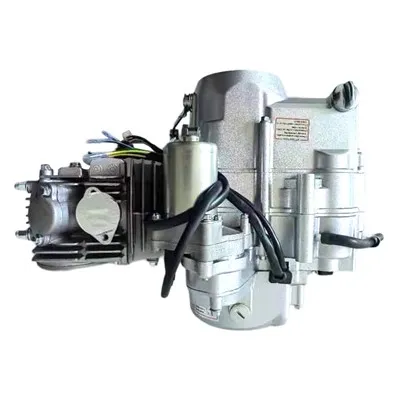
Hey there! As a supplier of 48cc engines, I've seen firsthand how important it is to keep your engine running smoothly. One of the key aspects of maintaining a 48cc engine vehicle is balancing the engine. In this blog post, I'll share some tips on how to balance the engine on a 48cc engine vehicle.
Why Engine Balancing Matters
First off, let's talk about why engine balancing is so crucial. When an engine is out of balance, it can cause a whole bunch of problems. You might notice excessive vibrations, which not only make your ride uncomfortable but can also lead to premature wear and tear on various engine components. Over time, these vibrations can cause parts to loosen, break, or fail, resulting in costly repairs.
A balanced engine, on the other hand, runs more efficiently. It can deliver better power output, improved fuel economy, and a longer lifespan. So, taking the time to balance your engine is definitely worth it.
Tools You'll Need
Before you start the balancing process, you'll need to gather a few tools. Here's what you'll typically need:
- Balancing stand: This is a special tool that allows you to mount the engine and spin it to check for balance.
- Weights and balancers: You'll need these to add or remove weight from the engine to achieve balance.
- Wrenches and sockets: These are used to disassemble and reassemble the engine parts.
- A clean workspace: Make sure you have a clean and organized area to work in to prevent losing any small parts.
Step-by-Step Guide to Balancing the Engine
Now, let's get into the actual process of balancing the engine on a 48cc engine vehicle.

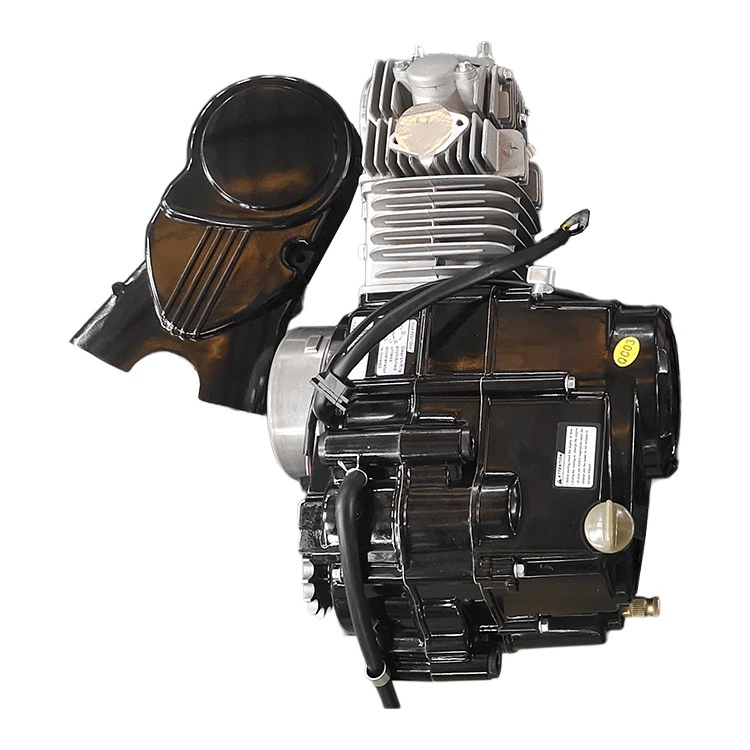
Step 1: Remove the Engine
The first step is to remove the engine from the vehicle. This might seem a bit daunting, but if you have some basic mechanical skills, it's definitely doable. Just make sure to follow the manufacturer's instructions carefully and take note of how all the parts are connected.
Step 2: Inspect the Engine
Once the engine is removed, give it a thorough inspection. Look for any signs of damage, such as cracks, worn bearings, or loose parts. If you find any issues, it's best to address them before proceeding with the balancing process.
Step 3: Mount the Engine on the Balancing Stand
Next, mount the engine on the balancing stand. Make sure it's securely attached and can spin freely. The balancing stand will allow you to rotate the engine and check for any imbalance.
Step 4: Check for Imbalance
Once the engine is mounted on the balancing stand, spin it slowly and observe its movement. If the engine is out of balance, you'll notice that it tends to stop in a certain position. This indicates that there's more weight on one side of the engine than the other.
Step 5: Add or Remove Weight
To correct the imbalance, you'll need to add or remove weight from the engine. You can do this by adding balancer weights to the lighter side or removing material from the heavier side. It's important to make small adjustments at a time and recheck the balance after each adjustment. This will help you get the engine as balanced as possible.
Step 6: Reassemble the Engine
Once you're satisfied with the balance of the engine, it's time to reassemble it. Make sure to put all the parts back in the correct order and tighten all the bolts and nuts to the proper torque specifications.
Step 7: Install the Engine Back into the Vehicle
Finally, install the balanced engine back into the vehicle. Double-check all the connections and make sure everything is properly aligned.
Other Tips for Maintaining a Balanced Engine
Balancing the engine is just one part of maintaining a 48cc engine vehicle. Here are some other tips to keep your engine running smoothly:
- Regular maintenance: Follow the manufacturer's recommended maintenance schedule. This includes changing the oil, spark plugs, and air filter regularly.
- Proper fuel: Use the right type of fuel for your engine. Using low-quality or incorrect fuel can affect the engine's performance and balance.
- Warm-up and cool-down: Always warm up the engine before riding and let it cool down properly after a ride. This helps to prevent thermal stress on the engine components.
Related Products
If you're interested in other engine options, we also offer a range of high-quality engines. Check out our 110cc Go Kart Automatic Complete Engine, 50cc 110cc 125cc Monkey Bike Motorcycle Engine 152fmh 154fmi, and 152fmh 110cc Engine with Fully Automatic. These engines are designed to provide reliable performance and are a great choice for your vehicle.
Contact for Purchasing
If you're in the market for a 48cc engine or any of our other products, don't hesitate to reach out. We're here to help you find the right engine for your needs and provide you with the best possible service. Whether you're a hobbyist or a professional, we've got you covered.
References
- Motorcycle Engine Maintenance Manuals
- Online Forums for Small Engine Enthusiasts
- Technical Publications on Engine Balancing