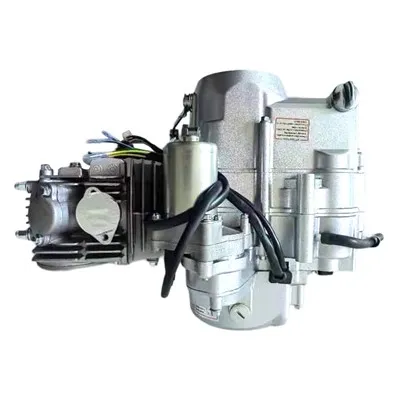
As a supplier of 110cc clutches, I've received numerous inquiries from motorcycle enthusiasts and mechanics alike regarding the potential damage high RPM (Revolutions Per Minute) can inflict on these clutches. This topic is not only crucial for those looking to optimize their motorcycle's performance but also for ensuring the longevity of the clutch system. In this blog post, I'll delve into the science behind high RPM and its impact on 110cc clutches, drawing on industry knowledge and practical experience.
Understanding the Basics of a 110cc Clutch
Before we explore the effects of high RPM, it's essential to understand how a 110cc clutch functions. A clutch is a mechanical device that engages and disengages the power transmission from the engine to the transmission system. In a 110cc motorcycle, the clutch typically consists of friction plates, steel plates, a pressure plate, and a spring mechanism. When the clutch lever is pulled, the pressure plate releases the friction plates, allowing the engine to spin independently of the transmission. When the lever is released, the pressure plate compresses the friction plates against the steel plates, transferring power from the engine to the wheels.
The Role of RPM in Motorcycle Performance
RPM is a measure of how many times the engine's crankshaft rotates in one minute. Higher RPM generally means more power and torque are being produced by the engine. When you twist the throttle on a motorcycle, you're essentially increasing the RPM of the engine, which in turn increases the speed of the motorcycle. However, running an engine at high RPM for extended periods can have several consequences, both for the engine and the clutch.
Can High RPM Damage a 110cc Clutch?
The short answer is yes, high RPM can potentially damage a 110cc clutch. Here's how:
1. Excessive Heat Generation
One of the primary ways high RPM can harm a clutch is through excessive heat generation. When the engine is running at high RPM, the clutch plates are subjected to increased friction as they engage and disengage. This friction generates heat, and if the clutch is not designed to dissipate this heat effectively, it can lead to overheating. Overheating can cause the friction material on the clutch plates to wear out prematurely, glaze over, or even burn, resulting in reduced clutch performance and eventual failure.
2. Increased Wear and Tear
High RPM also means increased wear and tear on the clutch components. The constant engagement and disengagement of the clutch plates at high speeds can cause the plates to wear down more quickly. Additionally, the spring mechanism that applies pressure to the clutch plates can become fatigued over time, leading to a loss of clamping force. This can result in slipping of the clutch, where the power from the engine is not fully transferred to the transmission, causing a decrease in acceleration and overall performance.
3. Mechanical Stress
Running the engine at high RPM puts additional mechanical stress on the entire drivetrain, including the clutch. The increased forces acting on the clutch components can cause them to deform, crack, or break. For example, the pressure plate may warp under the high loads, leading to uneven pressure distribution on the clutch plates and further exacerbating the wear and tear.
Factors Affecting the Impact of High RPM on a 110cc Clutch
Not all 110cc clutches are created equal, and several factors can influence how susceptible a clutch is to damage from high RPM:
1. Clutch Design and Quality
The design and quality of the clutch play a significant role in its ability to withstand high RPM. A well-designed clutch with high-quality materials and proper heat dissipation features will be more resistant to damage than a poorly made one. For example, some clutches are designed with multiple friction plates or advanced cooling fins to improve heat dissipation and reduce wear.
2. Riding Style
Your riding style also has a major impact on the lifespan of your clutch. Aggressive riding, such as frequent high RPM launches, rapid acceleration, and hard braking, will put more stress on the clutch than smooth, conservative riding. If you're constantly revving the engine to the redline and riding in stop-and-go traffic, you're more likely to experience clutch problems.
3. Maintenance
Regular maintenance is essential for keeping your clutch in good condition. This includes checking the clutch fluid level (if applicable), adjusting the clutch cable or hydraulic system, and inspecting the clutch plates for wear. Neglecting maintenance can accelerate the wear and tear on the clutch, making it more vulnerable to damage from high RPM.
How to Protect Your 110cc Clutch from High RPM Damage
While high RPM can potentially damage a 110cc clutch, there are several steps you can take to minimize the risk:
1. Use High-Quality Clutch Components
Invest in a high-quality clutch that is designed to handle the demands of your riding style. As a [Your Company Type] of 110cc clutches, we offer a range of clutches that are built to last, with advanced features such as high-friction materials, improved heat dissipation, and durable construction. You can also explore our related products like Motorcycle Cylinder Head Comp, Motorcycle Transmission Gear And External Gearboxes For Chinese 50cc 110cc 125cc Engine, and Engine Assembly Bearing to ensure the overall performance and reliability of your motorcycle.
2. Practice Smooth Riding Techniques
Avoid riding at high RPM for extended periods and practice smooth acceleration and deceleration. This will reduce the stress on the clutch and help it last longer. When shifting gears, make sure to fully disengage the clutch before shifting and engage it smoothly to avoid unnecessary wear.
3. Maintain Your Clutch Regularly
Follow the manufacturer's recommended maintenance schedule for your clutch. This may include checking the clutch fluid level, adjusting the clutch cable or hydraulic system, and inspecting the clutch plates for wear. If you notice any signs of clutch problems, such as slipping, grabbing, or unusual noises, have it inspected and repaired by a qualified mechanic as soon as possible.
Conclusion
In conclusion, high RPM can indeed damage a 110cc clutch, but the extent of the damage depends on several factors, including the clutch design, riding style, and maintenance. By understanding the potential risks and taking appropriate precautions, you can protect your clutch and ensure optimal performance and longevity. As a trusted supplier of 110cc clutches, we're committed to providing high-quality products and expert advice to help you get the most out of your motorcycle. If you have any questions or need assistance with choosing the right clutch for your needs, please don't hesitate to [Contact Method]. We're here to help you keep your motorcycle running smoothly and safely.


References
- Motorcycle Mechanics Handbook, Various Authors
- Motorcycle Engineering Textbooks, Academic Publishers