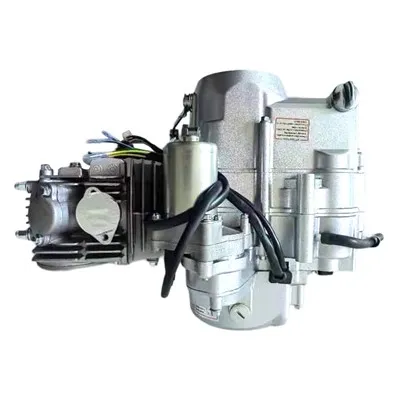
As a seasoned tricycle engine supplier, I've had the privilege of witnessing the evolution of tricycle engine technology firsthand. One of the most fundamental aspects of any tricycle engine is its starting system. In this blog post, I'll delve into the intricacies of tricycle engine starting systems, exploring their types, components, and how they work.
Types of Tricycle Engine Starting Systems
There are primarily two types of starting systems used in tricycle engines: kick-start and electric-start systems. Each type has its own advantages and disadvantages, and the choice between them often depends on the specific needs and preferences of the tricycle owner.
Kick-Start Systems
Kick-start systems are the traditional and simplest way to start a tricycle engine. They have been around for decades and are still commonly found in many tricycles, especially those with smaller engines. The basic principle behind a kick-start system is to manually rotate the engine's crankshaft using a kick lever.
When the rider presses down on the kick lever, a series of gears and mechanisms transfer the force from the lever to the crankshaft, causing it to rotate. As the crankshaft rotates, it initiates the engine's compression and ignition processes, ultimately starting the engine. Kick-start systems are known for their reliability and simplicity, as they have fewer components and are less prone to electrical failures.
However, kick-start systems also have some drawbacks. They require physical effort from the rider, which can be challenging, especially for those with limited strength or mobility. Additionally, kick-starting can be difficult in cold weather or if the engine is flooded.
Electric-Start Systems
Electric-start systems have become increasingly popular in recent years, thanks to their convenience and ease of use. Instead of relying on manual force, electric-start systems use an electric motor to rotate the engine's crankshaft.
When the rider turns the ignition key or presses the start button, an electrical current is sent to the starter motor. The starter motor then engages with the engine's flywheel or ring gear, causing the crankshaft to rotate. Once the engine starts, the starter motor disengages automatically.
Electric-start systems offer several advantages over kick-start systems. They are much easier to use, as they require minimal physical effort from the rider. They also work well in cold weather and can start the engine quickly and reliably. However, electric-start systems are more complex and expensive than kick-start systems, and they rely on a battery to function. If the battery is dead or discharged, the engine may not start.
Components of a Tricycle Engine Starting System
Regardless of the type of starting system, there are several key components that are essential for its proper functioning. These components include:
Battery
In an electric-start system, the battery is the power source that provides the electrical energy needed to start the engine. A healthy battery is crucial for the reliable operation of the starting system. It should be properly maintained, including regular charging and checking the electrolyte levels (if applicable).
Starter Motor
The starter motor is the heart of an electric-start system. It is responsible for converting electrical energy from the battery into mechanical energy to rotate the engine's crankshaft. Starter motors are designed to provide high torque at low speeds, allowing them to overcome the engine's initial resistance and start the engine.
Kick Lever (for Kick-Start Systems)
In a kick-start system, the kick lever is the component that the rider uses to manually rotate the engine's crankshaft. It is typically connected to a series of gears and mechanisms that transfer the force from the lever to the crankshaft.
Ignition Switch
The ignition switch is used to control the flow of electrical current to the starter motor and other electrical components in the engine. When the rider turns the ignition key or presses the start button, the ignition switch closes the circuit, allowing the electrical current to flow to the starter motor.
Solenoid
In an electric-start system, the solenoid is a relay that controls the flow of electrical current to the starter motor. When the rider turns the ignition key or presses the start button, the solenoid receives a small electrical current from the ignition switch. This current activates the solenoid, which then closes a larger circuit, allowing a high current to flow from the battery to the starter motor.
How a Tricycle Engine Starting System Works
Now that we've discussed the types and components of tricycle engine starting systems, let's take a closer look at how they work.
Kick-Start System Operation
- The rider positions the tricycle in a stable position and ensures that the engine is in neutral.
- The rider presses down on the kick lever with their foot, applying a quick and forceful motion.
- As the kick lever moves downward, it rotates a series of gears and mechanisms, which transfer the force to the engine's crankshaft.
- The rotating crankshaft initiates the engine's compression and ignition processes. The piston moves up and down in the cylinder, compressing the air-fuel mixture. At the appropriate time, the spark plug ignites the compressed mixture, causing the engine to start.
Electric-Start System Operation
- The rider turns the ignition key or presses the start button, which sends a small electrical current to the solenoid.
- The solenoid receives the current and activates, closing a larger circuit that allows a high current to flow from the battery to the starter motor.
- The starter motor engages with the engine's flywheel or ring gear, causing the crankshaft to rotate.
- As the crankshaft rotates, the engine's compression and ignition processes are initiated. The piston moves up and down in the cylinder, compressing the air-fuel mixture. At the appropriate time, the spark plug ignites the compressed mixture, causing the engine to start.
- Once the engine starts, the starter motor disengages automatically, and the electrical current to the starter motor is cut off.
Maintenance and Troubleshooting of Tricycle Engine Starting Systems
Proper maintenance of the starting system is essential to ensure its reliable operation. Here are some tips for maintaining a tricycle engine starting system:
Battery Maintenance
- Check the battery regularly for signs of damage or corrosion.
- Keep the battery terminals clean and tight.
- Charge the battery as needed, especially if the tricycle is not used for an extended period.
- Follow the manufacturer's recommendations for battery maintenance and replacement.
Starter Motor Maintenance
- Inspect the starter motor for any signs of damage or wear.
- Check the electrical connections to the starter motor to ensure they are clean and secure.
- If the starter motor is making unusual noises or not functioning properly, have it inspected and repaired by a qualified mechanic.
Kick Lever Maintenance (for Kick-Start Systems)
- Lubricate the kick lever and its associated components regularly to ensure smooth operation.
- Check the kick lever for any signs of damage or wear, and replace it if necessary.
If you encounter problems with your tricycle engine starting system, here are some common troubleshooting steps:
Electric-Start System Troubleshooting
- Check the battery to ensure it is fully charged and the connections are secure.
- Test the battery voltage using a multimeter. If the voltage is low, charge the battery or replace it if necessary.
- Check the ignition switch and solenoid for proper operation. If they are faulty, they may need to be replaced.
- Inspect the starter motor for any signs of damage or wear. If the starter motor is not working, it may need to be repaired or replaced.
Kick-Start System Troubleshooting
- Check the kick lever to ensure it is properly connected and functioning smoothly.
- Inspect the gears and mechanisms associated with the kick-start system for any signs of damage or wear. If they are faulty, they may need to be repaired or replaced.
- If the engine is difficult to start, check the spark plug and fuel system to ensure they are working properly.
Conclusion
The starting system is a critical component of any tricycle engine, as it is responsible for initiating the engine's operation. Whether you choose a kick-start or electric-start system depends on your specific needs and preferences. By understanding the types, components, and operation of tricycle engine starting systems, you can ensure their proper maintenance and troubleshooting, keeping your tricycle running smoothly.


As a tricycle engine supplier, we offer a wide range of high-quality tricycle engines with reliable starting systems. If you're in the market for a new tricycle engine, we invite you to explore our product offerings. You can find more information about our engines, such as the Motorcycle Engine Assembly Cg200 Cg250 Cg300 Water Cooling Tricycle Engine for 3 Wheels Loncin, Cg150 150cc Motorcycle Engine for Zongshen Enging Assembly, and 200cc Cg200 Tricycle Engine and Engine Parts on our website.
If you have any questions or would like to discuss your specific requirements, please feel free to contact us. We're here to help you find the perfect tricycle engine for your needs and provide you with excellent customer service.
References
- "Motorcycle Engine Technology" by David Crolla
- "Small Engine Repair Manual" by John Doe