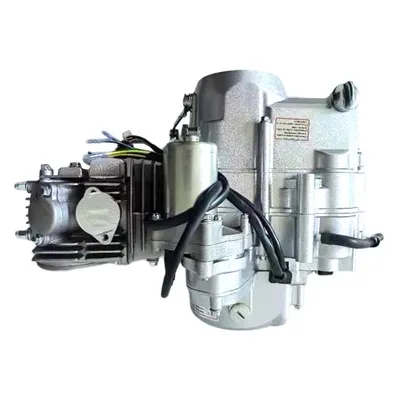
As a supplier of 48cc engines, I often receive inquiries from customers about the recommended oil change interval for these engines. Proper oil maintenance is crucial for the longevity and performance of any engine, and the 48cc engine is no exception. In this blog post, I will delve into the factors that influence the oil change interval for a 48cc engine and provide some general guidelines to help you keep your engine running smoothly.
Understanding the Importance of Oil in a 48cc Engine
Before discussing the oil change interval, it's essential to understand the role of oil in a 48cc engine. Engine oil serves several critical functions:
- Lubrication: It reduces friction between moving parts, such as pistons, bearings, and crankshafts. This helps prevent wear and tear, ensuring the engine operates efficiently and quietly.
- Cooling: Oil helps dissipate heat generated by the engine's internal combustion process. By carrying heat away from hot components, it prevents overheating and potential damage.
- Cleaning: Engine oil traps dirt, debris, and combustion by - products, preventing them from accumulating and causing damage to the engine. It also contains detergents that help clean the engine from the inside.
- Sealing: Oil forms a thin film between the piston rings and the cylinder walls, providing a seal that prevents combustion gases from leaking into the crankcase.
Factors Affecting the Oil Change Interval
Several factors influence how often you should change the oil in a 48cc engine. These include:
Usage Patterns
- Frequency of Use: If you use your 48cc engine frequently, the oil will break down more quickly due to increased heat and friction. For example, if you use a 48cc engine - powered scooter or dirt bike daily for commuting or racing, you may need to change the oil more often than if you use it only occasionally for leisure rides.
- Operating Conditions: Harsh operating conditions, such as high temperatures, dusty environments, or stop - and - go traffic, can accelerate oil degradation. In hot climates, the oil may thin out more quickly, reducing its lubricating properties. In dusty conditions, the oil can become contaminated with dirt and debris more rapidly.
Type of Oil
- Synthetic vs. Conventional Oil: Synthetic oils generally have better performance characteristics and can last longer than conventional oils. They are more resistant to heat, oxidation, and viscosity breakdown. As a result, engines using synthetic oil may have a longer oil change interval compared to those using conventional oil.
Engine Design
- Engine Load: Engines that operate under heavy loads, such as those used for towing or carrying heavy payloads, put more stress on the oil. This can cause the oil to degrade faster, requiring more frequent oil changes.
General Guidelines for Oil Change Intervals
Based on industry standards and experience, here are some general guidelines for oil change intervals in 48cc engines:
New Engines
- For a newly purchased 48cc engine, it is recommended to change the oil after the first 10 - 20 hours of operation. This initial oil change helps remove any metal shavings or debris that may have been generated during the engine's break - in period.
Regular Use
- If you use your 48cc engine under normal operating conditions (moderate temperatures, clean environment, and regular use), you can typically change the oil every 25 - 50 hours of operation. This interval may vary depending on the type of oil you use. For conventional oil, it is advisable to lean towards the lower end of the range (25 - 30 hours), while synthetic oil can often last up to 50 hours.
- If you use your engine in more demanding conditions, such as high - speed racing or in extremely hot or dusty environments, you should reduce the oil change interval to every 15 - 25 hours.
How to Check and Change the Oil
Regularly checking the oil level is an important part of engine maintenance. Here's how you can do it:
- Warm Up the Engine: Run the engine for a few minutes to warm up the oil. This helps the oil flow more easily and gives you a more accurate reading.
- Locate the Oil Dipstick: Most 48cc engines have an oil dipstick. Remove the dipstick, wipe it clean with a cloth, and then re - insert it fully.
- Check the Oil Level: Pull out the dipstick again and check the oil level. The oil should be between the minimum and maximum marks on the dipstick. If the level is low, add the appropriate type and amount of oil.
When it's time to change the oil, follow these steps:
- Prepare the Tools: You will need an oil drain pan, a socket wrench to remove the drain plug, and a funnel for adding new oil.
- Drain the Old Oil: Place the drain pan under the engine's oil drain plug. Use the socket wrench to loosen and remove the drain plug. Let the old oil drain completely into the pan.
- Replace the Oil Filter (if applicable): Some 48cc engines have an oil filter. If yours does, remove the old filter and replace it with a new one.
- Add New Oil: Use the funnel to pour the recommended amount and type of oil into the engine. Refer to your engine's owner's manual for the correct oil specifications.
- Check the Oil Level Again: After adding the new oil, check the oil level using the dipstick and adjust if necessary.
Other Engine - Related Products
As a 48cc engine supplier, we also offer a range of other high - quality engine products. For example, we have the 110cc 4 Wheeler Motor for Dirt Bike, which is designed for off - road adventures. It provides reliable power and performance for dirt bike enthusiasts.


We also supply the 140CC Horizontal Engine Oil Cooled Motorblok Engine For Yinxiang. This engine is known for its efficient cooling system and smooth operation, making it a great choice for various motorcycle applications.
Another product in our catalog is the 110cc 120cc 125cc Alpha Delta Cross Motorcycle Engine. It offers a wide range of power options and is suitable for different types of motorcycles.
Contact Us for Procurement
If you are interested in purchasing our 48cc engines or any of our other engine products, we encourage you to contact us for procurement and further discussions. Our team of experts is ready to assist you in finding the right engine for your needs and providing you with detailed information on product specifications, pricing, and after - sales support.
References
- "Small Engine Repair Manual", published by a leading small engine manufacturer.
- Industry research reports on engine oil performance and maintenance.