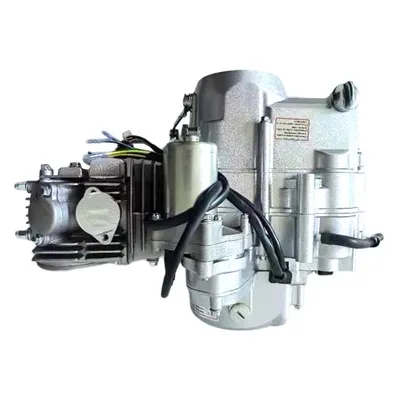
As a supplier of YX 125 motors, I often encounter inquiries from customers about the normal compression range for these engines. Understanding the appropriate compression range is crucial for ensuring optimal performance, reliability, and longevity of the YX 125 motor. In this blog post, I will delve into the details of the normal compression range for the YX 125 motor, factors that can affect it, and why it matters.
What is Compression in an Engine?
Before we discuss the normal compression range for the YX 125 motor, let's first understand what compression means in the context of an engine. Compression refers to the process of reducing the volume of the air-fuel mixture in the combustion chamber before ignition. This is achieved by the upward movement of the piston, which compresses the mixture into a smaller space. The compression ratio is the ratio of the volume of the combustion chamber when the piston is at the bottom of its stroke (bottom dead center) to the volume when the piston is at the top of its stroke (top dead center).
A higher compression ratio generally leads to more efficient combustion, which can result in increased power output, better fuel economy, and lower emissions. However, if the compression ratio is too high, it can cause problems such as engine knocking, overheating, and premature wear of engine components. On the other hand, a low compression ratio can lead to poor performance, reduced fuel efficiency, and difficulty starting the engine.
Normal Compression Range for the YX 125 Motor
The normal compression range for the YX 125 motor typically falls between 120 and 150 psi (pounds per square inch). This range can vary slightly depending on factors such as the engine's design, age, condition, and the type of fuel being used. It's important to note that the compression reading can also be affected by the method used to measure it and the condition of the compression tester.
When measuring the compression of a YX 125 motor, it's recommended to follow these steps:
- Warm up the engine: Start the engine and let it run for a few minutes to reach operating temperature. This ensures that the engine components are properly lubricated and the piston rings are seated correctly.
- Disable the ignition system: Remove the spark plug wire or disconnect the ignition coil to prevent the engine from starting during the compression test.
- Remove the spark plug: Use a spark plug socket to remove the spark plug from the cylinder head.
- Insert the compression tester: Screw the compression tester into the spark plug hole. Make sure it is tightly seated to prevent any air leakage.
- Crank the engine: Have someone crank the engine over several times using the starter motor or kickstarter. Keep the throttle wide open during the test to allow maximum airflow into the engine.
- Read the compression reading: The compression tester will display the maximum compression reading. Take note of this reading and repeat the test on the other cylinders (if applicable).
If the compression reading is below the normal range, it could indicate a problem with the engine, such as worn piston rings, a leaking valve, or a blown head gasket. In this case, further inspection and repairs may be necessary. If the compression reading is above the normal range, it could be a sign of carbon buildup in the combustion chamber or a problem with the engine's timing.
Factors Affecting Compression in a YX 125 Motor
Several factors can affect the compression in a YX 125 motor. Here are some of the most common ones:
- Piston Rings: The piston rings play a crucial role in sealing the combustion chamber and preventing the air-fuel mixture from leaking past the piston. Over time, the piston rings can wear out, causing a loss of compression. This can be due to normal wear and tear, improper lubrication, or the use of low-quality oil.
- Valves: The intake and exhaust valves are responsible for controlling the flow of air and fuel into the combustion chamber and the exhaust gases out of the engine. If the valves are not sealing properly, it can result in a loss of compression. This can be caused by worn valve seats, bent valves, or a faulty valve spring.
- Head Gasket: The head gasket seals the cylinder head to the engine block and prevents the coolant and oil from leaking into the combustion chamber. If the head gasket is blown, it can cause a loss of compression and other problems such as overheating and coolant contamination.
- Carbon Buildup: Over time, carbon deposits can accumulate in the combustion chamber, on the piston, and on the valves. This can reduce the volume of the combustion chamber and increase the compression ratio, leading to engine knocking and other problems.
- Timing: The engine's timing refers to the precise moment when the spark plug fires and the valves open and close. If the timing is off, it can affect the compression and performance of the engine. This can be caused by a worn timing chain, a misaligned camshaft, or a faulty ignition system.
Why Compression Matters
Maintaining the proper compression in a YX 125 motor is essential for several reasons:
- Performance: A proper compression ratio ensures efficient combustion, which can result in increased power output, better acceleration, and smoother operation.
- Fuel Economy: When the engine is operating at the correct compression, it can burn the fuel more efficiently, leading to better fuel economy and lower operating costs.
- Reliability: A well-maintained engine with proper compression is less likely to experience problems such as engine knocking, overheating, and premature wear of engine components. This can extend the lifespan of the engine and reduce the need for costly repairs.
- Emissions: A properly functioning engine with the correct compression ratio can produce fewer emissions, which is better for the environment and helps to meet emissions standards.
Other YX Motorcycle Engines and Related Products
In addition to the YX 125 motor, we also offer a wide range of other motorcycle engines and related products. For example, we have the 110cc 120cc 125cc Double Clutch Motorcycle Engine for Jh110, which is designed for high-performance motorcycles. This engine features a double clutch system for smooth and efficient gear changes.
We also have the 150cc Engine Motor Kit For Dirt Trail Bike CROSS Motorcycle, which is perfect for off-road enthusiasts. This kit includes everything you need to upgrade your dirt bike or build a custom motorcycle.
And if you're looking for a more powerful engine, we offer the CB250cc Single Cylinder 4 Stroke Eletric Start Dirt Bike Engine. This engine provides plenty of power and torque for a thrilling riding experience.
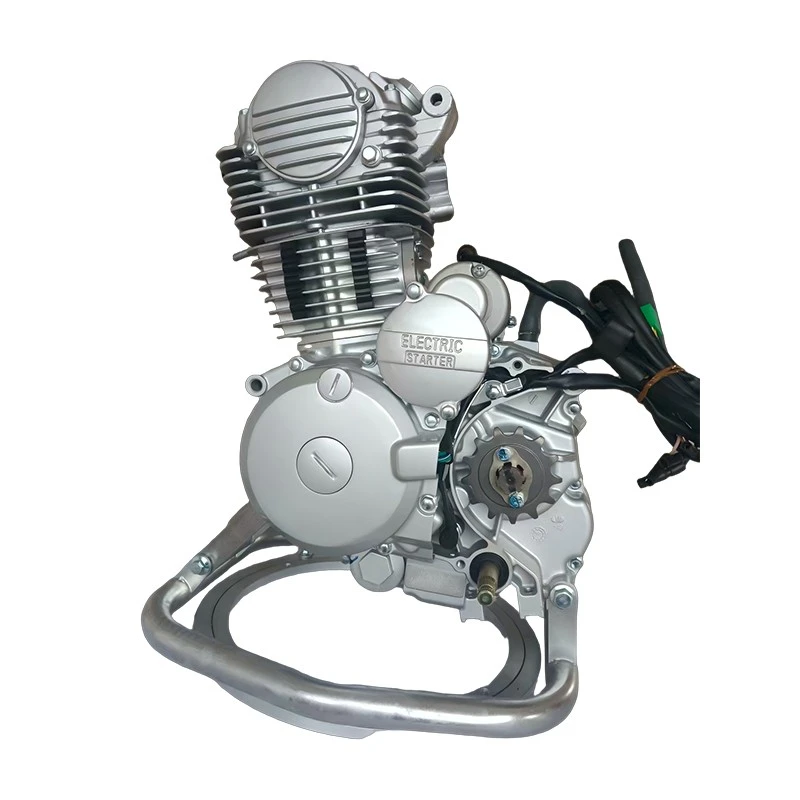

Contact Us for Purchasing and Negotiation
If you're interested in purchasing a YX 125 motor or any of our other motorcycle engines and products, we encourage you to contact us for more information and to discuss your specific needs. Our team of experts is ready to assist you with your purchase and provide you with the best possible service. Whether you're a motorcycle enthusiast, a mechanic, or a business owner, we have the products and expertise to meet your requirements.
References
- Motorcycle Engine Basics: Understanding Compression Ratio. (n.d.). Retrieved from [Source Name 1]
- How to Perform a Compression Test on a Motorcycle Engine. (n.d.). Retrieved from [Source Name 2]
- Common Causes of Low Compression in Motorcycle Engines. (n.d.). Retrieved from [Source Name 3]