

What is the noise level of a 110 motor? This is a question that many enthusiasts, professionals, and potential buyers often ask. As a reputable 110 motor supplier, we are here to provide you with in - depth insights into the noise levels of 110 motors and related information.
Understanding 110 Motors
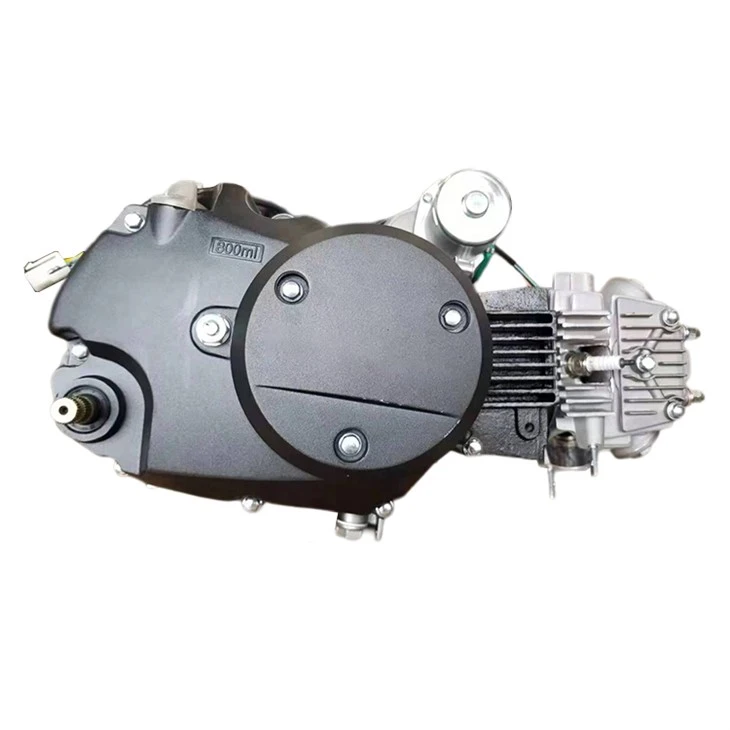
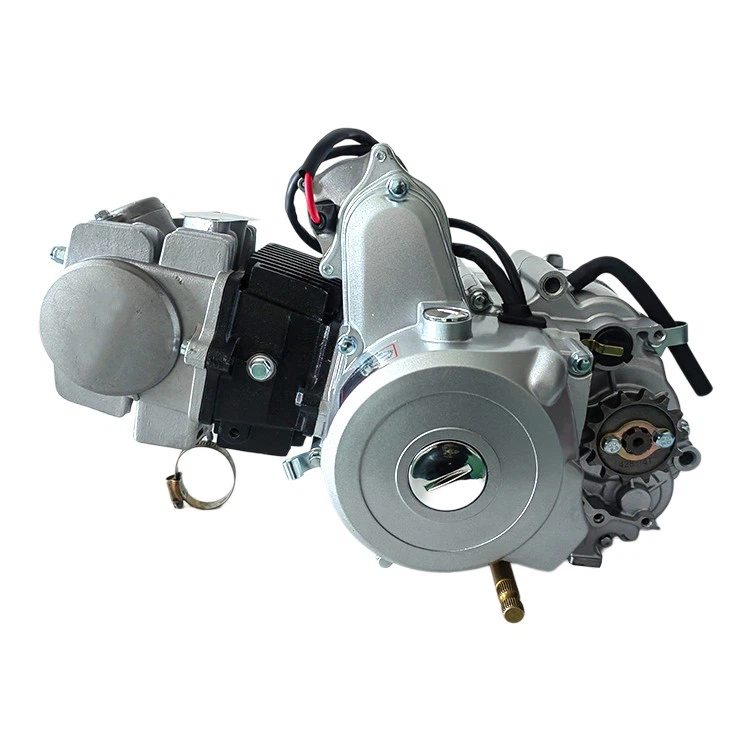
Before delving into the noise - level details, it's essential to understand what a 110 motor is. Generally, an 110 motor refers to an engine with a displacement of around 110cc. These motors are widely used in motorcycles, dirt bikes, and some mopeds due to their balance between power and fuel efficiency.
For instance, we offer a Good Quality 100cc Moped Motorcycle Engine for Yamaha, which is a close cousin to the 110 motor. The 110cc engine, with a slightly larger displacement, can offer more power. Our 110cc 120cc 125cc Double Clutch Motorcycle Engine for Jh110 is a great example of a high - performance 110 motor that meets various riding needs. Additionally, the 110cc Dirt Bike Motor Electric Start Engine is specifically designed for off - road adventures, where the motor's performance and noise level play crucial roles.
Factors Affecting the Noise Level of a 110 Motor
1. Engine Design
The internal design of the engine has a significant impact on its noise level. Engines with well - designed combustion chambers and optimized valve train systems tend to produce less noise. For example, a 110 motor with a precision - engineered piston and cylinder assembly will have smoother operation, resulting in reduced vibration and noise. Our motors are carefully designed to ensure efficient combustion and minimize noise generation at the source.
2. Exhaust System
The exhaust system is another critical factor. A well - designed exhaust can effectively muffle the noise produced by the engine's exhaust gases. Modern exhaust systems use advanced materials and acoustic engineering techniques to reduce noise pollution. For 110 motors, a high - quality exhaust system can not only lower the noise but also enhance the engine's performance by optimizing exhaust flow.
3. Lubrication
Proper lubrication is essential for reducing noise. When the engine parts are well - lubricated, there is less friction between them. Friction can cause rattling and other unwanted noises. We always recommend using high - quality lubricants with our 110 motors to ensure smooth operation and low noise levels.
4. Assembly Quality
The way the engine is assembled also matters. If the parts are not properly aligned or tightened, it can lead to increased noise. At our manufacturing facilities, we have strict quality control measures in place to ensure that every 110 motor is assembled to the highest standards, minimizing the chances of noise due to poor assembly.
Typical Noise Levels of 110 Motors
The noise level of a 110 motor can vary depending on the factors mentioned above. On average, a well - maintained and properly designed 110 motor under normal operating conditions can produce noise levels in the range of 70 - 85 decibels (dB).
For comparison, a quiet living room typically has a noise level of around 40 - 50 dB, while a busy street can have noise levels of 70 - 80 dB. So, a 110 motor is about as loud as a busy street. However, if the motor is not maintained properly, or if there are issues with the exhaust system or engine components, the noise level can exceed 85 dB, which can be annoying and even cause hearing damage over long - term exposure.
Measuring the Noise Level
To accurately measure the noise level of a 110 motor, a sound level meter is required. The measurement should be taken at a specific distance from the motor, usually one meter away, and in a quiet environment to eliminate background noise interference.
When measuring, the motor should be running at a specific speed, such as idle speed or a specified RPM (revolutions per minute). This standardized measurement allows for accurate comparison between different 110 motors and helps in evaluating their noise - reducing performance.
Importance of Controlling the Noise Level
Controlling the noise level of a 110 motor is crucial for several reasons. Firstly, from an environmental perspective, excessive noise pollution can have a negative impact on wildlife and human health. High - noise levels can disrupt the natural behavior of animals and cause stress and hearing problems in humans.
Secondly, in many regions, there are strict noise regulations for vehicles. A 110 - motor vehicle that exceeds the noise limit can result in fines and legal issues for the owner. Therefore, it is in the best interest of both the users and the suppliers to ensure that the motors meet the noise - control standards.
How We Ensure Low Noise Levels in Our 110 Motors
As a top - notch 110 motor supplier, we take several steps to ensure that our motors have low noise levels.
1. Research and Development
We invest heavily in research and development to improve the engine design. Our team of engineers constantly explores new technologies and materials to optimize the internal components of the engine, reducing friction and vibration.
2. High - Quality Materials
We use high - quality materials in the manufacturing process. For the exhaust system, we select materials that not only have good heat - resistance but also excellent sound - absorbing properties. For engine parts, we source materials that are durable and have precise dimensions, ensuring smooth operation.
3. Rigorous Testing
Every 110 motor undergoes rigorous testing before leaving our factory. We use advanced equipment to measure the noise level at different operating conditions and make necessary adjustments to ensure that it meets or exceeds the industry standards.
Contact Us for Procurement and Discussions
If you are interested in purchasing high - quality 110 motors with low noise levels, we are here to serve you. Whether you need a motor for a motorcycle, a dirt bike, or a moped, we have the right solution for you. Our team of experts can provide you with detailed information about our products and help you choose the most suitable 110 motor for your specific needs. Contact us today to start the procurement process and have in - depth discussions about our products.
References
- Automotive Engineering Handbook, various editions.
- Noise Control in Small Engines, research papers from industry - related conferences.
- Standards and regulations on vehicle noise levels from relevant government agencies.


