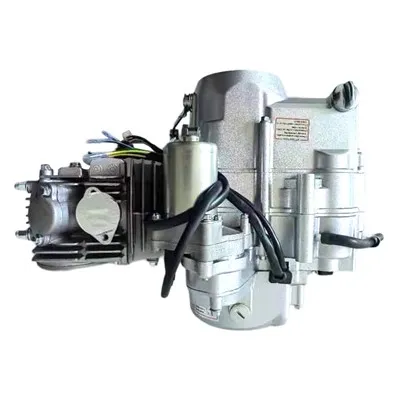
What is the idle speed of the CG150 engine?
As a supplier of CG150 engines, I often receive inquiries from customers about various aspects of these engines, and one question that comes up frequently is about the idle speed of the CG150 engine. In this blog, I'll delve into what idle speed means, the typical idle speed of the CG150 engine, factors that can affect it, and how to adjust it if necessary.
Understanding Idle Speed
Idle speed refers to the rotational speed of an engine when it is running but not under load. In simpler terms, it's the speed at which the engine turns when the vehicle is stationary, with the transmission in neutral, and the throttle is not being pressed. The idle speed is crucial for several reasons. Firstly, it ensures that the engine runs smoothly without stalling. If the idle speed is too low, the engine may not have enough power to keep itself running and could shut off. On the other hand, if the idle speed is too high, it can lead to increased fuel consumption, excessive wear and tear on engine components, and a noisier operation.
Typical Idle Speed of the CG150 Engine
The typical idle speed of a CG150 engine usually ranges from 1200 to 1500 revolutions per minute (RPM). This range has been carefully calibrated by the engine manufacturers to provide a balance between smooth operation, fuel efficiency, and emissions control. At this idle speed, the engine can maintain a stable combustion process, ensuring that all cylinders are firing properly and that the engine is ready to respond when the throttle is opened.
However, it's important to note that the exact idle speed can vary depending on several factors. For example, engines that are equipped with different types of carburetors or fuel injection systems may have slightly different idle speed requirements. Additionally, environmental conditions such as temperature and altitude can also affect the idle speed. In colder temperatures, the engine may require a higher idle speed to ensure smooth starting and operation, while at higher altitudes, where the air is thinner, the engine may need to adjust its idle speed to compensate for the reduced oxygen supply.
Factors Affecting the Idle Speed of the CG150 Engine
- Carburetor or Fuel Injection System: The carburetor or fuel injection system is responsible for mixing the right amount of fuel and air to be fed into the engine cylinders. If the carburetor is dirty or clogged, or if the fuel injection system is malfunctioning, it can disrupt the fuel - air mixture, leading to an incorrect idle speed. For example, a dirty carburetor may not allow enough fuel to enter the engine at idle, causing the idle speed to drop.
- Air Filter: A dirty or clogged air filter can restrict the airflow into the engine. This can lead to a rich fuel - air mixture (too much fuel and not enough air), which can cause the idle speed to increase. Regularly cleaning or replacing the air filter is essential to maintain the proper idle speed.
- Spark Plugs: Worn or fouled spark plugs can cause misfires in the engine. When a cylinder misfires, it can disrupt the engine's smooth operation and affect the idle speed. Replacing spark plugs at the recommended intervals can help ensure a stable idle speed.
- Throttle Cable: A loose or misadjusted throttle cable can prevent the throttle valve from closing fully, resulting in a higher idle speed. It's important to check the throttle cable regularly and adjust it if necessary.
Adjusting the Idle Speed of the CG150 Engine
If you find that the idle speed of your CG150 engine is not within the normal range, it may be necessary to adjust it. However, it's important to note that adjusting the idle speed should be done with caution, as an improper adjustment can cause more problems.
- Locate the Idle Speed Screw: In most CG150 engines, the idle speed screw is located on the carburetor. It is usually a small screw that can be turned with a screwdriver.
- Warm Up the Engine: Before making any adjustments, it's important to warm up the engine to its normal operating temperature. This ensures that the engine components have expanded to their proper size and that the engine is running under normal conditions.
- Use a Tachometer: A tachometer is a device that measures the engine's RPM. It's highly recommended to use a tachometer when adjusting the idle speed to ensure that you are setting it to the correct value.
- Make Small Adjustments: Turn the idle speed screw in small increments, either clockwise to increase the idle speed or counter - clockwise to decrease it. After each adjustment, wait a few seconds for the engine to stabilize and then check the RPM on the tachometer.
- Test the Engine: Once you have adjusted the idle speed to the correct value, test the engine by revving the throttle slightly and then letting it return to idle. The engine should return to the set idle speed smoothly without stalling or surging.
Our CG150 Engines
As a supplier, we offer a wide range of high - quality CG150 engines. Our engines are designed and manufactured to meet the highest standards of performance and reliability. We have Cg150 Cg200 Cg250 Motorcycle Engine Tricycle Engine with Balance Shaft, which are equipped with a balance shaft to reduce vibrations and provide a smoother ride. Our Cg125 Cg150 Tricycle Engine Air Cool for Three Wheels are air - cooled, which makes them suitable for various applications. And our Cg150 Cg200 Cg250 Motorcycle Engine Tricycle Engine With Balance Shaft are produced in our state - of - the - art factory, ensuring consistent quality.
Contact Us for Purchasing
If you are in the market for a CG150 engine, we invite you to contact us for more information and to discuss your specific requirements. Whether you are a motorcycle enthusiast, a tricycle manufacturer, or a distributor, we have the right engine for you. Our team of experts is ready to assist you in selecting the best engine for your needs and to provide you with excellent after - sales service.


References
- Motorcycle Engine Manuals
- Automotive Engineering Textbooks
- Industry Reports on Small - Displacement Engines