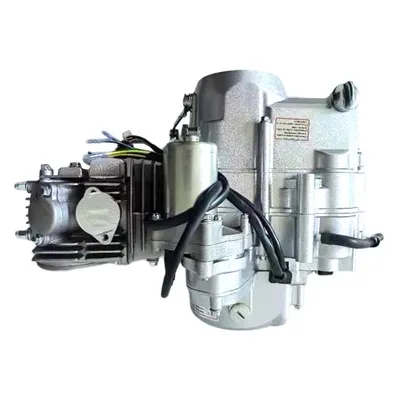
As a supplier of the CG150 engine, I am often asked about its heat dissipation efficiency. This is a crucial aspect of engine performance, as overheating can lead to a range of problems, from reduced power output to permanent damage. In this blog post, I will delve into the factors that affect the heat dissipation efficiency of the CG150 engine and explain how it compares to other engines in its class.
Understanding Heat Dissipation in Engines
Before we discuss the CG150 engine specifically, it's important to understand the basic principles of heat dissipation in engines. When an engine is running, it generates a significant amount of heat due to the combustion process. This heat needs to be dissipated effectively to prevent the engine from overheating. There are several ways in which engines dissipate heat:
- Conduction: Heat is transferred from the hot parts of the engine, such as the cylinders and pistons, to the cooler parts, such as the engine block and coolant.
- Convection: Coolant circulates through the engine, absorbing heat and carrying it away to the radiator, where it is dissipated into the air.
- Radiation: Heat is radiated from the engine's surfaces into the surrounding environment.
The efficiency of these heat dissipation methods depends on several factors, including the design of the engine, the materials used, and the cooling system.


Factors Affecting the Heat Dissipation Efficiency of the CG150 Engine
The CG150 engine is a popular choice for motorcycles and tricycles due to its reliability and performance. When it comes to heat dissipation efficiency, several factors come into play:
- Engine Design: The design of the CG150 engine plays a crucial role in its heat dissipation efficiency. The engine features a compact design with a relatively small surface area, which can make it more challenging to dissipate heat. However, the engine is also designed with fins on the cylinders and cylinder head, which increase the surface area and improve heat dissipation through convection.
- Cooling System: The CG150 engine typically uses an air-cooled cooling system, which relies on the flow of air over the fins to dissipate heat. This type of cooling system is simple and reliable, but it may not be as effective as a liquid-cooled system in extreme conditions. However, the air-cooled system is also lighter and more cost-effective, making it a popular choice for many applications.
- Materials Used: The materials used in the construction of the CG150 engine can also affect its heat dissipation efficiency. The engine block and cylinder head are typically made of aluminum, which is a good conductor of heat. This helps to transfer heat away from the engine and improve cooling.
- Operating Conditions: The operating conditions of the CG150 engine can also have a significant impact on its heat dissipation efficiency. For example, if the engine is operating at high speeds or under heavy loads, it will generate more heat and require more effective cooling. Similarly, if the engine is operating in hot or humid conditions, the cooling system may be less effective.
Comparing the Heat Dissipation Efficiency of the CG150 Engine to Other Engines
When comparing the heat dissipation efficiency of the CG150 engine to other engines in its class, it's important to consider the specific application and operating conditions. In general, the CG150 engine's heat dissipation efficiency is comparable to other air-cooled engines of similar size and power. However, it may not be as effective as a liquid-cooled engine in extreme conditions.
One advantage of the CG150 engine's air-cooled system is its simplicity and reliability. The air-cooled system has fewer components than a liquid-cooled system, which means there are fewer things that can go wrong. Additionally, the air-cooled system is lighter and more cost-effective, making it a popular choice for many applications.
On the other hand, liquid-cooled engines are generally more effective at dissipating heat, especially in extreme conditions. Liquid-cooled engines use a coolant to absorb heat from the engine and transfer it to the radiator, where it is dissipated into the air. This type of cooling system is more complex and expensive than an air-cooled system, but it can provide more consistent and effective cooling.
Improving the Heat Dissipation Efficiency of the CG150 Engine
If you are looking to improve the heat dissipation efficiency of your CG150 engine, there are several things you can do:
- Keep the Fins Clean: The fins on the cylinders and cylinder head of the CG150 engine are designed to increase the surface area and improve heat dissipation. Over time, these fins can become clogged with dirt and debris, which can reduce their effectiveness. To improve heat dissipation, it's important to keep the fins clean by regularly washing them with a soft brush and water.
- Use High-Quality Coolant: If your CG150 engine uses a liquid-cooled system, it's important to use high-quality coolant that is designed for your engine. Using the wrong type of coolant can reduce the effectiveness of the cooling system and lead to overheating.
- Maintain the Cooling System: Regular maintenance of the cooling system is essential for ensuring optimal heat dissipation. This includes checking the coolant level, inspecting the radiator and hoses for leaks, and replacing the coolant at the recommended intervals.
- Avoid Overloading the Engine: Overloading the engine can cause it to generate more heat than the cooling system can handle. To prevent overheating, it's important to avoid overloading the engine and to operate it within its recommended limits.
Conclusion
In conclusion, the heat dissipation efficiency of the CG150 engine is influenced by several factors, including its design, cooling system, materials used, and operating conditions. While the CG150 engine's air-cooled system is simple and reliable, it may not be as effective as a liquid-cooled system in extreme conditions. However, by taking proper care of the engine and following the tips outlined in this blog post, you can improve its heat dissipation efficiency and ensure optimal performance.
If you are interested in purchasing a CG150 engine or have any questions about its heat dissipation efficiency, please feel free to contact us. We are a leading supplier of Cg150 Cg200 Cg250 Motorcycle Engine Tricycle Engine With Balance Shaft, Cg150 150cc Motorcycle Engine for Zongshen Enging Assembly, and ATV Dirt Bike Motorcycle 4 Stroke 250cc Cg250 Air-cooled Engine for Yx Lf. Our team of experts is available to assist you with your purchasing decision and provide you with the information you need to make an informed choice.
References
- Automotive Engineering Handbook, SAE International
- Motorcycle Engine Design and Performance, Richard A. Miller