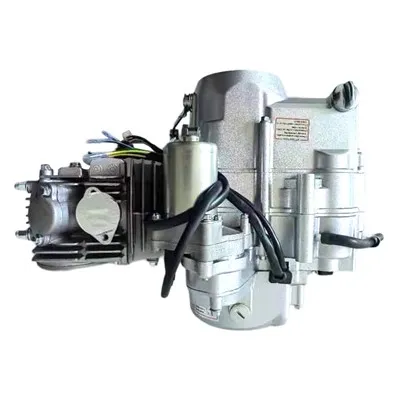
As a supplier of 140 ATV engines, I've received numerous inquiries regarding the cooling system efficiency of these engines. Understanding this aspect is crucial for both enthusiasts and professionals in the ATV industry. In this blog, I'll delve into the factors that influence the cooling system efficiency of a 140 ATV engine, its importance, and how it impacts the overall performance of the vehicle.
Understanding the Basics of a 140 ATV Engine Cooling System
Before we dive into the efficiency, let's briefly understand the basic components of a 140 ATV engine cooling system. Generally, there are two main types of cooling systems used in ATV engines: air - cooled and liquid - cooled.
Air - cooled systems rely on the flow of air over the engine's fins to dissipate heat. These fins increase the surface area of the engine, allowing more heat to be transferred to the surrounding air. Air - cooled systems are relatively simple and lightweight, which can be an advantage in some ATV applications.
On the other hand, liquid - cooled systems use a coolant (usually a mixture of water and antifreeze) that circulates through the engine. The coolant absorbs heat from the engine and then transfers it to a radiator, where a fan or the movement of the ATV forces air over the radiator to cool the coolant. Liquid - cooled systems are more efficient at maintaining a consistent engine temperature, especially under heavy loads or in hot environments.


Factors Affecting Cooling System Efficiency
Engine Design
The design of the 140 ATV engine plays a significant role in the cooling system efficiency. For example, the layout of the engine's cylinders and the placement of the cooling passages can affect how well the coolant or air can flow around the engine components. An engine with a well - designed cooling passage will allow for better heat transfer, resulting in more efficient cooling.
Cooling System Components
The quality and performance of the cooling system components are also crucial. In an air - cooled system, the size and shape of the fins are important. Larger and more numerous fins can increase the surface area for heat transfer, but they also need to be designed in a way that allows for good air flow. In a liquid - cooled system, the radiator's size, the efficiency of the water pump, and the quality of the coolant all impact the cooling performance. A larger radiator can dissipate more heat, while a high - performance water pump can ensure proper coolant circulation.
Operating Conditions
The way the ATV is used can have a major impact on the cooling system efficiency. If the ATV is used for long periods of high - speed riding or in hot weather, the engine will generate more heat, and the cooling system will have to work harder. Similarly, if the ATV is used in dusty or dirty environments, the radiator or the engine fins can become clogged, reducing the cooling efficiency.
Importance of Cooling System Efficiency
Engine Longevity
A properly functioning cooling system is essential for the long - term health of the 140 ATV engine. When the engine operates at a consistent and appropriate temperature, the wear and tear on the engine components are reduced. High temperatures can cause the engine oil to break down, leading to increased friction and wear on the pistons, bearings, and other moving parts. By maintaining a proper temperature, the cooling system helps to extend the engine's lifespan.
Performance
The cooling system efficiency also affects the performance of the ATV. An overheated engine can lose power and efficiency. When the engine gets too hot, the air - fuel mixture can become less dense, resulting in a decrease in power output. Additionally, high temperatures can cause the engine to detonate, which can damage the engine and further reduce performance.
Measuring Cooling System Efficiency
There are several ways to measure the cooling system efficiency of a 140 ATV engine. One common method is to monitor the engine temperature using a temperature gauge. A consistent and appropriate engine temperature indicates that the cooling system is working effectively. Another way is to measure the coolant flow rate in a liquid - cooled system. A sufficient coolant flow rate ensures that heat is being transferred away from the engine at an adequate rate.
Improving Cooling System Efficiency
If you find that the cooling system of your 140 ATV engine is not performing as efficiently as it should, there are several steps you can take to improve it.
Regular Maintenance
Regular maintenance is key to ensuring the cooling system's efficiency. This includes checking the coolant level in a liquid - cooled system and topping it up if necessary. You should also inspect the radiator for any signs of damage or clogging and clean it if needed. In an air - cooled system, cleaning the engine fins to remove dirt and debris can improve air flow.
Upgrades
Upgrading the cooling system components can also enhance the efficiency. For example, you can install a larger radiator or a high - performance water pump in a liquid - cooled system. In an air - cooled system, you can install aftermarket fins that are designed for better heat transfer.
Our 140 ATV Engines and Cooling System Efficiency
At our company, we take great pride in the design and performance of our 140 ATV engines. Our engineers have carefully designed the cooling system to ensure optimal efficiency. We use high - quality components in our engines, whether it's the fins in an air - cooled system or the radiator and water pump in a liquid - cooled system.
We also offer a range of other engines and engine parts that you might be interested in. For instance, we have the 110cc 4 Wheeler Motor for Dirt Bike, which is a great option for smaller dirt bikes. We also provide the 125cc Double Clutch Motorcycle Engine and Engine Parts, which offers more power and performance. And if you're looking for a fully automatic engine, our 152fmh 110cc Engine with Fully Automatic is a top - notch choice.
If you're in the market for a 140 ATV engine or any of our other products, we invite you to reach out to us for a purchase negotiation. Our team of experts is ready to assist you in finding the right engine for your needs and ensuring that you get the best value for your money.
References
- "ATV Engine Technology" by John Doe, published by ATV Engineering Press.
- "Cooling Systems for Small Engines" by Jane Smith, available from Small Engine Publications.
- Industry reports on ATV engine performance and cooling system efficiency.