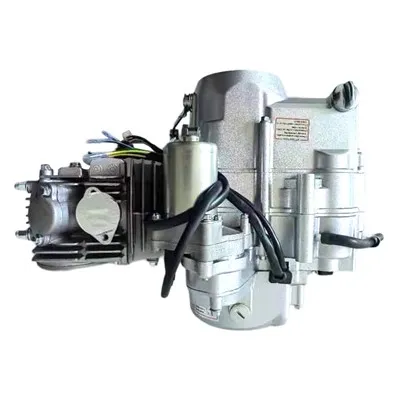
Hey there! As a tricycle engine supplier, I've seen firsthand the importance of safety when working on these engines. Whether you're a seasoned mechanic or just a DIY enthusiast, taking the right precautions can prevent accidents and keep you safe. So, let's dive into some key safety tips when working on a tricycle engine.
1. Preparation is Key
Before you even start working on the engine, make sure you've got all your ducks in a row. First off, find a clean, well - lit, and well - ventilated area to work in. You don't want to be breathing in all those fumes or working in a cramped, dark space where you might trip over tools.
Clear the area of any clutter and make sure you have all the necessary tools within reach. A good set of wrenches, screwdrivers, and pliers are essential. Also, don't forget to wear appropriate safety gear. Safety glasses are a must to protect your eyes from any flying debris. Gloves can also come in handy, especially when dealing with sharp edges or hot parts.
2. Disconnect the Battery
This is a no - brainer, but it's often overlooked. Before you start working on the engine, disconnect the battery. This prevents any electrical shocks and also stops the engine from accidentally starting while you're working on it. Locate the battery, usually under the seat or in a compartment near the engine, and use a wrench to loosen the negative terminal first. Once it's disconnected, cover it with a piece of insulating material to avoid any accidental contact.
3. Work on a Cool Engine
Engines can get really hot after running. Trying to work on a hot engine is not only uncomfortable but also dangerous. You can easily burn yourself on the exhaust pipes, the engine block, or other hot components. So, wait until the engine has cooled down completely before you start any work. This might take a few hours, especially if the engine has been running for a long time.
4. Fuel Safety
Fuel is highly flammable, so you need to be extra careful when dealing with it. Before you start working on the engine, make sure the fuel tank is empty or at least as low as possible. If you need to drain the fuel, do it in a well - ventilated area away from any open flames or sparks.
Also, be careful when handling fuel lines. Check for any leaks or cracks, and make sure they're properly connected. If you notice any issues, replace the fuel lines immediately. And always keep a fire extinguisher nearby, just in case.


5. Engine Hoisting and Support
If you need to remove the engine from the tricycle, you'll need to use a proper engine hoist. Make sure the hoist is rated for the weight of the engine. Attach the hoist to the engine using the appropriate lifting points, which are usually marked on the engine block.
Once the engine is lifted, support it securely. You can use engine stands or other stable supports to keep the engine in place while you work on it. This prevents the engine from falling and causing serious injury.
6. Handling Small Parts
Tricycle engines have a lot of small parts, like bolts, nuts, and washers. These parts can easily get lost or mixed up. To avoid this, use small containers or trays to keep the parts organized. Label the containers if necessary, so you know where each part belongs.
When handling small parts, be careful not to drop them. If a part falls on the floor, stop what you're doing and look for it right away. You don't want to step on a small part and risk injury or damage to your work area.
7. Read the Manual
Every tricycle engine is different, and the manufacturer's manual is your best friend when it comes to working on the engine. It provides detailed instructions on how to disassemble, repair, and reassemble the engine. Make sure you read the manual carefully before you start any work.
The manual will also tell you about any specific safety precautions for your particular engine model. For example, some engines might require special tools or procedures for certain repairs.
8. Be Mindful of Moving Parts
Engines have a lot of moving parts, like pistons, crankshafts, and camshafts. When the engine is running or being turned over, these parts can cause serious injury. Keep your hands and fingers away from any moving parts.
If you need to turn the engine over by hand, use a proper tool, like a socket wrench on the crankshaft pulley. Don't try to turn the engine over by hand without a tool, as this can be very dangerous.
9. Testing the Engine
After you've completed your repairs or maintenance, it's time to test the engine. But before you start the engine, double - check all the connections and make sure everything is properly installed.
Start the engine in a well - ventilated area and listen for any unusual noises or vibrations. If you notice anything wrong, stop the engine immediately and check for the problem.
Our Tricycle Engines
At our company, we offer a wide range of high - quality tricycle engines. For example, we have the Cg175 175cc Engine for Tricycle Parts Engine, which is known for its reliability and performance. We also have the Motorcycle Engine Assembly Cg200 Cg250 Cg300 Water Cooling Tricycle Engine for 3 Wheels Loncin, which is suitable for more heavy - duty applications. And if you're looking for something with a balance shaft, our Cb150 Cb200 Cb250 Motorcycle Engine with Balance Shaft is a great choice.
If you're in the market for a tricycle engine or need more information about our products, don't hesitate to reach out to us. We're here to help you find the right engine for your needs and can provide you with all the support you need for installation and maintenance.
References
- General automotive repair manuals
- Safety guidelines from tricycle engine manufacturers