

As a supplier of the YX 125 motor, I've encountered numerous customers facing oil leakage issues. Oil leakage not only affects the performance and lifespan of the motor but also poses potential safety risks. In this blog, I'll share some practical troubleshooting steps to help you address oil leakage problems with the YX 125 motor.
Understanding the Basics of Oil Leakage
Before we dive into the troubleshooting process, it's essential to understand the common causes of oil leakage in the YX 125 motor. Oil leakage can occur due to various reasons, including worn-out gaskets, loose bolts, damaged seals, or excessive oil pressure. Identifying the root cause is crucial for effective troubleshooting.
Step 1: Visual Inspection
The first step in troubleshooting oil leakage is to conduct a thorough visual inspection of the motor. Start by cleaning the motor to remove any dirt or debris that may be masking the source of the leakage. Then, carefully examine the motor for any signs of oil stains or drips. Pay close attention to the following areas:
- Gaskets and Seals: Check the gaskets and seals around the engine block, cylinder head, oil pan, and valve cover. Look for any signs of wear, damage, or misalignment. A damaged gasket or seal can allow oil to escape, leading to leakage.
- Bolts and Nuts: Inspect all the bolts and nuts on the motor to ensure they are properly tightened. Loose bolts can cause gaps between the components, allowing oil to seep through.
- Oil Filter: Examine the oil filter for any signs of damage or leakage. A faulty oil filter can cause oil to leak from the filter housing.
- Oil Drain Plug: Check the oil drain plug to ensure it is tightly secured. A loose or damaged oil drain plug can cause oil to leak from the bottom of the motor.
Step 2: Pressure Testing
If the visual inspection does not reveal the source of the leakage, the next step is to perform a pressure test. A pressure test involves pressurizing the motor's oil system to identify any leaks. To perform a pressure test, you will need a pressure tester and an air compressor.
- Prepare the Motor: Before performing the pressure test, make sure the motor is cold and the oil level is at the recommended level. Remove the oil filler cap and the oil pressure sensor.
- Connect the Pressure Tester: Connect the pressure tester to the oil pressure port on the motor. Make sure the connection is tight and secure.
- Pressurize the System: Use the air compressor to pressurize the oil system to the recommended pressure. The recommended pressure can usually be found in the motor's service manual.
- Inspect for Leaks: While the system is pressurized, carefully inspect the motor for any signs of oil leakage. Pay close attention to the areas identified during the visual inspection. If you notice any leaks, mark the location for further investigation.
Step 3: Identifying the Source of the Leakage
Once you have identified the general area of the leakage, the next step is to pinpoint the exact source. This may require disassembling certain components of the motor to access the affected area. Here are some common sources of oil leakage and how to identify them:
- Gaskets and Seals: If the leakage is coming from a gasket or seal, you may need to replace it. To do this, carefully remove the old gasket or seal and clean the mating surfaces. Apply a thin layer of gasket sealant to the new gasket or seal and install it in place. Make sure the gasket or seal is properly aligned and tightened.
- Bolts and Nuts: If the leakage is due to loose bolts or nuts, simply tighten them to the recommended torque specification. Use a torque wrench to ensure the bolts are tightened evenly.
- Oil Filter: If the leakage is coming from the oil filter, replace the filter with a new one. Make sure to lubricate the rubber gasket on the new filter before installing it.
- Oil Drain Plug: If the leakage is due to a loose or damaged oil drain plug, replace the plug and tighten it to the recommended torque specification.
Step 4: Repairing the Leakage
Once you have identified and confirmed the source of the leakage, it's time to repair it. The repair process will depend on the nature and severity of the leakage. Here are some common repair methods:
- Replacing Gaskets and Seals: If the leakage is due to a damaged gasket or seal, replace it with a new one. Make sure to use a high-quality gasket or seal that is compatible with the YX 125 motor.
- Tightening Bolts and Nuts: If the leakage is due to loose bolts or nuts, tighten them to the recommended torque specification. Use a torque wrench to ensure the bolts are tightened evenly.
- Repairing Damaged Components: If the leakage is due to a damaged component, such as a cracked oil pan or a faulty oil pump, the component may need to be repaired or replaced. In some cases, it may be more cost-effective to replace the entire component rather than attempting to repair it.
Step 5: Testing the Repair
After repairing the leakage, it's important to test the motor to ensure the problem has been resolved. Start the motor and let it run for a few minutes, checking for any signs of oil leakage. If the motor runs smoothly and there are no signs of leakage, the repair was successful.
Preventing Future Oil Leakage
Once you have resolved the oil leakage problem, it's important to take steps to prevent it from happening again. Here are some tips to help you prevent oil leakage in the YX 125 motor:
- Regular Maintenance: Follow the motor's recommended maintenance schedule, including oil changes, filter replacements, and gasket inspections. Regular maintenance can help prevent oil leakage by keeping the motor in good condition.
- Use High-Quality Parts: When replacing gaskets, seals, or other components, make sure to use high-quality parts that are compatible with the YX 125 motor. Using low-quality parts can increase the risk of oil leakage.
- Proper Installation: When installing new gaskets, seals, or other components, make sure to follow the manufacturer's instructions carefully. Improper installation can cause oil leakage.
- Monitor the Oil Level: Regularly check the oil level in the motor and add oil as needed. Low oil levels can cause the motor to overheat and increase the risk of oil leakage.
Related Products
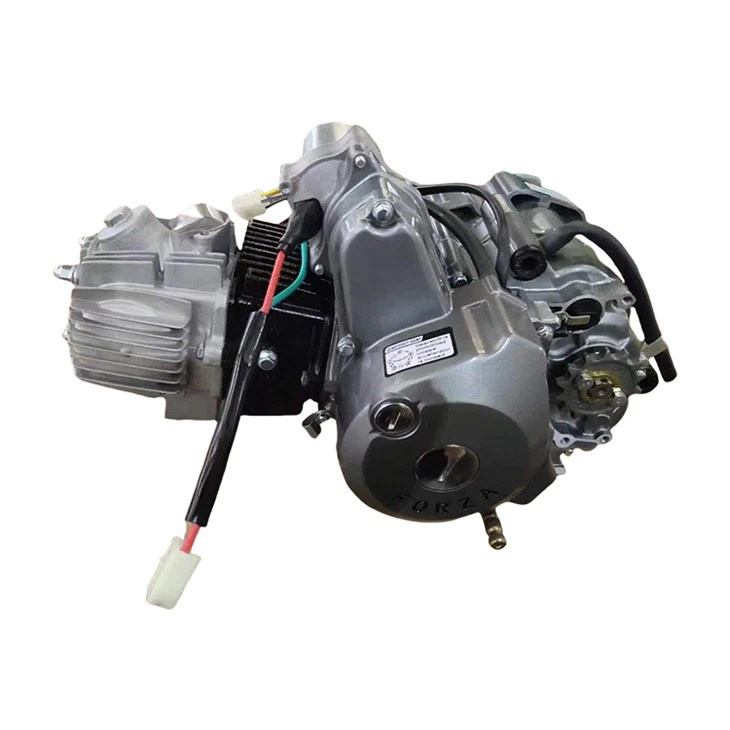
If you are looking for other motorcycle engine options, we also offer a variety of high-quality engines, including the 110cc Engine Motor Kit Semi Auto For Honda ATC 70 CT90 CT110 Z50 CRF50 XR, the 110cc Dirt Bike Motor Electric Start Engine, and the 110cc 120cc 125cc Double Clutch Motorcycle Engine for Jh110. These engines are designed to provide reliable performance and are suitable for a variety of applications.

Conclusion
Oil leakage is a common problem that can affect the performance and lifespan of the YX 125 motor. By following the troubleshooting steps outlined in this blog, you can identify and resolve oil leakage problems quickly and effectively. Remember to perform regular maintenance on your motor to prevent oil leakage from occurring in the first place. If you have any questions or need further assistance, please don't hesitate to contact us for more information or to discuss your purchasing needs.
References
- YX 125 Motor Service Manual
- Motorcycle Engine Repair Guides


