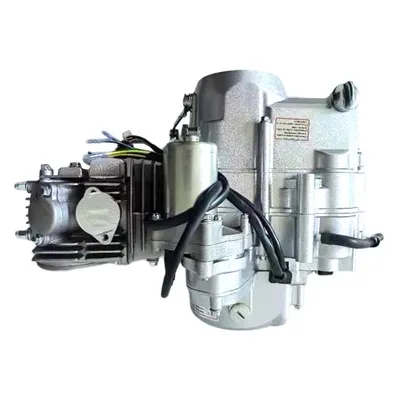
As a seasoned motorcycle engine supplier, I understand the importance of proper engine storage. Whether you're a motorcycle enthusiast looking to store your engine during the off - season or a mechanic keeping engines in stock, correct storage methods can significantly extend the engine's lifespan and maintain its performance. In this blog, I'll share some professional tips on how to store a motorcycle engine properly.
1. Preparation Before Storage
Cleaning the Engine
Before storing the engine, it's crucial to give it a thorough cleaning. Dirt, grime, and debris can cause corrosion and damage over time. Use a mild degreaser and a soft brush to clean the exterior of the engine. Pay special attention to hard - to - reach areas such as around the cylinder heads and the oil pan. Rinse the engine with clean water and dry it completely with a clean cloth. This step not only helps prevent corrosion but also makes it easier to inspect the engine for any signs of damage.
Inspecting for Damage
A detailed inspection is necessary before storage. Check for any visible cracks, leaks, or loose parts. Examine the gaskets, seals, and hoses for wear and tear. If you find any issues, it's best to address them before storing the engine. For example, a small oil leak that goes unnoticed during storage can lead to more significant problems down the line. If you're unsure about the condition of the engine, it might be a good idea to consult a professional mechanic.
Draining Fluids
Draining the fluids from the engine is an essential step in proper storage. First, drain the engine oil. Old oil can contain contaminants and acids that can corrode the engine's internal components. Use an oil drain pan to collect the oil and follow proper disposal procedures. Next, drain the coolant. Coolant can freeze in cold temperatures, causing damage to the engine block and radiator. If your engine has a fuel tank, drain the fuel as well. Stored fuel can break down over time and leave behind deposits that can clog the fuel system.
2. Protecting Internal Components
Fogging the Engine
Fogging the engine is a great way to protect the internal components from corrosion. Fogging oil creates a thin protective film on the cylinder walls, pistons, and other internal parts. To fog the engine, remove the spark plug and spray the fogging oil into the spark plug hole while cranking the engine over a few times. This ensures that the oil is distributed evenly throughout the combustion chamber.
Lubricating Moving Parts
Apply a light coat of lubricant to all moving parts such as the camshaft, valves, and bearings. This helps prevent rust and keeps the parts in good working condition. Use a high - quality lubricant that is suitable for motorcycle engines. Be careful not to over - lubricate, as excess lubricant can attract dust and dirt.
3. Choosing the Right Storage Location
Temperature and Humidity
The storage location should have a stable temperature and low humidity. Extreme temperatures can cause the engine's metal components to expand and contract, which can lead to cracks and other damage. High humidity can promote corrosion. A climate - controlled storage unit is ideal, but if that's not available, a dry garage or shed can work. Avoid storing the engine in areas that are prone to flooding or where the temperature fluctuates widely.


Protection from Physical Damage
The engine should be stored in a place where it is protected from physical damage. Keep it away from heavy machinery, tools, and other objects that could potentially fall on or hit the engine. If possible, store the engine on a sturdy stand or pallet to keep it off the ground and prevent it from being damaged by moisture or pests.
4. Packaging the Engine
Wrapping the Engine
Once the engine is cleaned, inspected, and protected, it's time to wrap it. Use a high - quality plastic wrap or a specialized engine storage cover. The wrap should be thick enough to protect the engine from dust, dirt, and moisture. Make sure the wrap is tightly sealed around the engine to prevent any air or moisture from getting in.
Labeling the Package
Label the package with important information such as the engine model, serial number, and the date of storage. This makes it easier to identify the engine later and keep track of its storage history.
5. Regular Checks During Storage
Visual Inspections
Even when the engine is in storage, it's important to perform regular visual inspections. Check the engine for any signs of corrosion, leaks, or damage. Look for any changes in the condition of the protective wrap or packaging. If you notice any issues, take appropriate action immediately.
Rotating the Engine
Periodically rotate the engine's crankshaft to prevent the pistons from sticking in one position. This also helps distribute the lubricant evenly throughout the engine. Rotate the crankshaft a few times every few months to keep the engine in good condition.
6. Our Product Recommendations
At our company, we offer a wide range of high - quality motorcycle engines. For example, the TS300 Two - stroke 300CC Engine Assembly For KTM300 is a powerful and reliable engine that is suitable for various motorcycle models. It features advanced technology and high - performance components, ensuring a smooth and efficient ride.
Another popular product is the CB150 CB200 Engine 150 Dirt Bike Engine Kit For Yinxiang All Kinds Of Two - wheeled Motorcycles. This engine kit is designed to provide excellent power and durability, making it a great choice for dirt bike enthusiasts.
If you're looking for a smaller engine, the Semi - auto Clutch Kick Start Lf 90cc Dirt Bike Engine is a great option. It's lightweight and easy to handle, perfect for beginners or those looking for a more economical choice.
7. Conclusion and Call to Action
Properly storing a motorcycle engine is essential for maintaining its performance and longevity. By following the steps outlined in this blog, you can ensure that your engine stays in top condition during storage. If you're in the market for a new motorcycle engine or have any questions about engine storage, feel free to reach out to us. We're here to help you make the right choice and provide you with the best products and services.
References
- Motorcycle Engine Maintenance Manuals
- Industry - standard guides on engine storage and maintenance