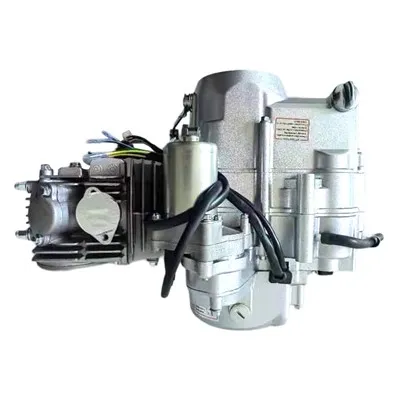
As a reputable 48cc engine supplier, I've encountered numerous inquiries about engine maintenance and repair. One common question that frequently pops up is how to replace the crankshaft in a 48cc engine. In this blog post, I'll guide you through the step - by - step process of replacing the crankshaft in a 48cc engine, sharing insights and tips gathered from years of experience in the industry.
Understanding the Crankshaft's Role
Before delving into the replacement process, it's crucial to understand the significance of the crankshaft in a 48cc engine. The crankshaft is a vital component that converts the reciprocating motion of the pistons into rotational motion. This rotational motion is then transferred to the transmission and ultimately powers the vehicle or equipment. A damaged or worn - out crankshaft can lead to poor engine performance, reduced power output, and even engine failure.
Tools and Materials Needed
To replace the crankshaft in a 48cc engine, you'll need the following tools and materials:
- Socket and wrench set
- Screwdrivers (flat - head and Phillips)
- Engine stand or vise
- Piston ring compressor
- Gasket scraper
- New crankshaft (compatible with your 48cc engine)
- Gaskets and seals
- Engine oil
- Cleaning solvent
- Rags
Step 1: Preparation
First, ensure that the engine is completely cooled down. This is essential to prevent burns and to avoid any potential damage to the engine components due to heat. Disconnect the battery to prevent any electrical hazards. Place the engine on an engine stand or secure it in a vise. This will provide stability and make it easier to work on the engine.
Step 2: Drain the Engine Oil
Locate the oil drain plug at the bottom of the engine. Place an oil pan beneath the drain plug and remove the plug using a wrench. Allow the engine oil to drain completely. Once the oil has drained, replace the drain plug and tighten it securely.
Step 3: Remove the Cylinder Head and Piston
Use a socket and wrench set to remove the bolts holding the cylinder head in place. Carefully lift the cylinder head off the engine block. You may need to use a gasket scraper to remove any old gasket material from the cylinder head and engine block surfaces.
Next, remove the piston from the cylinder. Loosen the piston pin clip using a pair of pliers and slide the piston pin out. With the piston pin removed, you can lift the piston out of the cylinder. Be careful not to damage the piston rings or the cylinder walls.
Step 4: Remove the Connecting Rod
Locate the connecting rod that connects the piston to the crankshaft. Remove the bolts that hold the connecting rod cap in place. Carefully lift the connecting rod cap off and set it aside. You can now slide the connecting rod and piston assembly off the crankshaft.
Step 5: Remove the Crankshaft
The crankshaft is usually held in place by main bearings and caps. Use a socket and wrench set to remove the bolts holding the main bearing caps. As you remove each cap, make sure to mark them so that you can reinstall them in the correct position.
Once all the main bearing caps are removed, carefully lift the crankshaft out of the engine block. Take note of the orientation of the crankshaft and any shims or spacers that may be present.
Step 6: Inspect and Clean the Engine Components
Before installing the new crankshaft, inspect the engine block, main bearings, and other components for any signs of damage or wear. Look for scoring, pitting, or excessive wear on the bearing surfaces. If any components are damaged, they should be replaced.
Clean all the engine components using a cleaning solvent and a rag. Make sure to remove all dirt, debris, and old oil from the components. This will ensure proper installation and optimal performance of the new crankshaft.
Step 7: Install the New Crankshaft
Carefully lower the new crankshaft into the engine block, making sure it is properly aligned with the main bearing journals. Install the main bearing caps in the correct position, using the marks you made during removal. Tighten the main bearing cap bolts to the manufacturer's specifications.
Step 8: Reassemble the Engine
Reinstall the connecting rod and piston assembly onto the crankshaft. Make sure the connecting rod is properly aligned with the crankshaft journal and that the piston rings are installed correctly. Use a piston ring compressor to compress the piston rings and slide the piston into the cylinder.
Install the cylinder head, using a new gasket. Tighten the cylinder head bolts to the manufacturer's specifications in a criss - cross pattern.
Step 9: Refill the Engine Oil
Pour the recommended amount of engine oil into the engine through the oil filler hole. Check the oil level using the dipstick and make sure it is within the proper range.
Step 10: Test the Engine
Reconnect the battery and start the engine. Listen for any unusual noises or vibrations. Check for any oil leaks around the engine. If everything seems to be in order, let the engine run for a few minutes to warm up and then turn it off.
Additional Considerations
During the process of replacing the crankshaft, you may come across various engine models that require specific attention. For instance, if you're interested in other engine options, we also offer a wide range of high - quality engines, such as the 140CC Horizontal Engine Oil Cooled Motorblok Engine For Yinxiang, the 140cc Engine Assembly for Lifan 140 Air - cooled for Off - road Motorcycle, and the TS300 Two - stroke 300CC Engine Assembly For KTM300. These engines are designed to meet different performance requirements and can be a great choice for your specific needs.
Conclusion
Replacing the crankshaft in a 48cc engine is a complex but achievable task with the right tools, knowledge, and patience. By following the steps outlined in this blog post, you can successfully replace the crankshaft and restore your engine's performance. If you have any questions or need further assistance, don't hesitate to contact us. We're here to support you with all your engine needs and to help you make the best purchasing decisions. Whether you're looking for a replacement crankshaft or a new engine, we can provide you with high - quality products and expert advice. Feel free to reach out to us for more information and to start a procurement discussion.


References
- Automotive Engine Repair Manuals
- Manufacturer's Specifications for 48cc Engines