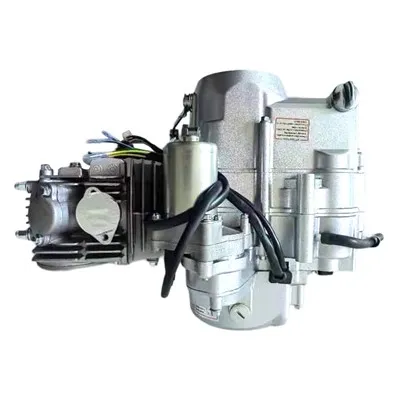
As a supplier of 110cc clutches, I've received numerous inquiries from riders and mechanics about how to improve the pedal feel of these clutches. A good pedal feel is crucial for a smooth and enjoyable riding experience, as it directly affects the ease of gear shifting and the overall control of the motorcycle. In this blog post, I'll share some practical tips and techniques based on my experience in the industry to help you enhance the pedal feel of your 110cc clutch.
Understanding the Basics of a 110cc Clutch
Before we dive into the methods of improving the pedal feel, it's important to have a basic understanding of how a 110cc clutch works. The clutch is a critical component in a motorcycle's transmission system that allows the rider to engage and disengage the engine from the transmission. When the clutch pedal is pressed, the clutch plates separate, interrupting the power flow from the engine to the wheels. Releasing the pedal engages the clutch plates, transferring power and allowing the motorcycle to move forward.
The pedal feel of a clutch is determined by several factors, including the design of the clutch mechanism, the quality of the clutch components, and the adjustment of the clutch cable or hydraulic system. A poor pedal feel can manifest as a stiff or spongy pedal, difficulty in disengaging or engaging the clutch, or inconsistent gear shifting.

Inspect and Replace Worn Clutch Components
One of the most common causes of a poor pedal feel is worn or damaged clutch components. Over time, the clutch plates, springs, and bearings can wear out, leading to a decrease in performance and a change in the pedal feel. Regular inspection of these components is essential to ensure optimal clutch operation.
- Clutch Plates: The clutch plates are responsible for transmitting power from the engine to the transmission. Worn or glazed clutch plates can cause slippage, making it difficult to engage the clutch smoothly. If you notice signs of excessive wear, such as uneven surfaces or a burnt smell, it's time to replace the clutch plates. You can find high-quality Motorcycle Parts Start Shaft Assy and other related components on our website to ensure a proper replacement.
- Clutch Springs: The clutch springs provide the necessary pressure to engage the clutch plates. Weak or broken springs can result in a soft or inconsistent pedal feel. Check the springs for signs of damage or wear, and replace them if necessary.
- Clutch Bearings: The clutch bearings support the clutch assembly and allow it to rotate smoothly. Worn or damaged bearings can cause noise, vibration, and a stiff pedal feel. Inspect the bearings for play or roughness, and replace them if needed.
Adjust the Clutch Cable or Hydraulic System
Proper adjustment of the clutch cable or hydraulic system is crucial for maintaining a good pedal feel. A loose or tight clutch cable can affect the engagement and disengagement of the clutch, while a hydraulic system with air bubbles or low fluid levels can cause a spongy pedal feel.
- Clutch Cable Adjustment: If your motorcycle is equipped with a cable-operated clutch, you can adjust the clutch cable to achieve the desired pedal feel. Start by locating the clutch cable adjuster, which is usually located near the clutch lever or at the clutch housing. Loosen the locknut and turn the adjuster to increase or decrease the cable tension. Aim for a small amount of free play in the clutch lever, typically around 10-20mm. Once you've made the adjustment, tighten the locknut to secure the cable.
- Hydraulic System Maintenance: For motorcycles with a hydraulic clutch system, it's important to keep the fluid level topped up and free of air bubbles. Check the hydraulic fluid reservoir regularly and add fluid if necessary. If you notice a spongy pedal feel, you may need to bleed the hydraulic system to remove any air bubbles. Follow the manufacturer's instructions for bleeding the system, which usually involves opening the bleed valve and allowing the fluid to flow until all the air is removed.
Upgrade to High-Performance Clutch Components
If you're looking for a more significant improvement in the pedal feel, consider upgrading to high-performance clutch components. These components are designed to provide better performance, durability, and a more responsive pedal feel.
- Performance Clutch Plates: High-performance clutch plates are made from advanced materials that offer better friction characteristics and heat resistance. They can provide a more positive engagement and smoother shifting, resulting in a improved pedal feel.
- Heavy-Duty Clutch Springs: Heavy-duty clutch springs are designed to provide more pressure, which can help to reduce slippage and improve the pedal feel. They are particularly useful for motorcycles that are used for racing or heavy-duty applications.
- Performance Clutch Lever: A performance clutch lever can offer better leverage and a more comfortable grip, making it easier to operate the clutch. Look for a lever that is adjustable and made from high-quality materials for optimal performance.
Lubricate the Clutch Mechanism
Proper lubrication of the clutch mechanism is essential for smooth operation and a good pedal feel. Over time, dirt, debris, and moisture can accumulate in the clutch assembly, causing friction and wear. Regular lubrication can help to reduce friction, prevent corrosion, and extend the life of the clutch components.
- Clutch Cable Lubrication: If your motorcycle has a cable-operated clutch, lubricate the clutch cable regularly to ensure smooth movement. Use a high-quality cable lubricant and apply it to the cable at the adjuster and along its length.
- Clutch Housing Lubrication: The clutch housing contains the clutch plates, springs, and bearings, and it's important to keep it lubricated to prevent wear and noise. Check the manufacturer's recommendations for the appropriate lubricant and apply it to the clutch housing as directed.
Consider the Carburetor and Gear Shift Lever
The performance of the carburetor and gear shift lever can also have an impact on the pedal feel of the clutch. A properly tuned carburetor can ensure smooth engine operation, while a well-designed gear shift lever can make it easier to shift gears.
- Carburetor Tuning: A dirty or poorly tuned carburetor can cause rough idling, poor acceleration, and a difficult pedal feel. Clean the carburetor regularly and adjust the air-fuel mixture to ensure optimal performance. You can find a wide range of Motorcycle Fuel Carburetor Pz 19 Pz20 Pz22 on our website to help you with the tuning process.
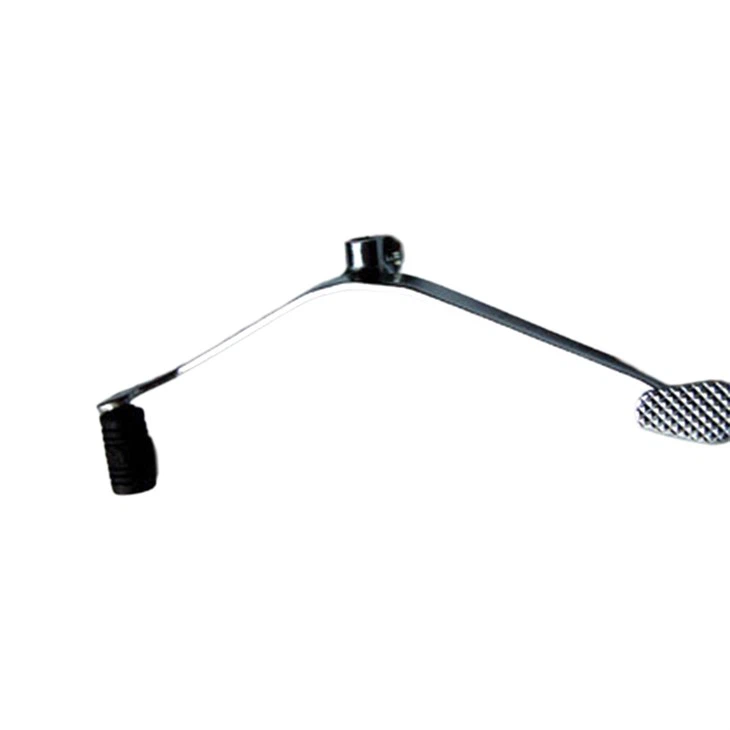
- Gear Shift Lever Upgrade: A worn or poorly designed gear shift lever can make it difficult to shift gears smoothly, which can affect the overall pedal feel. Consider upgrading to a high-quality Motorcycle Change Pedal Gear Shift Lever that offers better leverage and a more comfortable grip.
Conclusion
Improving the pedal feel of a 110cc clutch requires a combination of regular maintenance, proper adjustment, and the use of high-quality components. By following the tips and techniques outlined in this blog post, you can enhance the performance of your clutch and enjoy a smoother, more comfortable riding experience.
If you have any questions or need further assistance with improving the pedal feel of your 110cc clutch, please don't hesitate to contact us. We are a leading supplier of 110cc clutches and other motorcycle parts, and we are committed to providing our customers with the best products and services. Whether you're a professional mechanic or a DIY enthusiast, we have the expertise and resources to help you find the right solutions for your needs. Contact us today to start a procurement discussion and take your motorcycle's performance to the next level.
References
- Motorcycle Repair Manuals
- Industry Publications on Motorcycle Clutch Systems