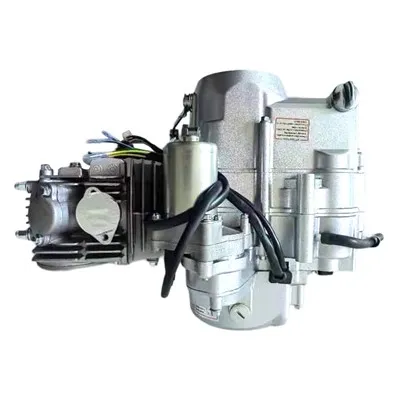
A 50cc clutch that won't disengage can be a frustrating issue for motorcycle owners, but fear not! As a trusted 50cc clutch supplier, I've navigated through numerous clutch problems and am here to share my expertise. In this blog post, we'll delve into the possible causes of a non - disengaging 50cc clutch and guide you through the steps to fix it.
Possible Causes of a Non - Disengaging Clutch
1. Worn Clutch Plates
Over time, the friction material on the clutch plates can wear down. When the clutch plates are worn, they may not separate properly when the clutch lever is pulled. This is because the reduced friction material thickness can prevent the necessary clearance from occurring between the plates, causing the engine to still transmit power to the transmission even when the clutch is supposed to be disengaged.
2. Stuck or Binding Clutch Cable
The clutch cable plays a crucial role in transmitting the force from the clutch lever to the clutch mechanism. If the cable is dirty, rusty, or has a kink, it may not operate smoothly. A stuck cable will not be able to fully pull the clutch plates apart, leading to a clutch that won't disengage.

3. Incorrect Clutch Adjustment
Proper adjustment of the clutch is essential for its smooth operation. If the clutch is adjusted too tight, the plates may not fully separate. On the other hand, if it is adjusted too loose, the clutch may slip. Incorrect adjustment can be due to improper installation or normal wear and tear over time.
4. Hydraulic Clutch Issues (if applicable)
For motorcycles with a hydraulic clutch system, air in the hydraulic lines can cause problems. Air bubbles can compress, reducing the pressure that should be transmitted to the clutch actuator. This can result in the clutch not disengaging fully. Additionally, a worn or damaged master cylinder or slave cylinder can also lead to clutch operation issues.
5. Debris in the Clutch Assembly
Dirt, metal shavings, or other debris can accumulate in the clutch assembly. This debris can prevent the clutch plates from moving freely and separating properly. It might come from the normal wear of the clutch components or from external sources.
How to Fix a 50cc Clutch That Won't Disengage
Step 1: Check the Clutch Cable
First, visually inspect the clutch cable for any signs of damage, such as fraying or kinking. If the cable looks dirty, clean it with a mild degreaser and a clean cloth. You can also lubricate the cable with a suitable cable lubricant to ensure smooth operation. Check the cable adjustment at both ends - the lever end and the clutch end. There should be a small amount of free play in the lever. If the cable is too tight, loosen the adjustment nut at the clutch end until the correct free play is achieved. If the cable is severely damaged, it's best to replace it with a new one.
Step 2: Adjust the Clutch
To adjust the clutch, locate the clutch adjustment mechanism. This is usually a nut or screw near the clutch assembly. If the clutch is too tight, turn the adjustment nut or screw counter - clockwise to loosen it. If it's too loose, turn it clockwise to tighten. After making the adjustment, check the clutch operation by pulling the lever. The clutch should disengage smoothly, and the engine should be able to idle without the motorcycle moving forward.
Step 3: Inspect the Clutch Plates
If the cable and adjustment are not the problem, it's time to inspect the clutch plates. This requires removing the clutch cover, which is typically located on the side of the engine. Once the cover is off, visually inspect the clutch plates for wear. If the friction material is worn down to the metal, the plates need to be replaced. You can also check the thickness of the plates using a feeler gauge. If they are below the manufacturer's recommended thickness, replacement is necessary.
Step 4: Deal with Hydraulic Clutch Issues (if applicable)
If your 50cc motorcycle has a hydraulic clutch, start by checking the fluid level in the master cylinder. If it's low, top it up with the recommended hydraulic fluid. Then, bleed the hydraulic system to remove any air bubbles. To bleed the system, locate the bleed screw on the slave cylinder. Attach a clear plastic tube to the bleed screw and place the other end in a container filled with hydraulic fluid. Open the bleed screw slightly and slowly pull the clutch lever a few times to force the air out through the tube. Close the bleed screw when you no longer see air bubbles in the tube.
Step 5: Clean the Clutch Assembly
If debris is suspected to be the cause of the problem, carefully clean the clutch assembly. Use a clean, lint - free cloth and a mild solvent to remove dirt and debris from the clutch plates, pressure plate, and other components. Make sure to dry all the components thoroughly before reassembling.
Other Related Parts and Links
When you are dealing with clutch issues, you may also want to check other related parts in the engine. We also offer high - quality motorcycle parts such as the Motorcycle Crankshaft With Connecting Rod For CD70 110CC CG125 CG250, Crankcase Body For 152FMH 110cc 125cc Engines Motorcycle Spare Parts, and Motorcycle Engine Spare Parts Cylinder Block Comp. These parts are crucial for the overall performance of your motorcycle engine and can sometimes be related to clutch problems.
Conclusion and Call to Action
Fixing a 50cc clutch that won't disengage may seem daunting at first, but with the right knowledge and a bit of patience, it can be done. By following the steps outlined in this blog post, you can diagnose and solve the problem on your own. As a 50cc clutch supplier, we are committed to providing high - quality clutch products and reliable technical support. If you have any further questions about clutch repair or are interested in purchasing our 50cc clutches or other motorcycle parts, feel free to reach out to us for a detailed discussion. We look forward to helping you keep your motorcycle running smoothly.
References
- Motorcycle repair manuals for 50cc motorcycles
- Industry - related technical articles on clutch systems