

As a trusted supplier of 110 cylinders, I understand the importance of proper maintenance and cleaning for these essential components. A clean 110 cylinder not only ensures optimal performance but also extends the lifespan of your engine. In this blog post, I will share a comprehensive guide on how to clean a 110 cylinder effectively.
Why Cleaning Your 110 Cylinder Matters
Before diving into the cleaning process, it's crucial to understand why regular cleaning is necessary. Over time, dirt, debris, carbon deposits, and oil residues can accumulate inside the cylinder. These contaminants can cause a variety of problems, including reduced engine efficiency, increased wear and tear on engine components, and even engine failure in severe cases. By cleaning your 110 cylinder regularly, you can prevent these issues and keep your engine running smoothly.
Tools and Materials You'll Need
To clean a 110 cylinder, you'll need the following tools and materials:
- Safety Equipment: Safety goggles, gloves, and a respirator to protect yourself from harmful chemicals and debris.
- Cleaning Solvent: A high-quality engine cleaning solvent that is safe for use on aluminum and other engine components.
- Brushes: Various sizes of brushes, including a cylinder brush, wire brush, and toothbrush, to remove dirt and debris from hard-to-reach areas.
- Rags: Clean, lint-free rags for wiping down the cylinder and drying it after cleaning.
- Compressed Air: A can of compressed air or an air compressor to blow out any remaining debris from the cylinder.
- Cylinder Hone: If necessary, a cylinder hone to remove any stubborn carbon deposits or scratches from the cylinder walls.
Step-by-Step Cleaning Process
Now that you have all the necessary tools and materials, let's walk through the step-by-step process of cleaning a 110 cylinder:
Step 1: Remove the Cylinder
The first step is to remove the 110 cylinder from the engine. This typically involves removing the cylinder head, piston, and connecting rod. Refer to your engine's service manual for specific instructions on how to remove the cylinder.
Step 2: Inspect the Cylinder
Once the cylinder is removed, carefully inspect it for any signs of damage, such as cracks, scratches, or excessive wear. If you notice any damage, it's important to address it before proceeding with the cleaning process.
Step 3: Disassemble the Cylinder
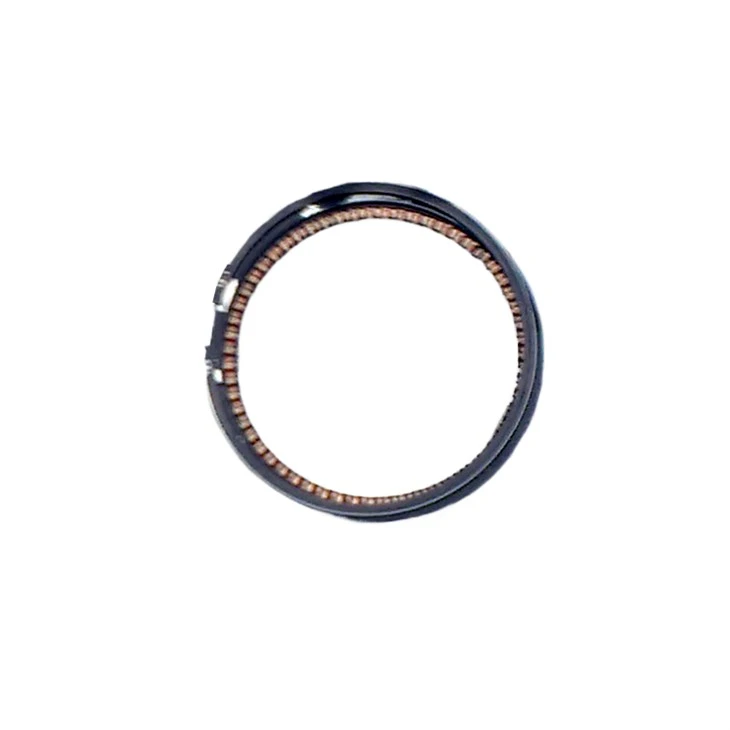
Next, disassemble the cylinder by removing any remaining components, such as the valve guides, valve seats, and piston rings. Be sure to keep all the components organized and labeled to make reassembly easier.
Step 4: Soak the Cylinder in Cleaning Solvent
Fill a container with the engine cleaning solvent and submerge the cylinder in the solvent. Let the cylinder soak for at least 30 minutes to allow the solvent to break down the dirt and debris.
Step 5: Scrub the Cylinder
After soaking, use the brushes to scrub the cylinder thoroughly, paying special attention to the cylinder walls, ports, and other hard-to-reach areas. Use the wire brush to remove any stubborn carbon deposits or debris.

Step 6: Rinse the Cylinder
Once you've scrubbed the cylinder, rinse it thoroughly with clean water to remove any remaining cleaning solvent and debris. Use a hose or a bucket of water to rinse the cylinder, making sure to get all the nooks and crannies.
Step 7: Dry the Cylinder
After rinsing, use a clean, lint-free rag to dry the cylinder completely. You can also use compressed air to blow out any remaining water from the cylinder.
Step 8: Hone the Cylinder (if necessary)
If you notice any stubborn carbon deposits or scratches on the cylinder walls, you may need to hone the cylinder to remove them. Use a cylinder hone to carefully hone the cylinder walls, following the manufacturer's instructions.
Step 9: Reassemble the Cylinder
Once the cylinder is clean and dry, reassemble it by installing the valve guides, valve seats, piston rings, and other components. Be sure to use new gaskets and seals to prevent leaks.
Step 10: Install the Cylinder
Finally, install the cleaned and reassembled cylinder back into the engine. Follow the engine's service manual for specific instructions on how to install the cylinder.
Additional Tips and Considerations
- Use a Degreaser: If the cylinder is particularly dirty or greasy, you may want to use a degreaser before soaking it in the cleaning solvent. This will help to break down the grease and make the cleaning process easier.
- Be Careful with the Cylinder Walls: When scrubbing the cylinder walls, be careful not to scratch or damage them. Use a soft brush or a cylinder brush to avoid causing any damage.
- Inspect the Piston and Rings: While the cylinder is removed, it's a good idea to inspect the piston and rings for any signs of wear or damage. If necessary, replace the piston and rings to ensure optimal engine performance.
- Follow the Manufacturer's Instructions: Always follow the manufacturer's instructions when using cleaning solvents, cylinder hones, and other tools and materials. This will help to ensure that you clean the cylinder safely and effectively.
Related Motorcycle Parts
As a 110 cylinder supplier, we also offer a wide range of related motorcycle parts to help you keep your engine running smoothly. Check out the following links for more information:
- Motorcycle Parts Stator Coil And Rotor Magneto For 110cc Cg125
- Motorcycle Parts 70cc 110cc Pistons And Rings Kit
- Crankcase Body For 152FMH 110cc 125cc Engines Motorcycle Spare Parts
Contact Us for Procurement
If you're interested in purchasing a 110 cylinder or any of our other motorcycle parts, we'd love to hear from you. Contact us today to discuss your procurement needs and get a quote. We offer high-quality products at competitive prices, and our team of experts is always available to provide you with the support and guidance you need.
References
- Motorcycle engine service manuals
- Manufacturer's instructions for cleaning solvents and other tools and materials


