

Hey there, fellow motorcycle enthusiasts! As a supplier of motorcycle engines, I've been knee - deep in the world of these powerful machines for ages. One of the most fascinating parts of a motorcycle engine is the valve train. So, today, I'm gonna break down how a valve train works in a motorcycle engine.
Let's start with the basics. The valve train is a crucial component of an internal combustion engine. Its main job is to control the flow of air - fuel mixture into the combustion chamber and the exhaust gases out of it. Think of it as the traffic cop of the engine, making sure everything moves in and out at just the right time.
In a motorcycle engine, the valve train typically consists of several key parts: valves, camshafts, lifters, pushrods (in some designs), and rocker arms. Each of these parts plays a vital role in the operation of the engine.
First up, the valves. There are two types of valves in a motorcycle engine: intake valves and exhaust valves. The intake valves let the air - fuel mixture into the combustion chamber, while the exhaust valves allow the burnt gases to exit. These valves are like little doors that open and close at specific intervals to keep the engine running smoothly.
Now, how do these valves open and close? That's where the camshaft comes in. The camshaft is a shaft with egg - shaped lobes on it. As the camshaft rotates, these lobes push against the lifters. Lifters are small components that transfer the motion from the camshaft to the rest of the valve train.

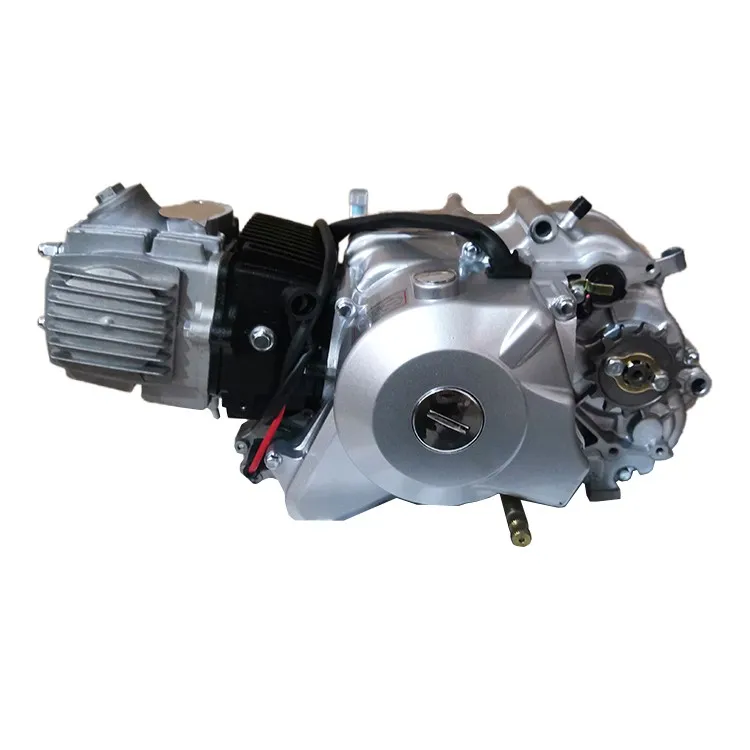
In some motorcycle engines, especially those with overhead valve (OHV) designs, pushrods are used. Pushrods are long, slender rods that transfer the motion from the lifters to the rocker arms. The rocker arms then pivot on a shaft and push down on the valves to open them. When the camshaft lobe rotates away from the lifter, the valve spring closes the valve.
In overhead camshaft (OHC) engines, which are quite common in modern motorcycles, the camshaft is located directly above the valves. This design eliminates the need for pushrods, making the valve train more compact and efficient. The camshaft lobes act directly on the valve stems or through shims to open and close the valves.
The timing of the valve opening and closing is extremely important. If the intake valve opens too early or too late, the engine won't get the right amount of air - fuel mixture. Similarly, if the exhaust valve doesn't open at the proper time, the burnt gases won't be expelled efficiently, which can lead to reduced power and poor fuel economy.
To ensure precise timing, motorcycle engines use a timing chain or belt. The timing chain or belt connects the crankshaft to the camshaft. As the crankshaft rotates, it drives the camshaft through the timing chain or belt, making sure that the camshaft rotates at exactly half the speed of the crankshaft in a four - stroke engine.
Let's talk about some of the factors that can affect the performance of the valve train. One of the main factors is the design of the camshaft. The shape and size of the camshaft lobes determine how long the valves stay open and how far they open. A camshaft with aggressive lobes can increase the engine's power output at high RPMs but may sacrifice low - end torque.
Another factor is the valve spring. Valve springs are responsible for closing the valves quickly and tightly. If the valve springs are too weak, the valves may not close properly, leading to a loss of compression and power. On the other hand, if the valve springs are too strong, they can put extra stress on the valve train components and reduce the engine's efficiency.
Now, I'd like to mention some of the products we offer as a motorcycle engine supplier. We have a great selection of engines for different types of motorcycles. For example, we have the 150cc Engine Motor Kit For Dirt Trail Bike CROSS Motorcycle. This kit is perfect for those who love off - road adventures. It provides a good balance of power and reliability, and the valve train is designed to work efficiently under tough conditions.
If you're looking for a smaller engine, we also have the 110cc Dirt Bike Motor Electric Start Engine. This engine is great for beginners or those who want a more lightweight motorcycle. The valve train in this engine is optimized for smooth operation and easy starting.
And for those who need a variety of engine sizes, we offer the High Quality 50cc/70cc/90cc/110cc Motorcycle Engine Motor for Motocicletas. These engines are known for their durability and performance, and the valve train is engineered to deliver consistent power across different RPM ranges.
In conclusion, the valve train is a complex but essential part of a motorcycle engine. Understanding how it works can help you make better decisions when it comes to choosing an engine or maintaining your motorcycle. If you're in the market for a new motorcycle engine or have any questions about our products, don't hesitate to reach out to us. We're here to help you find the perfect engine for your needs and get you back on the road in no time.
References:
- Automotive Engineering textbooks
- Motorcycle engine manufacturer manuals


