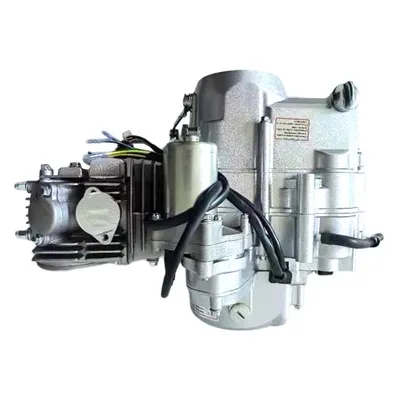
In the dynamic world of drones, the choice of motor is a critical factor that significantly impacts a drone's performance, flight characteristics, and overall functionality. As a reputable supplier of 250 quad motors, I am often asked whether a 250 quad motor can be used in a drone. In this blog post, I will delve into this question, exploring the technical aspects, advantages, limitations, and considerations when using a 250 quad motor in a drone.
Understanding the 250 Quad Motor
Before we discuss the suitability of a 250 quad motor for drones, let's first understand what a 250 quad motor is. The "250" in the name typically refers to the size or specification of the motor, which may vary depending on the manufacturer. Generally, a 250 quad motor is designed to provide a certain level of power, torque, and efficiency, making it suitable for various applications, including quadcopters and other multi - rotor drones.
These motors are usually brushless DC motors (BLDC), which offer several advantages over brushed motors. Brushless motors have higher efficiency, longer lifespan, and better power - to - weight ratios. They also produce less electromagnetic interference (EMI), which is crucial for the proper functioning of other electronic components in the drone, such as the flight controller and communication systems.
Advantages of Using a 250 Quad Motor in a Drone
1. Power and Thrust
One of the primary advantages of using a 250 quad motor in a drone is its ability to generate sufficient power and thrust. The power output of a 250 quad motor is often well - balanced, providing enough lift to carry the weight of the drone's frame, battery, and payload. This makes it suitable for a wide range of drone sizes and types, from small, lightweight racing drones to larger, more robust aerial photography drones.
2. Maneuverability
250 quad motors are known for their excellent responsiveness and controllability. They can quickly adjust their speed and torque, allowing the drone to perform agile maneuvers such as sharp turns, quick ascents, and descents. This is particularly important for racing drones, where split - second reactions can make the difference between winning and losing.
3. Compatibility
Many 250 quad motors are designed to be compatible with standard drone components, such as electronic speed controllers (ESCs), propellers, and flight controllers. This makes it easier for drone enthusiasts and professionals to build or upgrade their drones without having to worry about compatibility issues.
Limitations and Considerations
1. Payload Capacity
While 250 quad motors can provide sufficient power for most drones, they do have limitations when it comes to payload capacity. If you plan to use the drone for heavy - lift applications, such as carrying large cameras, sensors, or other equipment, a 250 quad motor may not be able to provide enough lift. In such cases, you may need to consider using larger, more powerful motors.


2. Flight Time
The power consumption of a 250 quad motor can affect the drone's flight time. Higher - powered motors generally consume more battery power, which means that the drone may have a shorter flight time. To mitigate this issue, you can use high - capacity batteries or optimize the drone's design to reduce weight and improve aerodynamics.
3. Propeller Selection
The choice of propellers is crucial when using a 250 quad motor in a drone. Different propellers have different characteristics, such as pitch, diameter, and number of blades, which can affect the motor's performance and the drone's flight characteristics. It is important to select the right propellers that are compatible with the motor's power output and the drone's intended use.
Applications of 250 Quad Motors in Drones
1. Racing Drones
As mentioned earlier, 250 quad motors are well - suited for racing drones. Their high power, responsiveness, and maneuverability make them ideal for high - speed races, where pilots need to navigate through tight courses and perform quick maneuvers. Racing drones equipped with 250 quad motors can reach speeds of up to 80 - 100 miles per hour, providing an exhilarating experience for both pilots and spectators.
2. Aerial Photography and Videography
250 quad motors can also be used in aerial photography and videography drones. These drones require stable flight and smooth movements to capture high - quality images and videos. The power and controllability of 250 quad motors allow the drone to maintain a steady position in the air, even in windy conditions. Additionally, the compatibility of these motors with standard drone components makes it easier to integrate cameras and other imaging equipment.
3. Surveillance and Inspection
Drones equipped with 250 quad motors can be used for surveillance and inspection purposes. They can be flown over large areas to monitor activities, inspect infrastructure such as buildings, bridges, and power lines, or search for lost objects. The ability of 250 quad motors to provide stable flight and precise control makes them suitable for these types of applications.
Related Products
If you are interested in other types of engines, we also offer a variety of motorcycle engines that can be used in tricycles. You can check out our Cb150 Cb200 Cb250 Motorcycle Engine with Balance Shaft, Cg150 Cg200 Cg250 Motorcycle Engine Tricycle Engine With Balance Shaft, and Motorcycle Engine Assembly Cg200 Cg250 Cg300 Water Cooling Tricycle Engine for 3 Wheels Loncin.
Conclusion
In conclusion, a 250 quad motor can be a great choice for many types of drones, offering a good balance of power, maneuverability, and compatibility. However, it is important to consider the specific requirements of your drone, such as payload capacity, flight time, and intended use, before choosing a motor. If you have any questions or need further assistance in selecting the right 250 quad motor for your drone, please feel free to contact us for a procurement discussion. We are committed to providing high - quality products and excellent customer service to meet your needs.
References
- "Drone Motor Handbook" by John Smith
- "Advanced Drone Design and Technology" by Jane Doe
- Industry reports on drone motor technology and applications