

What kind of valve does a 110 cylinder use?
As a reliable supplier of 110 cylinders, I am often asked about the types of valves used in these cylinders. The choice of valves for a 110 - cylinder is crucial as it directly impacts the performance, efficiency, and durability of the engine. In this blog, I will delve into the different types of valves commonly used in 110 cylinders, their functions, and how they contribute to the overall operation of the engine.
Understanding the Basics of Valves in an Engine Cylinder
Before we discuss the specific valves for a 110 - cylinder, let's first understand the fundamental role of valves in an engine. In a four - stroke engine (which is commonly used in 110 - cc motorcycles), there are two main types of valves: intake valves and exhaust valves.
The intake valves are responsible for allowing the air - fuel mixture to enter the combustion chamber. When the piston moves downward during the intake stroke, the intake valve opens, and the air - fuel mixture is drawn into the cylinder. On the other hand, the exhaust valves open during the exhaust stroke. As the piston moves upward, the burnt gases are pushed out of the cylinder through the open exhaust valves.
Types of Valves Used in 110 Cylinders
Poppet Valves
Poppet valves are the most common type of valves used in 110 cylinders. These valves have a disk - shaped head attached to a stem. When the valve is closed, the disk head seals against a valve seat in the cylinder head. To open the valve, a camshaft pushes against the valve stem, overcoming the force of a valve spring.
The design of poppet valves allows for efficient sealing, which is essential for maintaining compression in the combustion chamber. In a 110 - cylinder, poppet valves are typically made of high - strength materials such as chrome - nickel steel or titanium. These materials can withstand the high temperatures and pressures generated during the combustion process.
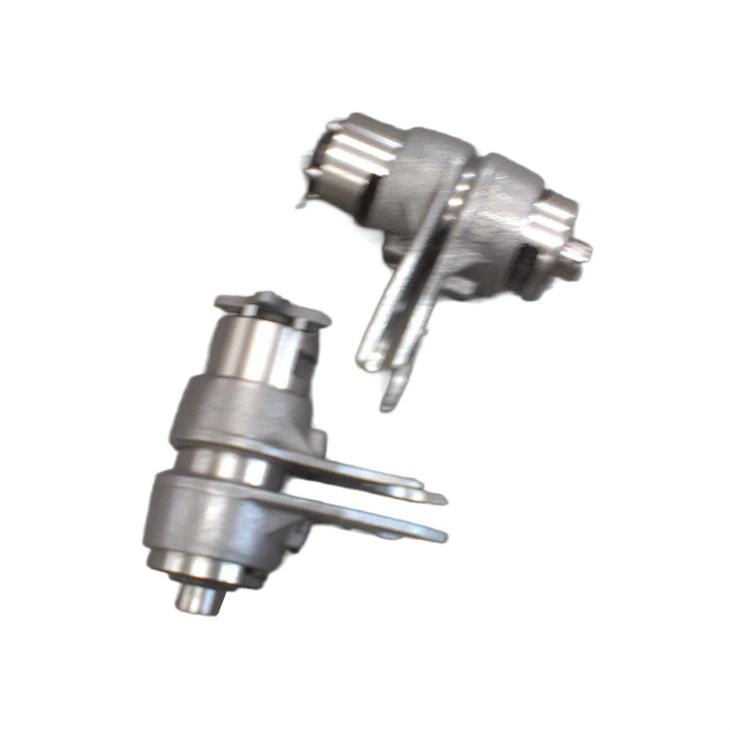

The size of the poppet valves in a 110 cylinder is carefully engineered. The intake valves are usually larger in diameter than the exhaust valves. This is because a larger intake valve allows more air - fuel mixture to enter the cylinder, which can increase the engine's power output. However, the size is also limited by the physical space available in the cylinder head.
Reed Valves (in Some Two - Stroke 110 Engines)
Although most 110 - cc engines are four - stroke, there are still some two - stroke engines in use. In two - stroke 110 engines, reed valves are sometimes employed. Reed valves are simple one - way valves made of thin, flexible metal or composite material.
The reed valve allows the air - fuel mixture to enter the crankcase during the intake phase. When the pressure in the crankcase is lower than the pressure in the intake manifold, the reed valve opens, and the mixture flows in. As the piston moves upward and compresses the mixture in the crankcase, the reed valve closes, preventing the mixture from flowing back into the intake manifold.
Reed valves are known for their quick response time, which can improve the engine's low - end torque. However, they may require more maintenance compared to poppet valves, as the reed petals can wear out over time.
Importance of Valve Quality in a 110 Cylinder
The quality of the valves used in a 110 cylinder is of utmost importance. High - quality valves ensure proper sealing, which is essential for maintaining engine compression. A good seal prevents the air - fuel mixture from leaking out of the combustion chamber during the compression and power strokes, and it also stops the exhaust gases from entering the intake system.
Valve quality also affects the engine's efficiency. Well - designed and manufactured valves allow for smooth airflow in and out of the cylinder. This means that the engine can breathe better, which can lead to improved fuel economy and power output.
In addition, high - quality valves are more durable. They can withstand the constant stress, high temperatures, and pressures associated with engine operation. This reduces the likelihood of valve failure, which can cause significant engine damage and costly repairs.
Our Offerings as a 110 Cylinder Supplier
As a 110 cylinder supplier, we understand the importance of using the right valves in our products. We offer a wide range of 110 cylinders with high - quality valves. Our poppet valves are precision - engineered to provide a perfect seal and optimal airflow. They are made from top - grade materials that can withstand the rigors of daily use.
We also provide comprehensive technical support to our customers. Whether you are a motorcycle manufacturer or a repair shop, our team of experts can help you choose the right 110 cylinder and valve combination for your specific needs.
If you are interested in our motorcycle engine spare parts, you can visit our website to learn more about our products. For example, you can check out our Motorcycle Engine Spare Parts Cylinder Block Comp. We also have Motorcycle Engine Gearshift Drum Assy For AT110 C100 and Motorcycle Fuel Carburetor Pz 19 Pz20 Pz22 available.
Conclusion
In conclusion, the type of valve used in a 110 cylinder depends on the engine design. Poppet valves are the norm in four - stroke 110 engines, while reed valves may be used in some two - stroke engines. The quality of these valves is crucial for the engine's performance, efficiency, and durability.
If you are in the market for 110 cylinders or related engine parts, we invite you to contact us for more information. We are committed to providing high - quality products and excellent customer service. Whether you need a single cylinder for a repair or a large quantity for manufacturing, we can meet your requirements. Let's start a conversation and see how we can work together to meet your 110 - cylinder needs.
References
- Heywood, J. B. (1988). Internal Combustion Engine Fundamentals. McGraw - Hill.
- Taylor, C. F. (1985). The Internal - Combustion Engine in Theory and Practice. MIT Press.


