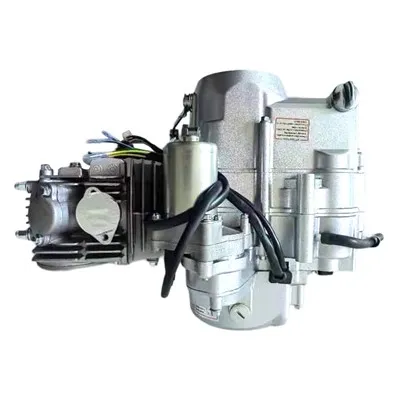
The surface finish of a 110 cylinder is a critical aspect that significantly impacts its performance, durability, and overall functionality. As a trusted supplier of 110 cylinders, I understand the importance of this feature and am eager to share in - depth knowledge about it.
Understanding Surface Finish
Surface finish refers to the texture of a surface, which is determined by the combination of roughness, waviness, and lay. In the context of a 110 cylinder, the surface finish is not just about aesthetics; it plays a vital role in the engine's operation. A well - finished cylinder surface can enhance the efficiency of the engine, reduce friction, and prevent premature wear and tear.
The roughness of the cylinder surface is measured in micrometers (μm). A lower roughness value indicates a smoother surface. For a 110 cylinder, an appropriate roughness level is crucial. If the surface is too rough, it can cause excessive friction between the piston rings and the cylinder wall. This friction leads to increased wear on both the piston rings and the cylinder, reducing the engine's lifespan and performance. On the other hand, a surface that is too smooth may not retain enough lubricant, which can also result in increased friction and potential overheating.
Waviness, another component of surface finish, refers to the more widely spaced deviations from a perfectly flat surface. Excessive waviness in a 110 cylinder can cause uneven pressure distribution between the piston and the cylinder wall. This uneven pressure can lead to poor sealing, resulting in loss of compression and reduced engine power.
The lay of the surface finish describes the direction of the predominant surface pattern. In a 110 cylinder, the lay is typically parallel to the axis of the cylinder. This direction helps in guiding the piston rings during their reciprocating motion, ensuring smooth operation and proper sealing.
Importance of Surface Finish in a 110 Cylinder
Engine Performance
A proper surface finish directly impacts the engine's performance. When the cylinder surface has the right roughness, it allows the piston rings to form an effective seal against the cylinder wall. This seal is essential for maintaining compression within the combustion chamber. Good compression is necessary for efficient fuel combustion, which in turn leads to better power output and fuel efficiency.
Durability
The durability of a 110 cylinder is closely related to its surface finish. A well - finished surface reduces the wear rate of the piston rings and the cylinder wall. By minimizing friction and wear, the engine can operate smoothly for a longer period without the need for frequent maintenance or replacement of parts. This is especially important for motorcycles that are used regularly or in demanding conditions.
Heat Dissipation
The surface finish also affects heat dissipation in the engine. A smooth and properly finished cylinder surface allows for better contact between the cylinder and the cooling system. This improved contact helps in transferring heat away from the combustion chamber more efficiently, preventing overheating and potential damage to the engine.
Manufacturing Processes for Achieving the Right Surface Finish
Honing
Honing is a widely used process for finishing the internal surface of a 110 cylinder. It involves using a honing tool with abrasive stones to remove small amounts of material from the cylinder wall. The honing process can be adjusted to achieve the desired roughness and lay. By carefully controlling the honing parameters such as pressure, speed, and the type of abrasive used, manufacturers can create a surface finish that meets the specific requirements of the 110 cylinder.
Lapping
Lapping is another process that can be used to improve the surface finish of a 110 cylinder. It is a precision finishing process that involves rubbing the cylinder surface against a lapping plate with an abrasive compound. Lapping can produce an extremely smooth surface with very low roughness, which is suitable for high - performance engines.
Grinding
Grinding is a common machining process that can be used to achieve a relatively smooth surface finish on the cylinder. However, it may not be as precise as honing or lapping in terms of controlling the roughness and lay. Grinding is often used as a preliminary step before honing or lapping to remove larger amounts of material and create a more uniform surface.
Our Offerings as a 110 Cylinder Supplier
As a leading supplier of 110 cylinders, we take great pride in the quality of our products. Our cylinders are manufactured using state - of - the - art technology and strict quality control measures to ensure the best surface finish. We understand that different applications may require different surface finishes, and we are able to customize our products accordingly.
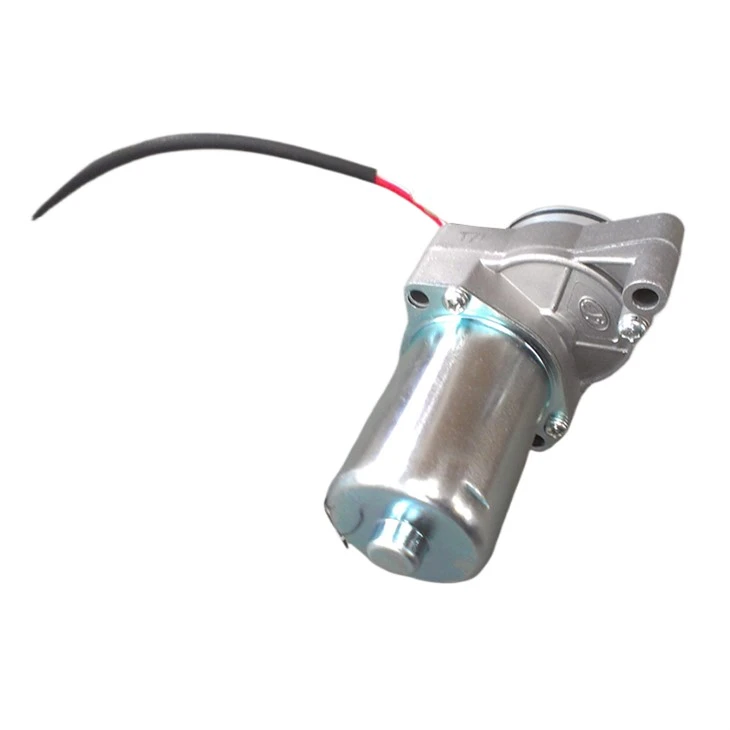
In addition to our high - quality 110 cylinders, we also offer a wide range of related motorcycle parts. For example, we have a Motorcycles Engine Overall Complete Gasket Set For 110cc 125cc 250cc that is designed to provide a perfect seal for the engine. Our Motorcycle Parts Start Shaft Assy is built to withstand the rigors of starting the engine, ensuring reliable performance. And our Motorcycle Parts Starter Motor 50cc 70cc 110cc 125cc is engineered for efficient and powerful starting.

Contact Us for Procurement
If you are in the market for high - quality 110 cylinders or related motorcycle parts, we invite you to contact us for procurement. Our team of experts is ready to assist you in finding the right products for your needs. Whether you are a motorcycle manufacturer, a repair shop, or an individual enthusiast, we can provide you with the best solutions at competitive prices.
References
- Smith, J. (2018). "Fundamentals of Engine Design". Mechanical Engineering Press.
- Johnson, R. (2019). "Motorcycle Engine Performance and Maintenance". Automotive Publishing Company.