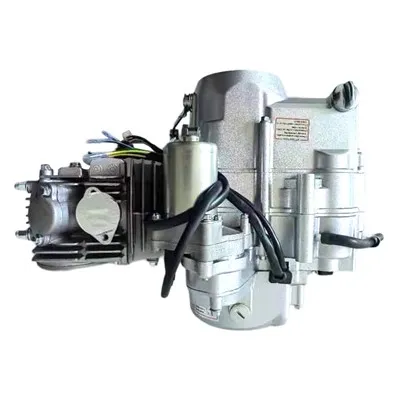
As a supplier of CG150 engines, I'm often asked about the ignition system of this popular engine model. The ignition system is a crucial component in any internal combustion engine, and the CG150 is no exception. In this blog post, I'll delve into the details of the CG150 engine's ignition system, explaining how it works, its components, and its importance.
How the Ignition System Works
The primary function of the ignition system in a CG150 engine is to create a high-voltage spark at the right time to ignite the air-fuel mixture in the combustion chamber. This process is essential for the engine to generate power and run smoothly.
The ignition process begins with the rotation of the engine's crankshaft. As the crankshaft turns, it drives a magneto or an alternator, depending on the specific design of the ignition system. The magneto or alternator generates an electrical current, which is then sent to the ignition coil.
The ignition coil is a transformer that steps up the low-voltage current from the magneto or alternator to a high-voltage current. This high-voltage current is necessary to create a strong spark at the spark plug. The ignition coil stores the electrical energy until the right moment, which is determined by the ignition timing.
The ignition timing is controlled by a set of mechanical or electronic components. In older CG150 engines, a mechanical ignition system with a points and condenser setup was commonly used. The points are a set of contacts that open and close as the engine rotates, interrupting the electrical current in the ignition coil. This interruption causes the coil to release the stored energy as a high-voltage spark. The condenser helps to reduce arcing across the points and improve the efficiency of the ignition system.
In modern CG150 engines, electronic ignition systems are more prevalent. These systems use sensors to detect the position of the crankshaft and camshaft, and an electronic control unit (ECU) to determine the optimal ignition timing. The ECU sends a signal to the ignition coil at the right time to create the spark. Electronic ignition systems offer several advantages over mechanical systems, including more precise ignition timing, better fuel efficiency, and improved reliability.
Once the high-voltage current reaches the spark plug, it jumps across the gap between the electrodes, creating a spark. This spark ignites the air-fuel mixture in the combustion chamber, causing it to burn rapidly and produce power. The expanding gases from the combustion process push the piston down, which in turn rotates the crankshaft and drives the engine.
Components of the Ignition System
The ignition system of a CG150 engine consists of several key components, each playing a vital role in the ignition process.
- Magneto or Alternator: As mentioned earlier, the magneto or alternator is responsible for generating the electrical current that powers the ignition system. The magneto is a self-contained unit that uses a rotating magnet to induce an electrical current in a coil. Alternators, on the other hand, are more commonly used in modern engines and are driven by the engine's crankshaft. They convert mechanical energy into electrical energy using a rotor and stator.
- Ignition Coil: The ignition coil is a crucial component that steps up the low-voltage current to a high-voltage current. It consists of a primary winding and a secondary winding. The primary winding receives the low-voltage current from the magneto or alternator, and the secondary winding produces the high-voltage current that is sent to the spark plug.
- Spark Plug: The spark plug is the component that creates the spark to ignite the air-fuel mixture. It consists of a center electrode and a ground electrode, separated by a small gap. The high-voltage current from the ignition coil jumps across this gap, creating a spark. Spark plugs come in different types and heat ranges, and it's important to choose the right one for your CG150 engine to ensure proper ignition.
- Ignition Timing Control: Whether it's a mechanical or electronic system, the ignition timing control is responsible for determining the optimal time to create the spark. In mechanical systems, the points and condenser setup control the ignition timing, while in electronic systems, the ECU uses sensors and algorithms to calculate the right timing.
- Wiring and Connectors: The wiring and connectors in the ignition system carry the electrical current from one component to another. It's important to ensure that the wiring is in good condition and that the connectors are clean and tight to prevent electrical losses and malfunctions.
Importance of the Ignition System
The ignition system is essential for the proper operation of the CG150 engine. A well-functioning ignition system ensures that the air-fuel mixture is ignited at the right time and with the right intensity, which is crucial for several reasons.


- Power and Performance: A strong and timely spark is necessary to burn the air-fuel mixture completely, resulting in maximum power output from the engine. If the ignition system is not working properly, the engine may experience misfires, reduced power, and poor acceleration.
- Fuel Efficiency: Proper ignition timing helps to optimize the combustion process, ensuring that the fuel is burned efficiently. This leads to better fuel economy and lower emissions. A faulty ignition system can cause incomplete combustion, resulting in wasted fuel and increased pollution.
- Reliability: A reliable ignition system is essential for the overall reliability of the engine. If the ignition system fails, the engine will not start or will run poorly. Regular maintenance and inspection of the ignition system components can help to prevent breakdowns and ensure the long-term reliability of the engine.
Related Engine Products
If you're interested in other engine models related to the CG150, we also offer a range of high-quality engines. Check out our ATV Dirt Bike Motorcycle 4 Stroke 250cc Cg250 Air-cooled Engine for Yx Lf and Cb150 Cb200 Cb250 Motorcycle Engine with Balance Shaft. For those looking for a tricycle engine, our Cg125 Cg150 Tricycle Engine Air Cool for Three Wheels is a great option.
Contact for Purchase and Negotiation
If you're in the market for a CG150 engine or any of our other engine products, we invite you to contact us for a purchase and negotiation. Our team of experts is ready to assist you in finding the right engine for your needs and providing you with the best possible service.
References
- Motorcycle Engine Technology Handbook
- Internal Combustion Engine Fundamentals