

The ignition system of a 300cc engine is a crucial component that ensures the engine runs smoothly and efficiently. As a 300cc engine supplier, I have in - depth knowledge of this system and its significance in the overall performance of the engine.
The Basics of an Ignition System
An ignition system's primary function is to create a high - voltage spark at the right time to ignite the air - fuel mixture in the engine's combustion chamber. In a 300cc engine, this process is vital for generating power and maintaining the engine's operation.
There are two main types of ignition systems commonly used in 300cc engines: the traditional contact - breaker ignition system and the more modern electronic ignition system.
The contact - breaker ignition system, also known as the points - type ignition system, was widely used in older engines. It consists of a set of contact points, a condenser, a distributor, a coil, and spark plugs. The contact points open and close to interrupt the low - voltage current flowing through the primary winding of the ignition coil. When the points open, the magnetic field in the coil collapses, inducing a high - voltage current in the secondary winding. This high - voltage current is then distributed to the appropriate spark plug via the distributor.
However, the contact - breaker ignition system has several limitations. The contact points are subject to wear and tear, which can lead to inconsistent spark timing and reduced engine performance over time. They also require regular maintenance, such as point adjustment and replacement.
On the other hand, the electronic ignition system has become the standard in modern 300cc engines. It uses electronic components, such as transistors and sensors, to control the ignition timing. The electronic ignition system offers several advantages over the contact - breaker system. It provides a more consistent and reliable spark, which leads to better fuel combustion, improved power output, and reduced emissions. Additionally, it requires less maintenance since there are no mechanical contact points to wear out.
Components of an Electronic Ignition System in a 300cc Engine
- Crankshaft Position Sensor: This sensor is responsible for detecting the position and speed of the crankshaft. It sends this information to the ignition control module, which uses it to determine the correct ignition timing. The crankshaft position sensor is usually a magnetic or Hall - effect sensor.
- Ignition Control Module (ICM): The ICM is the brain of the electronic ignition system. It receives signals from the crankshaft position sensor and other sensors, such as the camshaft position sensor and the throttle position sensor. Based on these signals, the ICM calculates the optimal ignition timing and controls the firing of the ignition coil.
- Ignition Coil: The ignition coil is a transformer that steps up the low - voltage battery voltage to the high - voltage required to create a spark at the spark plugs. In a 300cc engine, the ignition coil is typically a compact and efficient design.
- Spark Plugs: Spark plugs are the final component in the ignition system. They receive the high - voltage current from the ignition coil and create a spark across the electrode gap. The spark ignites the air - fuel mixture in the combustion chamber, starting the power stroke of the engine. The design and heat range of the spark plugs are crucial for proper engine operation. A spark plug with the wrong heat range can cause misfires, poor fuel economy, and engine damage.
Importance of a Well - Functioning Ignition System
A properly functioning ignition system is essential for the performance and reliability of a 300cc engine. Here are some key reasons:

- Power Output: A strong and timely spark ensures complete combustion of the air - fuel mixture, which maximizes the power output of the engine. If the ignition timing is off or the spark is weak, the engine may experience a loss of power, making it sluggish and less responsive.
- Fuel Efficiency: Efficient combustion also leads to better fuel economy. When the air - fuel mixture is burned completely, less fuel is wasted, and the engine can run more efficiently. A malfunctioning ignition system can cause incomplete combustion, resulting in increased fuel consumption.
- Emissions: A well - tuned ignition system helps to reduce harmful emissions. Complete combustion produces fewer pollutants, such as carbon monoxide (CO), hydrocarbons (HC), and nitrogen oxides (NOx). This is not only beneficial for the environment but also ensures that the engine meets emission standards.
- Engine Longevity: Consistent and reliable ignition reduces stress on engine components. Misfires and inconsistent combustion can cause excessive heat and pressure in the combustion chamber, which can lead to premature wear and damage to the pistons, valves, and other engine parts.
Our 300cc Engines and Ignition Systems
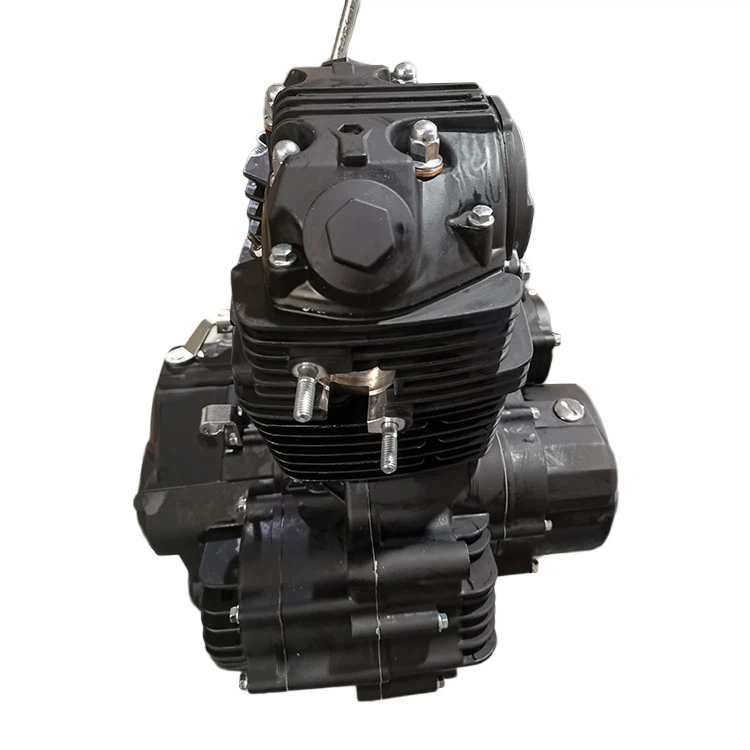
As a 300cc engine supplier, we take great pride in the quality of our ignition systems. Our engines are equipped with state - of - the - art electronic ignition systems that are designed to provide optimal performance, reliability, and fuel efficiency. We use high - quality components and advanced manufacturing techniques to ensure that our ignition systems meet the highest standards.
In addition to our 300cc engines, we also offer a wide range of other engines and engine parts. For example, we have the 200cc Cg200 Tricycle Engine and Engine Parts, which is a popular choice for tricycle applications. Our Cb150 Cb200 Cb250 Motorcycle Engine with Balance Shaft provides smooth and efficient operation for motorcycles. And our Cg150 Cg200 Cg250 Motorcycle Engine Tricycle Engine with Balance Shaft is suitable for both motorcycles and tricycles.
Contact Us for Your Engine Needs
If you are in the market for a high - quality 300cc engine or any of our other engine products, we invite you to contact us for procurement and further discussions. Our team of experts is ready to assist you in finding the right engine solution for your specific requirements. Whether you are a motorcycle manufacturer, a tricycle builder, or an individual looking for a reliable engine, we have the products and expertise to meet your needs.
References
- Heywood, J. B. (1988). Internal Combustion Engine Fundamentals. McGraw - Hill.
- Taylor, C. F. (1985). The Internal Combustion Engine in Theory and Practice. MIT Press.
- Bosch Automotive Handbook. (2007). Robert Bosch GmbH.


