

As a supplier of 140 ATV engines, I often get asked about the compression ratio of these engines. The compression ratio is a crucial parameter that significantly impacts the engine's performance, fuel efficiency, and power output. In this blog post, I'll delve into what the compression ratio of a 140 ATV engine is, why it matters, and how it affects the overall operation of the engine.
Understanding Compression Ratio
Before we discuss the specific compression ratio of a 140 ATV engine, let's first understand what compression ratio means. The compression ratio is defined as the ratio of the volume of the combustion chamber when the piston is at the bottom of its stroke (bottom dead center, BDC) to the volume of the combustion chamber when the piston is at the top of its stroke (top dead center, TDC). Mathematically, it can be expressed as:
Compression Ratio = (Volume at BDC) / (Volume at TDC)
For example, if the volume of the combustion chamber at BDC is 500 cc and the volume at TDC is 50 cc, the compression ratio would be 500/50 = 10:1.
Compression Ratio of a 140 ATV Engine
The compression ratio of a 140 ATV engine typically ranges from 9:1 to 11:1. However, this can vary depending on several factors, including the engine design, intended use, and manufacturer specifications. Engines with a higher compression ratio tend to produce more power and torque, as they can compress the air-fuel mixture more effectively, leading to a more powerful explosion in the combustion chamber. On the other hand, engines with a lower compression ratio are generally more fuel-efficient and less prone to knocking, which is an abnormal combustion phenomenon that can damage the engine.
Importance of Compression Ratio
The compression ratio plays a vital role in determining the performance and efficiency of a 140 ATV engine. Here are some key reasons why it matters:
Power Output
A higher compression ratio allows the engine to extract more energy from the air-fuel mixture, resulting in increased power and torque. This is particularly important for ATVs, as they often need to navigate through rough terrain and carry heavy loads. By increasing the compression ratio, the engine can generate more power, enabling the ATV to accelerate faster and climb steep hills more easily.
Fuel Efficiency
Engines with a higher compression ratio can burn the air-fuel mixture more efficiently, which means they can get more mileage out of a gallon of fuel. This is beneficial for both the environment and the user's wallet, as it reduces fuel consumption and emissions. However, it's important to note that a very high compression ratio can also increase the risk of knocking, which can reduce fuel efficiency and damage the engine.
Combustion Stability
The compression ratio affects the combustion stability of the engine. A higher compression ratio can promote more complete combustion of the air-fuel mixture, reducing the formation of harmful pollutants such as carbon monoxide and hydrocarbons. Additionally, it can improve the engine's throttle response and overall drivability.
Factors Affecting Compression Ratio
Several factors can influence the compression ratio of a 140 ATV engine. Here are some of the most important ones:
Piston Design
The shape and size of the piston can have a significant impact on the compression ratio. Pistons with a domed or flat top can increase the compression ratio, while pistons with a dished top can decrease it.
Cylinder Head Design
The design of the cylinder head, including the shape of the combustion chamber and the size of the valves, can also affect the compression ratio. Cylinder heads with a smaller combustion chamber volume can increase the compression ratio, while those with a larger volume can decrease it.
Engine Tuning
Engine tuning, such as adjusting the ignition timing and fuel injection system, can also influence the compression ratio. By optimizing these parameters, it's possible to achieve a higher compression ratio without causing knocking or other engine problems.
Compression Ratio and Engine Performance
To understand how the compression ratio affects engine performance, let's take a closer look at a real-world example. Suppose we have two 140 ATV engines with different compression ratios: one with a compression ratio of 9:1 and the other with a compression ratio of 11:1.
The engine with a compression ratio of 11:1 is likely to produce more power and torque than the engine with a compression ratio of 9:1. This is because the higher compression ratio allows the engine to compress the air-fuel mixture more effectively, resulting in a more powerful explosion in the combustion chamber. As a result, the ATV equipped with the 11:1 compression ratio engine will be able to accelerate faster, climb hills more easily, and tow heavier loads.
However, the engine with a compression ratio of 11:1 may also be more prone to knocking, especially if it's run on low-octane fuel or under high load conditions. To prevent knocking, the engine may require a higher-octane fuel or more advanced engine tuning.
On the other hand, the engine with a compression ratio of 9:1 is likely to be more fuel-efficient and less prone to knocking. This is because the lower compression ratio allows the engine to burn the air-fuel mixture more gently, reducing the risk of knocking and improving fuel efficiency. However, the ATV equipped with the 9:1 compression ratio engine may not be as powerful as the ATV equipped with the 11:1 compression ratio engine.
Choosing the Right Compression Ratio
When choosing a 140 ATV engine, it's important to consider your specific needs and preferences. If you're looking for maximum power and performance, a higher compression ratio engine may be the best choice. However, if you're more concerned about fuel efficiency and reliability, a lower compression ratio engine may be a better option.
It's also important to note that the compression ratio is just one of many factors that affect engine performance. Other factors, such as the engine's displacement, bore and stroke, and fuel injection system, also play a crucial role in determining the engine's power, torque, and fuel efficiency.
Related Products
As a supplier of 140 ATV engines, we also offer a range of other high-quality engines for motorcycles and dirt bikes. Here are some of our popular products:

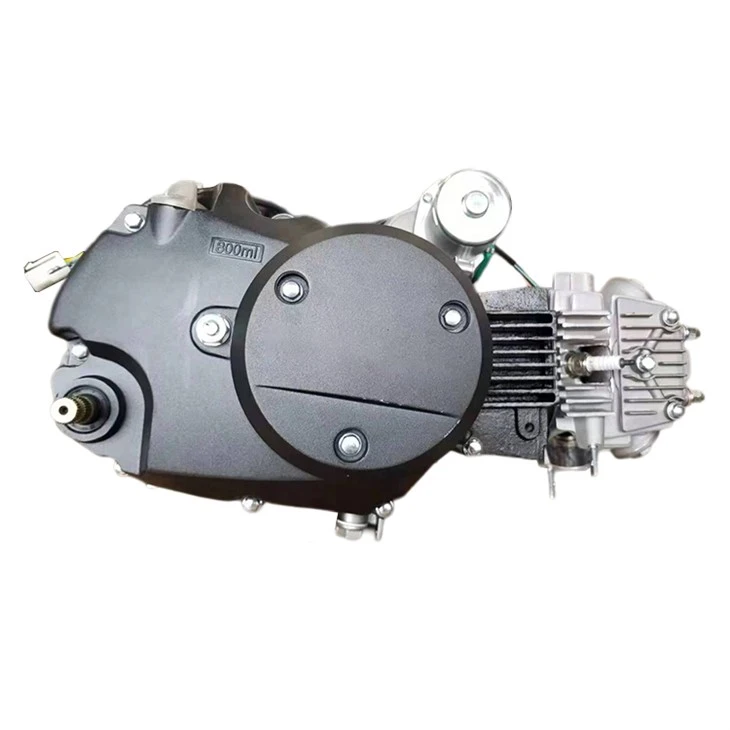
- 110cc 120cc 125cc Double Clutch Motorcycle Engine for Jh110
- 140CC Horizontal Engine Oil Cooled Motorblok Engine For Yinxiang
- 125CC 140CC Kick Electric Start Semi-auto Engine For YX Pit Dirt Bike
These engines are designed to provide reliable performance and excellent fuel efficiency, making them ideal for a variety of applications. Whether you're a professional racer or a casual rider, we have the engine that's right for you.
Conclusion
In conclusion, the compression ratio of a 140 ATV engine is an important parameter that significantly impacts the engine's performance, fuel efficiency, and power output. By understanding what the compression ratio is, how it affects engine performance, and the factors that influence it, you can make an informed decision when choosing a 140 ATV engine.
If you're interested in learning more about our 140 ATV engines or any of our other products, please don't hesitate to contact us. We're here to help you find the perfect engine for your needs and provide you with the support and service you deserve. Let's start a conversation and explore how we can meet your engine requirements.
References
- Heywood, J. B. (1988). Internal Combustion Engine Fundamentals. McGraw-Hill.
- Taylor, C. F. (1966). The Internal Combustion Engine in Theory and Practice. MIT Press.


