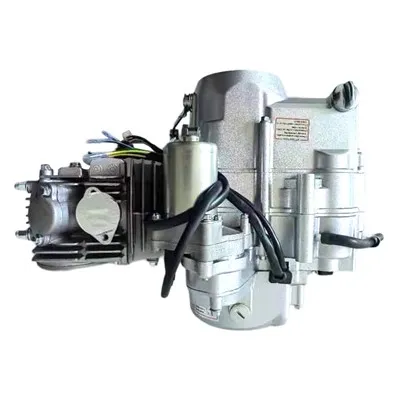
Working on a motorcycle engine is a task that demands meticulous attention to safety. As a motorcycle engine supplier, I've witnessed firsthand the importance of adhering to strict safety protocols. Whether you're a professional mechanic or an enthusiastic DIYer, these precautions can prevent accidents and ensure a successful engine - working experience.
Personal Protective Equipment (PPE)
First and foremost, personal protective equipment is non - negotiable. When you're dealing with a motorcycle engine, your body needs to be shielded from potential hazards. Safety glasses are essential. They protect your eyes from flying debris, such as small metal shavings that can be generated when you're disassembling or assembling engine parts. A single particle in your eye can cause serious injury and even permanent damage.
Gloves are another crucial piece of PPE. Choose gloves that are cut - resistant and heat - resistant. Cut - resistant gloves protect your hands from sharp edges on engine components, while heat - resistant gloves come in handy when you're working on a recently - run engine. The engine can retain a significant amount of heat, and touching hot parts without proper protection can result in severe burns.
Ear protection is often overlooked but is vital. Motorcycle engines can be extremely noisy, especially when they're running or when you're using power tools to work on them. Prolonged exposure to high - decibel noise can lead to hearing loss. Earplugs or earmuffs can effectively reduce the noise level and safeguard your hearing.
Workspace Preparation
A well - prepared workspace is the foundation of safe engine work. Start by cleaning the area thoroughly. Remove any clutter, oil spills, or debris. A clean workspace reduces the risk of tripping and slipping, which are common accidents in a mechanic's shop.
Ensure that your workspace is well - ventilated. Motorcycle engines use gasoline, and when you're working on them, there's a risk of gasoline vapors being released. These vapors are not only flammable but also toxic. Adequate ventilation helps to disperse the vapors and keeps the air in the workspace fresh. You can use exhaust fans or open windows to achieve proper ventilation.
Organize your tools properly. Keep them in a toolbox or on a tool rack. This not only makes it easier to find the tools you need but also prevents them from being misplaced or lost. A disorganized workspace can lead to confusion and increase the risk of accidents.
Engine Disassembly and Assembly
Before you start disassembling the engine, make sure it's completely cooled down. A hot engine can cause burns, and it can also damage engine parts if you try to disassemble them while they're still hot. Let the engine sit for at least an hour after it's been running to ensure it's cool enough to work on.
When disassembling the engine, label all the parts carefully. Use masking tape and a marker to write down the part name and its original location. This will make the reassembly process much easier and prevent you from putting the parts in the wrong places.
Take your time when removing and installing bolts. Use the correct size of socket or wrench to avoid stripping the bolts. Stripped bolts can be difficult to remove and can cause damage to the engine block. If you encounter a stubborn bolt, don't force it. Instead, use a penetrating oil to loosen it.
Electrical Safety
Motorcycle engines have electrical systems that can be dangerous if not handled properly. Before you start working on the electrical components, disconnect the battery. This prevents the risk of electric shock and short - circuits. Make sure to remove the negative terminal first and then the positive terminal.
When working on wiring, be careful not to damage the insulation. Damaged insulation can expose the wires and increase the risk of short - circuits. If you need to cut or splice wires, use the appropriate tools and follow the correct procedures.
Fuel System Safety
The fuel system of a motorcycle engine is highly flammable. When working on the fuel system, such as the fuel tank, fuel lines, or carburetor, make sure there are no open flames or sparks in the vicinity. Even a small spark can ignite the gasoline vapors and cause an explosion.
Before you start working on the fuel system, drain the fuel from the tank and lines. This reduces the risk of fuel spills and fires. Use a suitable container to collect the drained fuel and store it in a safe place.
Handling Fluids
Motorcycle engines use various fluids, such as engine oil, coolant, and brake fluid. These fluids can be harmful if they come into contact with your skin or eyes. When handling these fluids, wear gloves and safety glasses.
Dispose of used fluids properly. Don't pour them down the drain or throw them in the trash. Used engine oil, for example, can contaminate the environment if not disposed of correctly. You can take the used fluids to a recycling center or a designated disposal facility.
Tool Safety
Use tools only for their intended purpose. Don't use a screwdriver as a pry bar or a wrench as a hammer. Using tools incorrectly can damage the tools and increase the risk of accidents.
Inspect your tools regularly for damage. Cracked handles, worn - out tips, or loose parts can make the tools unsafe to use. Replace any damaged tools immediately.
When using power tools, follow the manufacturer's instructions carefully. Make sure you're familiar with the tool's operation before you start using it. Power tools can be very powerful and can cause serious injuries if not used correctly.
Reassembly and Testing
After you've finished assembling the engine, double - check all the connections and fasteners. Make sure everything is tightened to the correct torque specification. Incorrectly tightened bolts can cause parts to come loose during operation, which can lead to engine failure or accidents.
Before you start the engine, fill it with the appropriate fluids, such as engine oil and coolant. Check the fuel system for leaks. A fuel leak can be extremely dangerous, as it can lead to a fire.


When starting the engine for the first time after reassembly, do it in a well - ventilated area. Listen for any unusual noises or vibrations. Unusual noises can indicate that something is wrong with the engine, such as a loose part or incorrect assembly.
Our Motorcycle Engine Products
As a motorcycle engine supplier, we offer a wide range of high - quality engines. Our 140cc Engine Assembly for Lifan 140 Air - cooled for Off - road Motorcycle is perfect for off - road enthusiasts. It provides reliable power and performance.
For those who prefer pit bikes, our 130cc 140cc 150cc Monkey Pit Bike Horizontal Engine is a great choice. These engines are designed to offer smooth operation and excellent acceleration.
If you're looking for a more powerful option, our CB250cc Single Cylinder 4 Stroke Eletric Start Dirt Bike Engine is the answer. It's suitable for dirt bikes and can handle tough terrains with ease.
Conclusion
Working on a motorcycle engine can be a rewarding experience, but it comes with significant risks. By following these safety precautions, you can minimize the risks and ensure a safe and successful engine - working process. If you're interested in our motorcycle engines or have any questions, feel free to contact us for procurement and further discussions.
References
- Motorcycle Repair Manuals
- Safety Guidelines from Motorcycle Manufacturers
- Occupational Safety and Health Administration (OSHA) Standards