Hey there, fellow motorcycle enthusiasts! I'm stoked to share with you all the ins and outs of installing a motorcycle fairing. As a supplier of top - notch motorcycle parts, I've seen it all when it comes to getting bikes looking and performing their best. So, let's dive right in!
Why Install a Motorcycle Fairing?
First off, you might be wondering why you'd even want to install a fairing on your motorcycle. Well, there are a bunch of reasons. For starters, a fairing can significantly improve your bike's aerodynamics. When you're cruising down the highway at high speeds, those wind resistance forces can really slow you down and make your ride less efficient. A well - designed fairing cuts through the air like a hot knife through butter, reducing drag and helping you save on fuel.
It also offers protection. Not only does it shield you from the wind, rain, and debris, but it can also protect your bike's engine and other vital components from damage. And let's not forget about the aesthetics. A cool fairing can totally transform the look of your motorcycle, giving it a sleek, aggressive, or classic appearance, depending on the style you choose.
Tools You'll Need
Before you start the installation process, you'll need to gather a few tools. Here's a basic list:
- Socket and wrench set: You'll use these to remove and install bolts. Make sure you have a variety of sizes, as different fairings and motorcycles may require different bolt sizes.
- Screwdrivers: Both flat - head and Phillips - head screwdrivers will come in handy for removing and installing screws.
- Pliers: These are useful for holding small parts in place and bending wires if needed.
- Torque wrench: This is important to ensure that you tighten the bolts to the correct torque specification. Over - tightening can damage the fairing or the mounting points, while under - tightening can cause the fairing to rattle or come loose.
Pre - installation Checks
Once you've got your tools ready, it's time to do some pre - installation checks. First, make sure you have the right fairing for your motorcycle. Different models and makes of motorcycles have different fairing designs and mounting points. You don't want to end up with a fairing that doesn't fit your bike properly.
Inspect the fairing for any damage. Look for cracks, scratches, or other defects. If you find any issues, contact your supplier (like us, the motorcycle parts supplier!) right away. We'll work with you to get a replacement or resolve the problem.
Also, take a good look at your motorcycle's mounting points. Make sure they're clean and free of rust or debris. If there are any damaged mounting points, you may need to repair or replace them before installing the fairing.
Step - by - Step Installation Process
1. Remove the Old Fairing (if applicable)
If your motorcycle already has a fairing, you'll need to remove it first. Start by removing any screws or bolts that are holding the fairing in place. This may involve removing side panels, windshields, or other parts. Keep track of all the bolts and screws, and organize them in a container so you don't lose them.
Once all the fasteners are removed, gently pull the old fairing away from the motorcycle. Be careful not to damage any wires or hoses that may be connected to it.
2. Prepare the New Fairing
Before you install the new fairing, you may need to do some preparation. Some fairings come pre - drilled with holes for mounting, but others may require you to drill your own holes. If you need to drill holes, make sure you measure and mark the locations accurately. You can use a template provided by the fairing manufacturer or a piece of cardboard to help you with the measurements.
Also, check if the fairing has any decals or graphics that need to be applied. If so, follow the manufacturer's instructions for applying them. It's usually best to apply the decals before installing the fairing on the motorcycle.
3. Mount the Fairing Brackets
Most fairings come with brackets that are used to attach the fairing to the motorcycle. Start by mounting the brackets to the motorcycle. Use the appropriate bolts and washers, and tighten them to the correct torque specification using a torque wrench. Make sure the brackets are aligned correctly and are securely attached to the motorcycle.
4. Attach the Fairing to the Brackets
Once the brackets are in place, it's time to attach the fairing to them. Carefully lift the fairing and align it with the brackets. Slide the fairing onto the brackets and insert the bolts or screws through the holes in the fairing and the brackets. Tighten the fasteners, but don't over - tighten them at this stage. You may need to make some adjustments to ensure that the fairing is properly aligned.
5. Connect Wires and Hoses (if applicable)
Some fairings may have wires or hoses that need to be connected. For example, if your fairing has a built - in headlight or turn signals, you'll need to connect the electrical wires. Make sure you follow the wiring diagram provided by the fairing manufacturer to ensure that the connections are correct.
If there are hoses, such as those for a windshield washer system, connect them securely and check for any leaks.
6. Final Adjustments and Checks
After attaching the fairing and connecting the wires and hoses, take a step back and look at your motorcycle. Check the alignment of the fairing. It should be straight and evenly spaced on both sides of the motorcycle. If it's not, make the necessary adjustments by loosening the fasteners and re - positioning the fairing.
Once you're satisfied with the alignment, tighten all the bolts and screws to the correct torque specification using a torque wrench. Check all the connections again to make sure they're secure.
Troubleshooting
Sometimes, things don't go as smoothly as planned. Here are some common issues you may encounter during the installation process and how to fix them:
- Fairing doesn't fit properly: If the fairing doesn't line up with the mounting points or is too tight or too loose, double - check the measurements and the alignment of the brackets. You may need to adjust the brackets or file down the mounting holes slightly to make the fairing fit.
- Bolts won't tighten: If a bolt won't tighten properly, it could be because the hole is stripped or the bolt is the wrong size. Try using a different bolt or repairing the stripped hole.
- Electrical problems: If the lights or other electrical components in the fairing don't work, check the connections. Make sure the wires are properly connected and that there are no loose or frayed wires. You may also need to check the fuses.
Where to Find Quality Motorcycle Parts
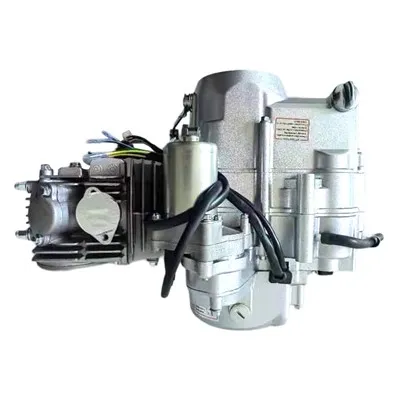
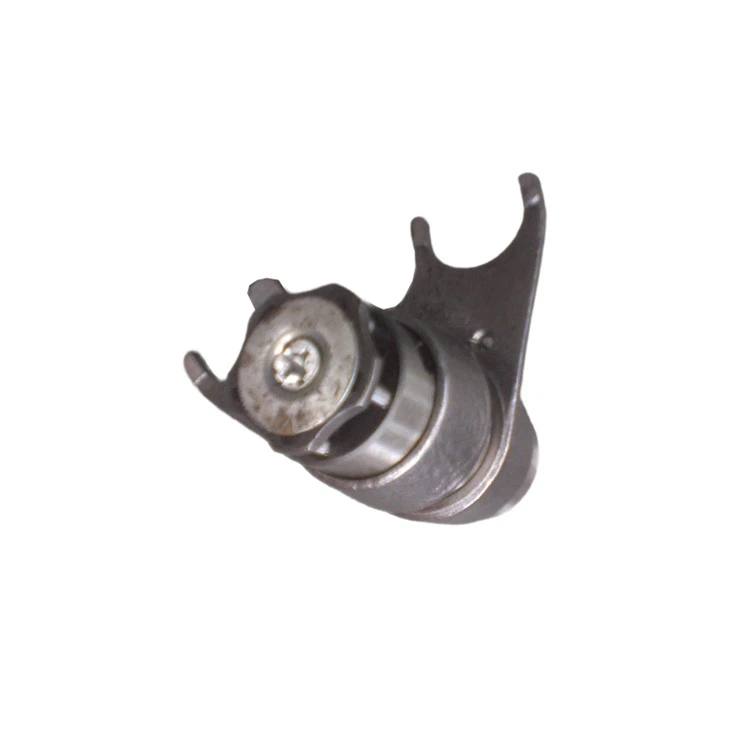
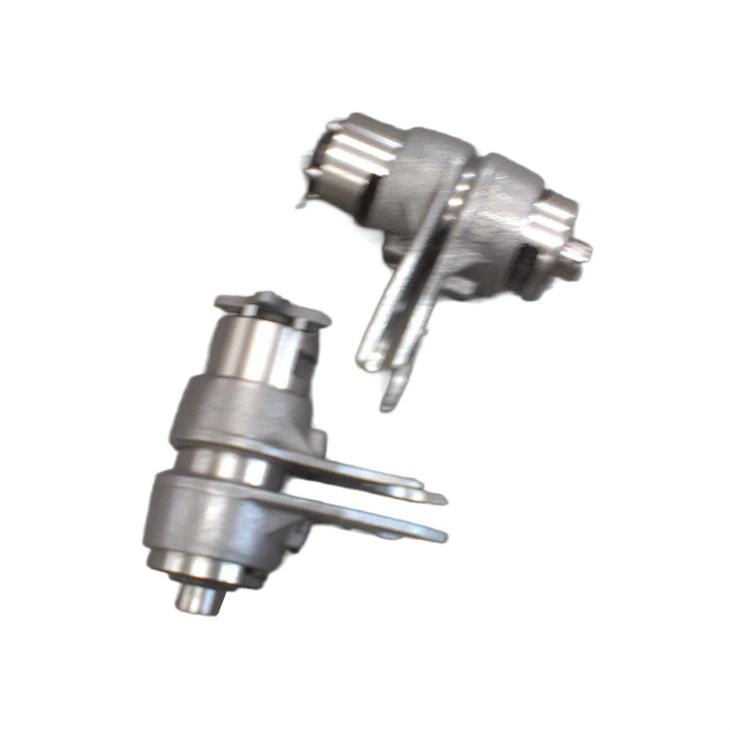
As a motorcycle parts supplier, I can tell you that finding high - quality parts is crucial for a successful fairing installation. We offer a wide range of motorcycle parts, including 50cc 70cc 90cc 110cc Clutch 18 Teeth For Atv Motorcycle, Motorcycle Engine Gearshift Drum Assy For AT110 C100, and Motorcycle Crankshaft With Connecting Rod For CD70 110CC CG125 CG250. Our parts are made from top - quality materials and are designed to fit your motorcycle perfectly.
If you're in the market for motorcycle parts, whether it's a fairing, clutch, gearshift drum, or crankshaft, don't hesitate to reach out. We're here to help you find the right parts for your motorcycle and answer any questions you may have.
Conclusion
Installing a motorcycle fairing can be a rewarding project that enhances the performance, protection, and appearance of your motorcycle. With the right tools, a little patience, and some basic knowledge, you can do it yourself. Remember to follow the manufacturer's instructions, use the correct torque when tightening bolts, and check your work along the way.
If you have any questions or need help with your motorcycle parts purchase, feel free to contact us. We're always happy to assist you in finding the perfect parts for your bike and ensuring a smooth installation process.
References
- Motorcycle fairing installation guides from various manufacturers.
- Personal experience as a motorcycle parts supplier.