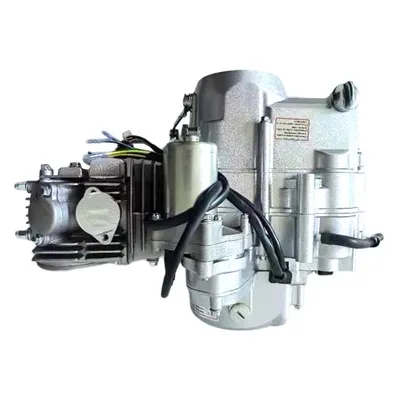
Hey there! As a supplier of tricycle engines, I've been getting a lot of questions about how the carburetor works in a tricycle engine. So, I thought I'd take a moment to break it down for you in a way that's easy to understand.
First things first, let's talk about what a carburetor is. In simple terms, a carburetor is a device that mixes air and fuel in the right proportions for an internal combustion engine to run efficiently. In a tricycle engine, the carburetor plays a crucial role in ensuring that the engine gets the right amount of fuel and air to generate power.
Now, let's dive into how the carburetor actually works. The process starts when you turn the key and start the engine. As the engine cranks, a vacuum is created in the intake manifold. This vacuum draws air into the carburetor through the air filter. The air then passes through a narrow passage called the venturi.
The venturi is a key part of the carburetor. It's designed to increase the speed of the air as it passes through. According to Bernoulli's principle, as the speed of the air increases, its pressure decreases. This drop in pressure creates a suction effect that draws fuel from the float chamber into the venturi.
The float chamber is a reservoir that holds the fuel. It's equipped with a float and a needle valve. The float rises and falls with the level of fuel in the chamber. When the fuel level drops, the float goes down, opening the needle valve. This allows more fuel to enter the chamber from the fuel tank. When the fuel level rises, the float goes up, closing the needle valve and stopping the flow of fuel.
Once the fuel is drawn into the venturi, it mixes with the air to form a combustible mixture. The ratio of air to fuel is crucial for the engine to run properly. Most engines require a ratio of about 14.7 parts air to 1 part fuel, which is known as the stoichiometric ratio. The carburetor is designed to maintain this ratio as closely as possible.
The mixture of air and fuel then travels through the intake manifold and into the combustion chamber. In the combustion chamber, the spark plug ignites the mixture, causing it to explode. This explosion forces the piston down, turning the crankshaft and generating power.
Now, let's talk about some of the factors that can affect the performance of the carburetor. One of the most important factors is the altitude. At higher altitudes, the air is thinner, which means there's less oxygen available for combustion. To compensate for this, the carburetor needs to adjust the air-fuel ratio. Some carburetors are equipped with a device called an altitude compensator, which automatically adjusts the ratio based on the altitude.
Another factor that can affect the carburetor is the temperature. In cold weather, the fuel is thicker and harder to vaporize. To ensure that the engine starts easily, the carburetor needs to provide a richer mixture of fuel and air. This is usually done by using a choke. The choke restricts the flow of air into the carburetor, increasing the amount of fuel in the mixture.
As a tricycle engine supplier, we offer a wide range of engines that are equipped with high-quality carburetors. For example, we have the ATV Dirt Bike Motorcycle 4 Stroke 250cc Cg250 Air-cooled Engine for Yx Lf, which is a powerful and reliable engine that's perfect for tricycles. We also have the Cg150 Cg200 Cg250 Motorcycle Engine Tricycle Engine with Balance Shaft, which offers smooth and efficient performance. And if you're looking for a 200cc engine, we have the 200cc Cg200 Tricycle Engine and Engine Parts.
If you're in the market for a tricycle engine or have any questions about how the carburetor works, don't hesitate to reach out. We're here to help you find the right engine for your needs and provide you with all the information you need to keep it running smoothly. Whether you're a hobbyist or a professional, we have the expertise and the products to meet your requirements.
In conclusion, the carburetor is a vital component of a tricycle engine. It plays a crucial role in mixing the right amount of air and fuel to ensure that the engine runs efficiently. By understanding how the carburetor works, you can better maintain your engine and troubleshoot any problems that may arise.
So, if you're interested in learning more about our tricycle engines or have any questions, feel free to contact us. We're always happy to have a chat and discuss your specific needs. Let's work together to get your tricycle up and running with the perfect engine!


References
- Automotive Technology: A Systems Approach, 6th Edition by James D. Halderman
- How Car Engines Work by HowStuffWorks