Hey there! As a supplier of 110 motors, I often get asked whether a 110 motor can be controlled by a variable frequency drive (VFD). It's a pretty common question, and I'm gonna break it down for you in this blog post.
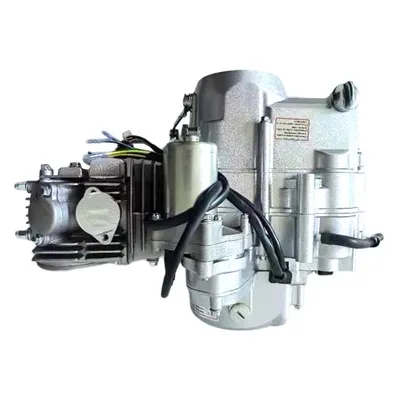
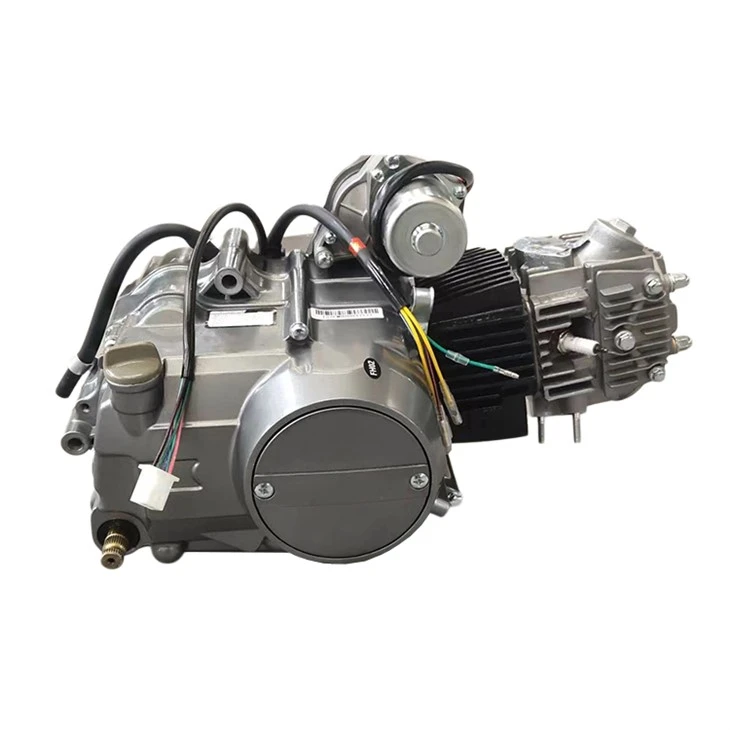
First off, let's talk about what a 110 motor is. A 110 motor typically refers to an engine with a displacement of around 110 cubic centimeters (cc). These motors are used in a variety of applications, like small motorcycles, go - karts, and some light off - road vehicles. For example, we offer a 110cc 4 Stroke Automatic Off - Road Wave Motorcycle Engine Assembly With Electric Start and a 110cc Go Kart Automatic Complete Engine. They're known for their compact size, relatively low power output, and affordability.
Now, what's a variable frequency drive? A VFD is a type of motor controller that adjusts the speed and torque of an electric motor by varying the frequency and voltage supplied to it. It's a really useful tool in many industrial and commercial settings because it allows for precise control of motor speed, which can lead to energy savings, better performance, and longer motor life.
So, can a 110 motor be controlled by a VFD? Well, it depends on the type of 110 motor. There are mainly two types of motors: electric motors and combustion engines.
Electric 110 Motors and VFDs
If we're talking about an electric 110 motor, the answer is usually yes. Electric motors are well - suited for VFD control. When you use a VFD with an electric motor, you can change the frequency of the electrical power going to the motor. Since the speed of an AC electric motor is directly related to the frequency of the power supply, by adjusting the frequency, you can easily control the motor's speed.
For example, if you have an electric 110 motor powering a small conveyor belt in a workshop, using a VFD allows you to slow down or speed up the belt as needed. This is super handy if you're dealing with different types of products that require different processing speeds.
However, there are a few things to keep in mind when using a VFD with an electric 110 motor. First, you need to make sure that the VFD is compatible with the motor. This means checking the voltage, current, and power ratings of both the motor and the VFD. If the VFD is too small for the motor, it might overheat and fail. On the other hand, if it's too large, it could be more expensive than necessary and might not provide the most efficient control.

Also, you need to consider the motor's insulation. VFDs can generate high - frequency harmonics, which can cause additional stress on the motor's insulation. So, it's a good idea to use a motor that's designed to handle these harmonics or to install additional filtering equipment to protect the motor.
Combustion 110 Engines and VFDs
When it comes to combustion engines (like the ones in our 110cc 4 Stroke Automatic Off - Road Wave Motorcycle Engine Assembly With Electric Start), the answer is no. A VFD is designed to control electric motors, and combustion engines work on a completely different principle. Combustion engines convert the energy from burning fuel (like gasoline) into mechanical energy through a series of controlled explosions in the engine cylinders.
The speed of a combustion engine is controlled by adjusting the amount of fuel and air mixture that enters the engine. This is usually done through a throttle valve. You can't use a VFD to control the speed of a combustion engine because there's no electrical frequency to vary.
But that doesn't mean you can't have some level of control over a combustion 110 engine. There are other ways to manage its speed and performance. For example, you can use a governor. A governor is a mechanical or electronic device that regulates the engine speed by adjusting the fuel supply. It's commonly used in applications where a relatively constant speed is required, like in generators or some small vehicles.
Benefits of Using VFDs with Electric 110 Motors
If you have an electric 110 motor and you're considering using a VFD, there are several benefits. One of the biggest advantages is energy savings. By controlling the motor speed according to the actual load requirements, you can avoid running the motor at full speed all the time. This can lead to significant energy savings, especially in applications where the motor operates for long periods.
Another benefit is improved process control. In many industrial processes, precise control of motor speed is crucial. For example, in a mixing process, you might need to adjust the speed of the mixer depending on the viscosity of the material being mixed. A VFD allows you to make these adjustments easily, resulting in better product quality.
VFDs also help to reduce wear and tear on the motor. When you start a motor without a VFD, it can experience a high inrush current, which can cause stress on the motor windings and other components. A VFD provides a soft - start function, which gradually ramps up the motor speed, reducing the inrush current and extending the motor's lifespan.
Conclusion
In conclusion, whether a 110 motor can be controlled by a VFD depends on the type of motor. Electric 110 motors can usually be controlled by a VFD, offering benefits like energy savings, improved process control, and reduced wear and tear. On the other hand, combustion 110 engines cannot be controlled by a VFD because they operate on a different principle.
If you're in the market for a 110 motor or have questions about motor control, feel free to reach out. We're here to help you find the right solution for your specific needs. Whether you're looking for an electric 110 motor for a small industrial application or a combustion 110 engine for a go - kart or motorcycle, we've got you covered. So, don't hesitate to contact us for more information and to start a procurement discussion.
References
- "Electric Motor Handbook" - A comprehensive guide on electric motors and their control.
- "Combustion Engine Principles" - A textbook that explains the working principles of combustion engines.